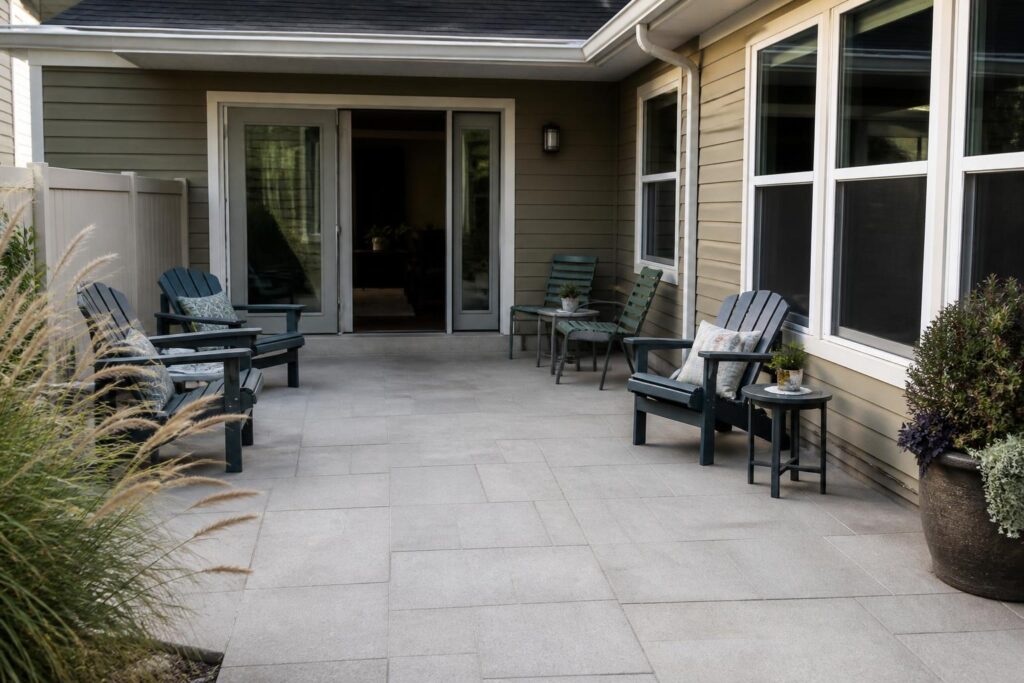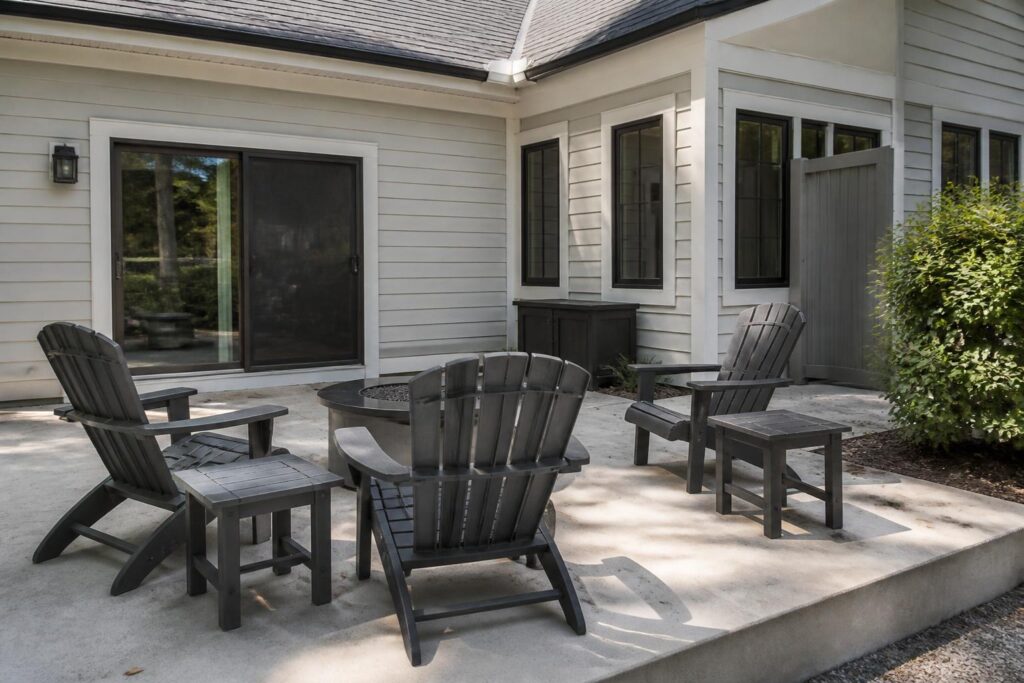

Sunlight is the single biggest factor that ages outdoor furniture. UV rays break down finishes, bleach fabrics, dry out wood, and warp cheaper plastics. If you want to protect outdoor furniture from sun damage, the good news is that most of the work happens once – through smart placement, thoughtful material choices, and a few habits that take minutes each month. This guide walks through shade strategies, timing, color decisions, and cleaning routines that keep a patio looking sharp for years. You’ll come away with a practical plan you can adapt to your yard, your climate, and the furniture you already own.
How Sunlight Actually Damages Outdoor Furniture
Before you can protect outdoor furniture from sun exposure, it helps to understand what the sun is actually doing. Ultraviolet radiation carries enough energy to break chemical bonds in polymers, dyes, and wood lignin. Over months and years, those broken bonds show up as three distinct problems: fading, chalking, and structural weakening.
Fading is the most visible. Pigments in fabric, paint, and plastic absorb UV and gradually lose their color. Reds and purples fade fastest because their molecular structures are more vulnerable; blacks, whites, and earth tones hold up longer. Chalking is a powdery residue that appears on painted metal and low-grade plastics as the surface layer degrades and flakes off at a microscopic level. Structural weakening is the sneakiest – a chair may look fine but grow brittle inside, then crack when someone sits down two summers later.
Heat compounds the problem. Surface temperatures on dark furniture in direct sun can climb 40 to 60 degrees above the air temperature. According to the EPA’s SunWise guidance, UV intensity peaks between 10 a.m. and 4 p.m., which is exactly when most patios take their worst beating. Add rain cycles, pollen, and temperature swings, and you have a recipe for premature aging on anything left uncovered.
The takeaway: sun damage isn’t one thing, it’s a stack of overlapping stresses. Your defense should stack too – shade, materials, color, and maintenance working together.
Shade Options That Actually Work
Shade is your first line of defense. Not all shade is equal, though, and the right choice depends on your space, your budget, and how much sun your patio gets.
Umbrellas
A market umbrella is the quickest fix. Look for a canopy at least 9 feet across for a four-seat table, or 11 feet for a six-seat setup. The pole should sit 6 to 8 inches above head clearance when you’re standing at the table. Solution-dyed acrylic canopies resist fading far better than polyester and typically last 5 to 8 years. Cantilever umbrellas swing the shade wherever the sun moves, which is useful on patios where a center pole would block traffic.
Pergolas and Sail Shades
A pergola with slatted top blocks 40 to 60 percent of direct sun depending on slat spacing. Add a retractable canopy on top and you can dial in coverage by the hour. Shade sails are the budget-friendly cousin – triangular fabric panels stretched between anchor points. They block 90 to 95 percent of UV when made from HDPE knit fabric, and they cost a fraction of a pergola.
Natural Shade
Trees are the long game. A well-placed deciduous tree cools a patio in summer and lets warmth through in winter. Position furniture on the north or east side of a mature tree canopy for the deepest shade during peak UV hours. If you’re planting new trees for future shade, fast growers like red maple, tulip poplar, or river birch can throw useful shade in 6 to 8 years.
Timing and Placement Around the Patio
Where and when you use furniture matters as much as what covers it. Spend one weekend tracking your patio’s sun exposure. Take a photo every hour from 9 a.m. to 6 p.m. and you’ll have a map of which zones get baked and which stay comfortable. Most patios have a “sweet spot” that only sees direct sun for 2 to 3 hours a day – that’s where your primary seating group belongs.
Orientation matters too. West-facing patios take the worst afternoon punishment because late-day sun combines with peak air temperatures. North-facing patios stay coolest but may feel dim in spring and fall. East-facing spaces are ideal for morning coffee and go into shade by lunch. South-facing patios get consistent sun all day, which is great in cooler months and brutal in July.
If you can’t move the patio, move the furniture. Lightweight chairs and end tables can migrate seasonally – pulled closer to the house in summer, pushed toward the yard’s edge in fall. Even a 6-foot shift can move a chair from full sun into eave shade for the hottest three hours of the day. Readers dealing with extreme heat may find our guides on outdoor furniture for Arizona heat and patio furniture for Texas heat useful for climate-specific placement strategies.
Finally, think about reflected UV. Light-colored concrete, pool water, and white walls bounce a surprising amount of ultraviolet back onto nearby furniture. If your patio has any of these, add 20 to 30 percent to your mental UV estimate and lean harder on shade.
Choosing Colors and Materials That Resist Fading
Color choice is one of the easiest ways to protect outdoor furniture from sun without changing anything else about your setup. Lighter shades – beige, sand, driftwood gray, soft white – reflect more UV and heat, and they show fading less dramatically when it does happen. Deep saturated colors like navy, forest, and burgundy look striking on day one but will visibly shift within 3 to 5 seasons in high-sun regions.
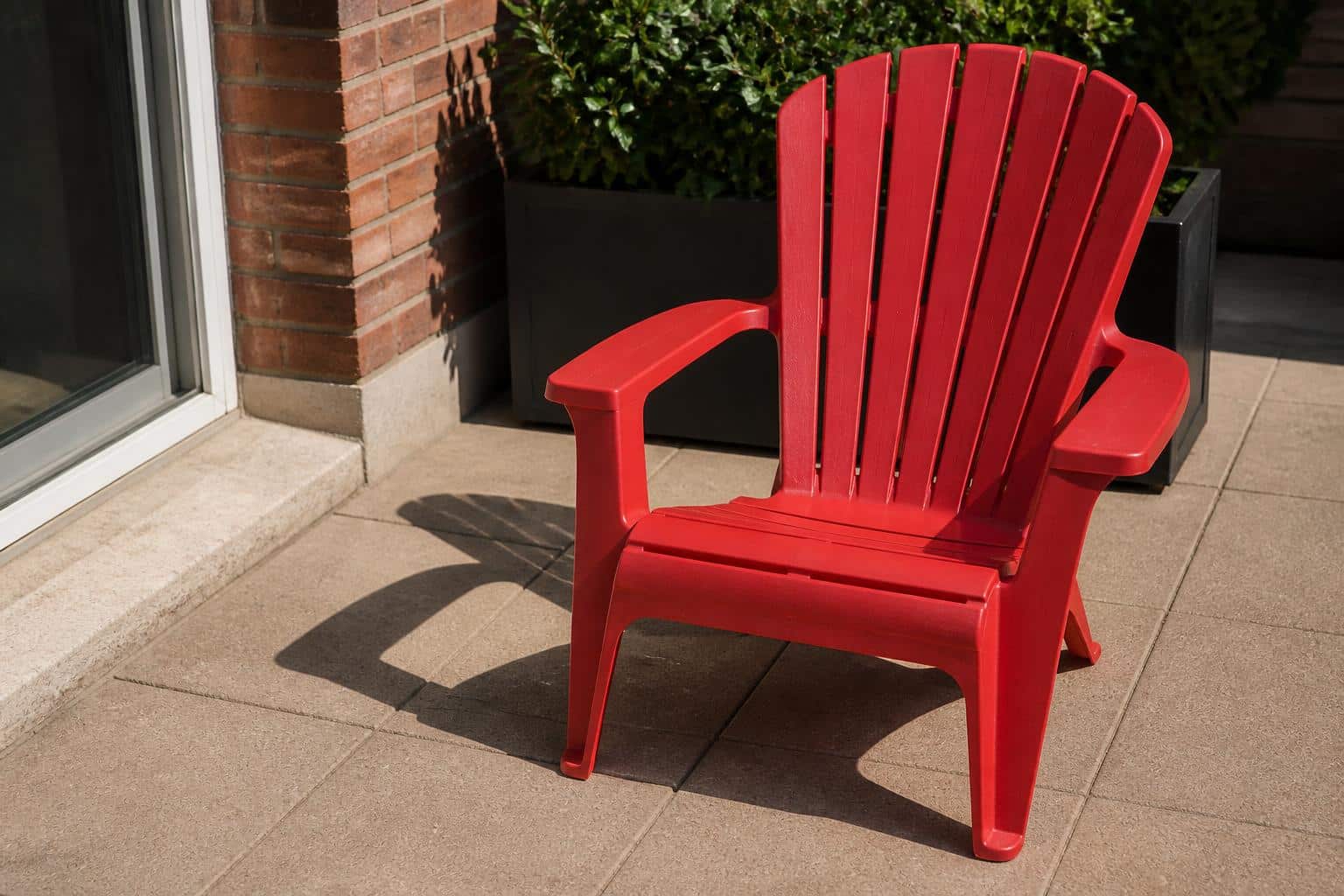
If you love bold color, put it where it’s protected. A pair of red chairs under a pergola will hold their tone far longer than the same chairs in open sun. Reserve fade-prone hues for accent pieces you can replace – throw pillows, seat cushions, planters – and keep the large investment pieces in colors that age gracefully.

Material matters even more than color. When shopping for outdoor furniture built to handle sun, look for:
- UV-stabilized poly and HDPE – color runs all the way through the material rather than sitting on the surface, so scratches don’t reveal a different color underneath, and fading happens uniformly instead of in blotches.
- Solution-dyed fabrics – dye is added to the fiber before it’s spun, not applied to finished cloth. These fabrics can outlast printed alternatives by 3 to 4 times in direct sun.
- Powder-coated aluminum for metal frames – it resists chalking better than liquid paint and won’t rust.
- Hardwoods with natural oils like teak or ipe – they weather to silver rather than cracking, though they need occasional oiling if you want to preserve the original tone.
Ask about warranty terms too. A structural warranty tells you what the maker expects the frame to survive, and a separate fade warranty is a signal that the manufacturer trusts their color technology. Numbers like a 7-year structural warranty paired with a 5-year fade warranty are a reasonable benchmark for well-made outdoor furniture.
Covers, Cleaning, and Seasonal Habits
Even shaded, well-chosen furniture benefits from a light maintenance routine. The goal isn’t to baby the furniture – it’s to reset it before dirt, pollen, and UV byproducts build into permanent damage.
Wash exposed pieces every 4 to 6 weeks during heavy-use season. A bucket of warm water with a tablespoon of mild dish soap, a soft brush, and a garden hose is all you need. Skip pressure washers on plastic and painted surfaces – they can drive water into seams and strip protective layers. For chalking or stubborn residue on poly furniture, a solution of one part white vinegar to three parts water usually lifts it without damaging the finish.
Covers help most when furniture will sit unused for weeks. Choose breathable covers with vents; sealed vinyl traps humidity and grows mildew. If you cover pieces during summer storms, pull the covers off within a day or two – condensation under a cover in 90-degree heat can do more harm than a rain shower would.
For seasonal storage, wipe everything down, let it dry fully, and store in a garage or shed if you have space. Plastic and metal furniture can stay outdoors year-round in most climates without harm, but wood, fabric cushions, and umbrellas last significantly longer when they winter indoors. Store cushions in breathable bags or bins with a few silica packets to control moisture.
One overlooked habit: rotate. Just like a mattress, outdoor chairs age more evenly when you swap positions once or twice a summer. The chair that always faces west will fade faster than its neighbors unless you shuffle them.
Building a Long-Term Plan for Your Patio
The most durable patios combine several tactics rather than relying on one. A realistic plan for most homes looks like this: pick UV-resistant furniture in colors that flatter your space and hide wear, park it in the shadiest usable zone, add an umbrella or sail for the hours when even the shade shifts, and spend 20 minutes a month on cleaning. Do that, and you can expect 8 to 12 years of good-looking service from quality outdoor pieces, versus 3 to 5 from furniture that gets no protection.
Budget accordingly. Spend the most on the pieces you’ll use daily – dining chairs, lounge seating, a table that anchors the space. Save on accent pieces you don’t mind refreshing every few years. And factor shade infrastructure into the furniture budget itself. A $400 umbrella that extends the life of $2,000 worth of chairs by five years is one of the better returns you’ll find in outdoor living.
Finally, buy with the future in mind. Modular pieces you can rearrange, neutral colors that mix with new additions, and materials that can be cleaned rather than refinished will save money and hassle over the long haul.
Frequently Asked Questions
Does spraying UV protectant on furniture actually help?
Aerosol UV protectants can add a modest layer of defense to fabrics, vinyl, and some plastics, but they wear off within 4 to 8 weeks and need reapplication. They’re most useful on older furniture whose original UV stabilizers have started to break down. On new, UV-stabilized poly or solution-dyed fabric, they add little. If you use them, apply on a dry, clean surface out of direct sun and let them cure for several hours.
Is it worth moving furniture indoors during peak summer?
For most furniture built for outdoor use, no – it’s designed to live outside. Move cushions and umbrellas indoors when a heat wave or storm system rolls in, but hard furniture generally benefits more from consistent shade than from being hauled in and out. The exceptions are natural wood pieces and any fabric-heavy items, which last considerably longer when they’re spared the worst weeks of direct sun.
What color furniture fades the slowest?
In real-world use, neutral mid-tones fade the slowest visually. Sand, driftwood gray, taupe, and soft white don’t show gradual color shift the way saturated hues do. Pure black holds its tone well chemically but gets very hot in sun, which stresses the material in other ways. If you want long-term color stability with reasonable heat behavior, light to medium neutrals in UV-stabilized materials are the safest choice.
How can I tell if furniture is UV-stabilized before I buy?
Check the product description for specific language about UV inhibitors, UV stabilizers, or solution-dyed color. Look at the warranty – a manufacturer offering a separate fade warranty is confident their material handles UV. Ask whether color runs through the material or sits on the surface. And read reviews from buyers in high-sun regions; if a product holds up in the Southwest or Florida, it’ll hold up almost anywhere.
At Plastic Furniture To Go, every piece is American made and ships free to your door, factory-direct, so you can build a sun-ready patio without the markup of traditional retail. Browse the current lineup on the shop page to see colors and configurations, and reach out through the contact page if you’d like a second opinion on what suits your space. A little planning now saves years of replacement costs later – and it makes summer afternoons on the patio a lot more pleasant.