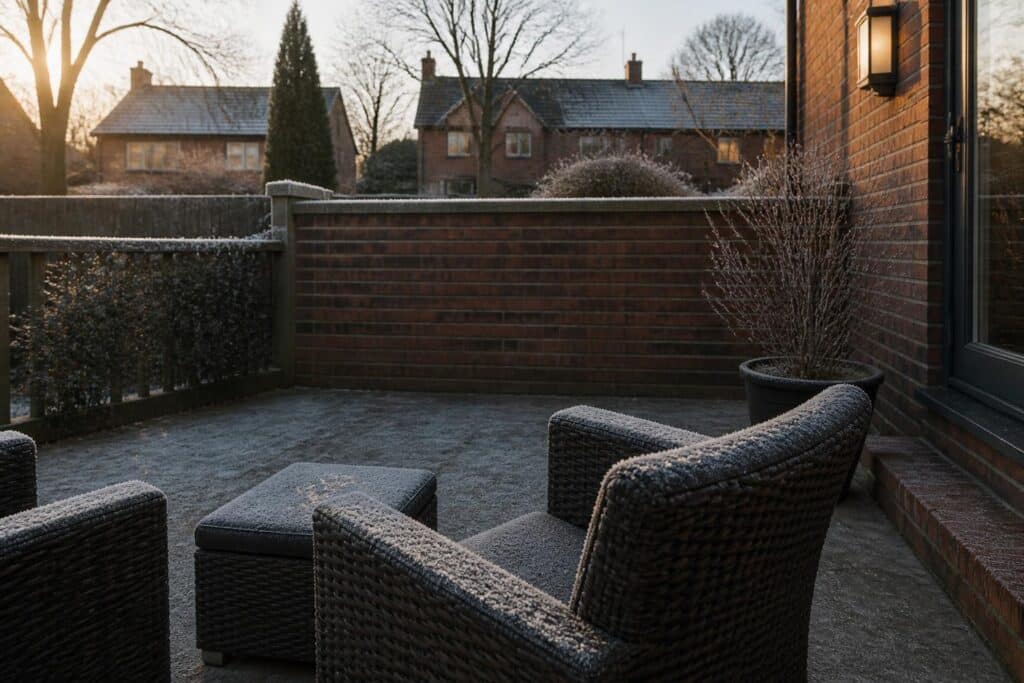

Knowing how to clean plastic outdoor furniture the right way helps chairs stay clean and presentable while reducing the risk of chalking, staining, and surface dullness. The good news: modern outdoor plastics are generally easy to care for, and the cleaning routine is simple once you know which products help and which can damage the surface. This guide walks through a full seasonal wash, quick spot cleaning for pollen and spills, how to handle mildew and sunscreen stains, and the products you should keep far away from your patio set.
What Your Plastic Outdoor Furniture Is Actually Made Of
Before you reach for a cleaner, identify the material and any surface finish on the particular furniture. Listings may describe HDPE, poly lumber, Marine Grade Polymer, or other resin products, and their cleaning instructions can differ. Start with the manufacturer’s care guide rather than assuming that color-through construction makes every cleaner safe.
Manufacturing method and recycled content do not by themselves establish safe cleaning methods. Check the instructions for the finished product and any coating, then test an approved cleaner in an inconspicuous area. Do not transfer a solvent or pressure-washing recommendation from another material without checking compatibility.
The practical takeaway: you’re cleaning a non-porous surface that resists water, doesn’t rot, and doesn’t need sealing. Dirt sits on top of the plastic rather than soaking into it. That’s why gentle cleaners almost always work — you’re lifting grime off a surface, not scrubbing it out of grain or pores. It also means that aggressive scouring or strong solvents don’t help you clean faster; they only risk hazing the finish or attacking the UV stabilizers built into the material.

The Basic Wash: Soap, Water, and a Soft Brush
For routine cleaning — the kind you’ll do two or three times a season — you don’t need specialty products. A bucket of warm water with a few drops of mild dish soap handles most routine patio grime, including pollen, dust, bird droppings, dried leaves, spilled drinks, and food splatter. Aim for about one tablespoon of dish soap per gallon of warm water. Any more and you’ll spend the rinse cycle chasing suds.
Use a soft-bristle brush, a microfiber cloth, or a non-abrasive sponge. Nylon-bristle car-wash brushes work well because they’re stiff enough to loosen grit but soft enough not to scuff. Start at the top of each piece and work down, so dirty runoff always flows onto surfaces you haven’t cleaned yet. Pay attention to the crevices between slats, the underside of armrests, and the spot where seat and backrest meet — those areas collect a surprising amount of debris.
Rinse thoroughly with a garden hose on a normal spray setting. Skip the pressure washer if you can. High-pressure water can force grit into any tiny surface imperfections and, on lighter-weight resin pieces, can even loosen hardware. If you must use one, keep it under 1,500 PSI, use a wide fan tip, and stay at least two feet from the surface. Let everything air-dry in the sun, or towel-dry if you’re putting pieces back into service right away. The whole routine takes maybe 20 minutes for a full patio set.
Tackling Mildew, Mold, and Shaded-Corner Grime
If your furniture lives under a tree, near a fence, or in a humid climate, you’ll eventually see dark speckles or greenish film — usually mildew or algae feeding on organic debris that settled on the surface. Plastic itself isn’t food for mold, but pollen, sap, and dust are, and once they colonize the surface they can look alarming.
A diluted white vinegar solution works well for light cases: one cup of vinegar to one gallon of water. Spray it on, let it sit for about 10 minutes, then scrub with a soft brush and rinse. For heavier mildew, mix one part household bleach to ten parts water, apply with a sponge to affected areas only, and rinse thoroughly after five minutes. Wear gloves, protect nearby plants with a tarp or a good pre-rinse, and never mix bleach with vinegar, ammonia, or any other cleaner — the fumes are dangerous.
Sunscreen, Grease, and Oily Stains
Sunscreen is the sneaky one. The same chemicals that block UV rays on your skin can leave a stubborn residue on plastic armrests. Catch it early: warm soapy water and a scrub usually lifts fresh sunscreen. For set-in stains, a paste of baking soda and water applied with a soft cloth, worked in gentle circles, and rinsed clean does the job without abrasion damage.
Tree Sap and Sticky Residue
For sap, don’t scrape. Soften it first with a warm, wet cloth held against the spot for a minute, then wipe away. If that fails, a small amount of isopropyl alcohol (70%) on a cloth — dabbed, not soaked — will dissolve most sap. Rinse the area with plain water afterward so no alcohol lingers on the surface.

What Never to Use on Plastic Outdoor Furniture
The products that damage plastic furniture are usually the ones people reach for when they’re frustrated with a stubborn stain. Learning what to avoid is honestly more important than learning what to use, because most damage from cleaning is permanent — you can strip a UV finish or haze a surface in about 30 seconds with the wrong product.
- Abrasive scouring powders like Comet or Ajax. They scratch the surface, and once micro-scratches appear, dirt embeds in them faster.
- Steel wool, wire brushes, or Magic Eraser-style melamine sponges. All three abrade the finish. Magic Erasers in particular are extremely fine sandpaper — great on painted walls, harmful on outdoor plastic.
- Acetone, paint thinner, mineral spirits, gasoline. These can dissolve or cloud certain plastics on contact.
- Undiluted bleach. Full-strength bleach can degrade UV additives over time and dull the color.
- Oven cleaner, drain cleaner, or any lye-based product. Far too caustic for outdoor plastic.
- Automotive tire cleaners or degreasers. Formulated for rubber, not polyethylene.
Stick to mild dish soap, diluted vinegar, diluted bleach for spot mildew treatment, baking soda paste, and occasionally isopropyl alcohol for sticky residue. That short list handles almost every real-world cleaning problem. If you’re curious about the environmental side of plastic care and recycling, the EPA’s recycling resources are a solid starting point for understanding how different plastics behave over their lifespan.
Seasonal Care and Long-Term Protection
A predictable rhythm keeps plastic outdoor furniture looking new for years. Here’s a routine that works for most climates:
- Spring deep clean. A full soap-and-water wash to remove winter grime, pollen, and any mildew that took hold during damp months. Budget about 30–45 minutes for a six-piece set.
- Midsummer quick rinse. A hose-down every three to four weeks keeps pollen and dust from building into a film. Two minutes per chair.
- Post-storm check. After heavy rain or wind, wipe down any debris and check for standing water in seat contours.
- Fall wash and store or cover. Clean thoroughly, dry completely, then either store indoors or use breathable furniture covers if you leave pieces out through winter.
Quality plastic outdoor furniture is engineered to handle outdoor temperature swings, but extreme cold can make plastic more brittle. Follow the manufacturer’s temperature and storage guidance, and avoid dragging or dropping pieces during freezing conditions. In snowy climates, brush accumulated snow off rather than letting it pile up and freeze into ice on the surface.
If you’re shopping for new pieces and want lower-maintenance materials, look for solid-through-color construction (color throughout, not painted on), UV-stabilized formulations, and a manufacturer that stands behind the product with a clear structural warranty. Our Plastic Furniture To Go pieces, for example, are backed by a 7-year structural warranty and a 5-year fade warranty — a useful benchmark to compare against whatever else you’re considering. Browse the full lineup on our shop page or take a closer look at the Hampton Adirondack Chair if you want to see how the construction details translate into easier cleaning down the road.
Frequently Asked Questions
Can I use a pressure washer on plastic outdoor furniture?
You can, but you don’t need to, and it’s easy to cause damage. If you do pressure wash, keep the setting under 1,500 PSI, use a 40-degree fan tip, and stay at least two feet from the surface. A garden hose on a normal spray setting combined with a soft brush cleans just as well and eliminates the risk of forcing water into joints, loosening hardware, or hazing the finish on lighter-weight pieces.
How do I remove yellowing from white plastic furniture?
Mild yellowing on white plastic often comes from oxidation and surface film rather than deep discoloration. Try a baking soda paste worked in with a soft cloth, then rinse. For more stubborn cases, a diluted bleach solution (one part bleach to ten parts water) applied for five minutes can help. If yellowing is uniform across the whole piece and doesn’t respond, it’s usually UV degradation in the material itself, which cleaning can’t reverse.
How often should I clean outdoor plastic furniture?
A full soap-and-water wash two or three times per season handles most needs — typically spring, midsummer, and fall. In between, a quick hose rinse every few weeks knocks off pollen and dust before they cake. Homes near trees, farms, or dusty environments may need more frequent light rinses. Spot-clean spills and bird droppings within a day or two so they don’t dry into stubborn stains.
Is bleach safe on colored plastic furniture?
Diluted bleach at roughly one part bleach to ten parts water is generally safe for spot mildew treatment on colored plastic, but always test an inconspicuous area first and limit contact time to five minutes before rinsing. Never use undiluted bleach, and never let bleach sit for extended periods — repeated heavy exposure can dull colors and degrade the UV protection engineered into the material.
Keeping plastic outdoor furniture looking sharp really does come down to a soft brush, a mild soap, and consistent timing — no specialty products, no expensive kits. When you’re ready to add pieces built to shrug off weather and clean up in minutes, take a look at what’s available from Plastic Furniture To Go. Everything is American made, ships free anywhere in the country factory-direct, and comes in colors that hold up to the wash routine above for years. If you have questions about a specific piece or cleaning situation, drop us a note through the contact page and we’ll help you sort it out.