
Weighing the backless outdoor stools pros and cons before you commit to a set is one of those small decisions that quietly shapes how your patio bar or kitchen island actually gets used. A backless seat looks clean and disappears under a counter, but it also asks something of the person sitting on it. In the next few minutes you’ll get a straightforward look at where these stools shine, where they fall short, who they suit, and how to measure your space so the stools you order fit the way you live outdoors.
What Makes Backless Outdoor Stools Different
A backless stool is exactly what the name suggests: a seat and legs, nothing rising above hip level. That single design choice changes almost everything about how the stool behaves in a real outdoor setting. Without a backrest, the visual footprint shrinks dramatically. From across the yard, the counter or bar reads as a clean line rather than a row of chair silhouettes, which is why designers reach for backless seating when they want the architecture, the view, or a fire feature to stay in focus.
The functional difference is just as significant. A backless stool tucks fully under a standard counter or bar overhang, so you can walk past a loaded bar without weaving around chair backs. That matters on narrow patios, around pool decks with tight walkways, and on covered porches where circulation space is limited. It also matters for storage: when weather turns, backless stools stack or line up flush against a wall in a fraction of the space a set of chairs would occupy.
The tradeoff is posture support. A backless stool assumes the sitter can hold their own core for the length of the sit. For a 20-minute breakfast or a round of drinks, most adults handle that without a second thought. For a three-hour dinner party, some guests will start to shift and reach for something to lean against. Neither of those outcomes is right or wrong; they just point to different use cases.
The Real Advantages of Going Backless
Start with the space savings, because they’re the most measurable benefit. A typical outdoor chair with a back occupies roughly 22 to 26 inches of depth from the front of the seat to the rear of the backrest. A backless stool is usually 15 to 18 inches deep, front to back. On a 10-foot bar, that difference means you can tuck four stools completely out of the traffic path instead of leaving them sticking out into a walkway.
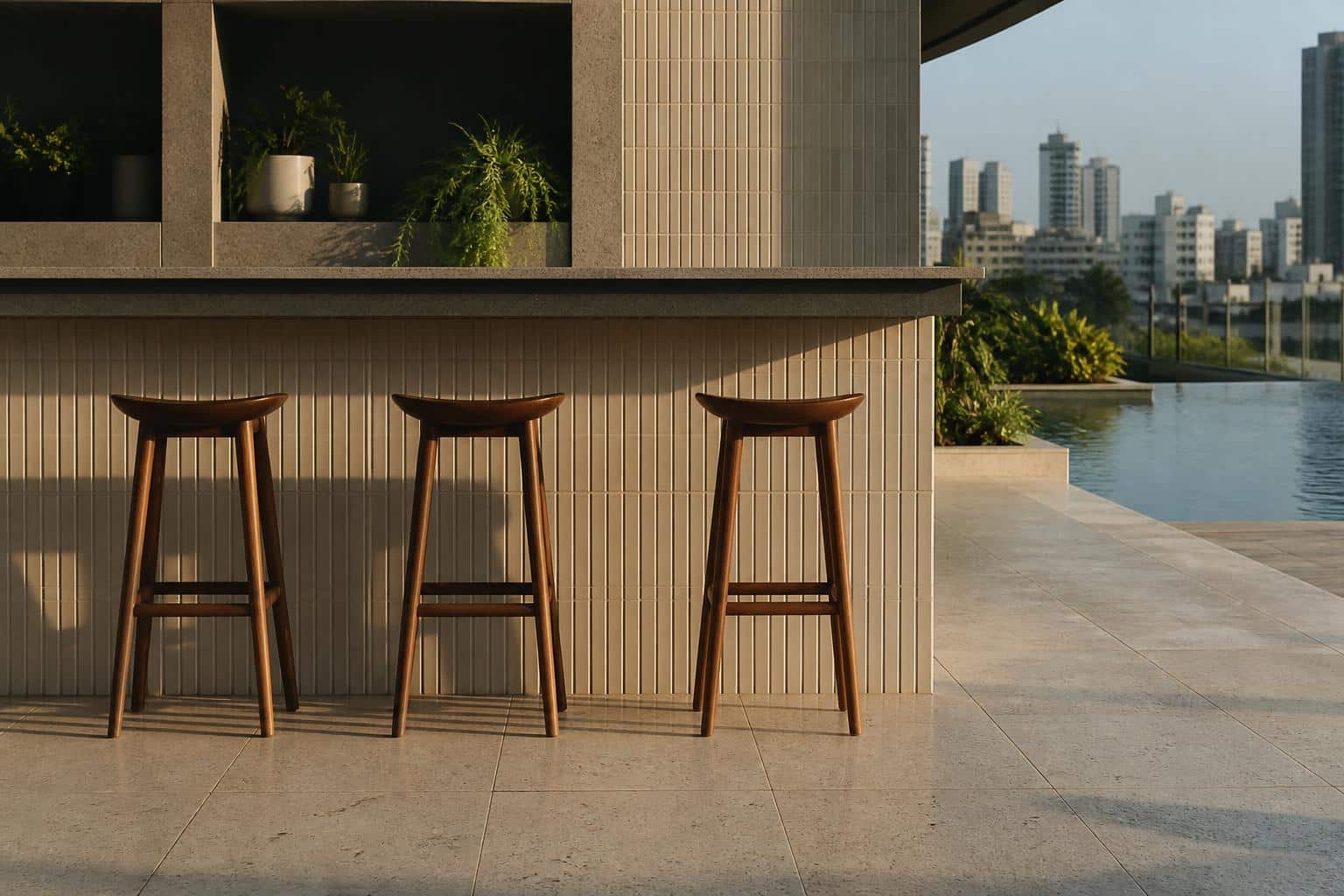
Sightlines come next. If your outdoor bar faces a pool, a garden, or a distant view, backless stools keep that view uninterrupted from the seating area behind the bar. This is a real quality-of-life win on smaller patios where a wall of chair backs would visually chop the space in half. The same logic applies indoors at a kitchen pass-through window, where a row of low stools reads as counter rather than furniture.
A few other advantages worth naming:
- Easier cleaning. Fewer surfaces and joints mean rinsing off pollen, salt spray, or storm debris takes under a minute per stool.
- Flexible orientation. Guests can face the bar, spin toward the yard, or straddle the seat to chat with someone behind them without shuffling the whole stool.
- Lighter to move. Without a back frame, stools weigh less and are easier for one person to carry, stack, or reposition.
- Quicker to cover. A single small cover drops over a backless stool cleanly; chair covers with backs are fussier to fit and secure.
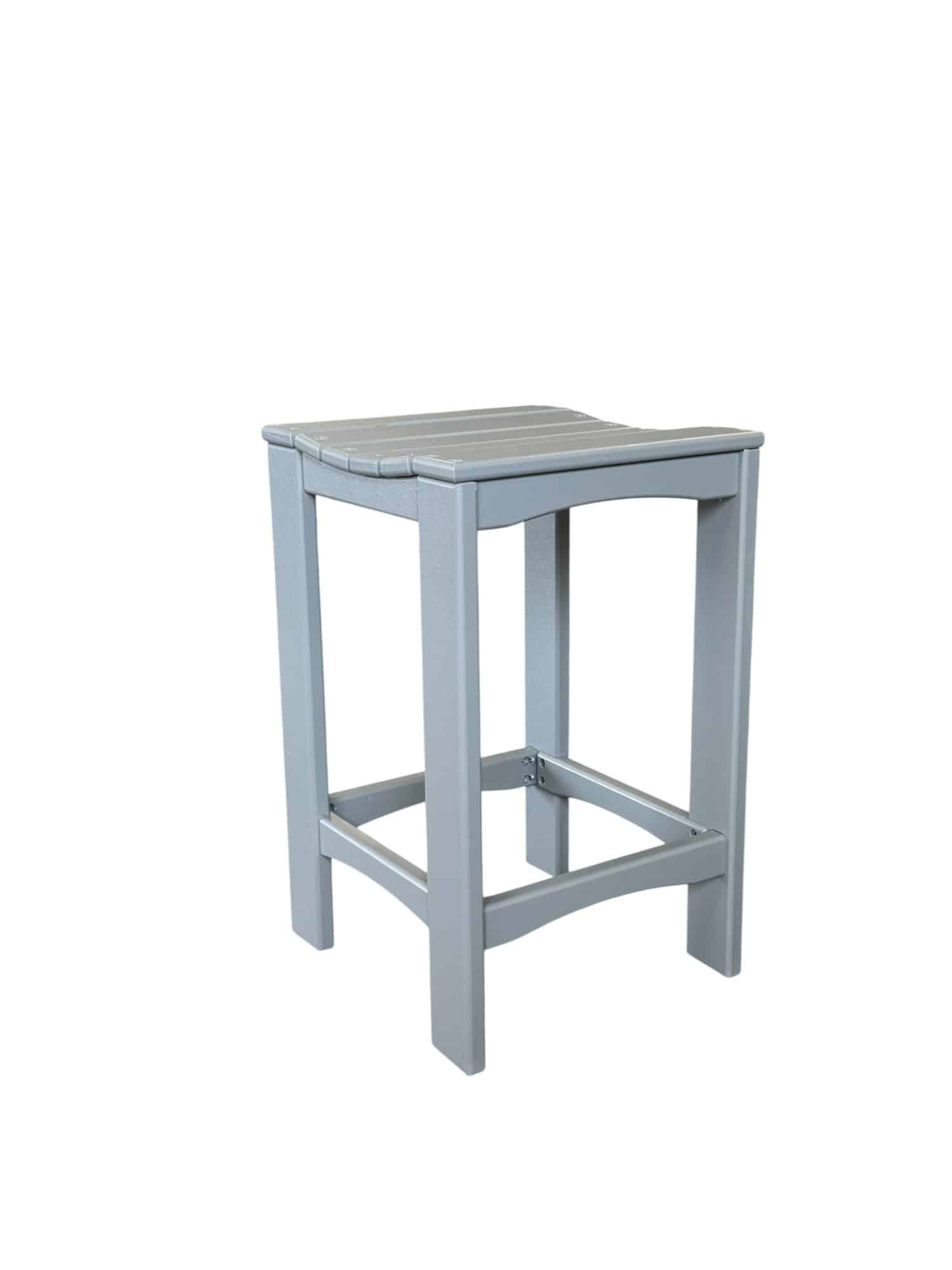
For households that entertain in short bursts, use their outdoor bar mostly for morning coffee or evening drinks, and want the patio to feel open, the case for backless is strong. If you’d like to see how a counter-height option is sized and priced, the Counter Height Stool product page walks through the specs you’d want to compare.
Where Backless Stools Fall Short
The honest downsides cluster around long-duration comfort and specific body needs. A backrest does more than look supportive; it lets the sitter transfer some spinal load to the chair, which reduces fatigue during extended sits. Without that transfer, the lower back, hips, and core do all the stabilizing work. Most healthy adults notice this after about 45 to 60 minutes of continuous sitting, especially on a hard seat.
People with chronic back conditions, recent surgeries, or balance concerns often prefer a chair with a back for outdoor dining. The same is true for very young children, who benefit from the enclosure a backed seat provides, and for older adults who use the back as a visual and physical cue when sitting down or standing up. If your regular guest list includes anyone in those categories, plan on mixing in at least a couple of chairs with backs at the same counter.
Posture and Comfort Realities
The seat itself matters more on a backless stool than on a chair. A contoured seat with a slight bucket shape distributes weight better than a flat plank, and a rounded front edge relieves pressure behind the knees. Look for a seat depth of about 14 to 16 inches; deeper seats push the sitter’s hips forward without back support to catch them, which encourages slouching.
Weather and Surface Considerations
Backless stools sit lower in the wind profile, which sounds like an advantage, but they can also skitter across a slick deck in a gust because they’re lighter. On breezy waterfront or ridge-top patios, heavier stools or a small anti-slip pad under each foot solves the problem. Sun exposure is worth thinking about too: without a backrest to shade the seat, the sitting surface bakes in direct sun. Light colors and an occasional splash of water before use keep summer sits comfortable.
How to Measure Your Counter or Bar Before Ordering
Getting the fit right is the single biggest factor in whether you’ll love your stools a year from now. Start by measuring the finished height of your counter from the ground to the top surface. Standard outdoor surfaces fall into three heights, and each pairs with a specific stool height:
- Dining height (28 to 30 inches): pair with an 18-inch seat height. This is a normal chair, not usually a stool.
- Counter height (34 to 36 inches): pair with a 24 to 26-inch seat height. This is the most common outdoor bar setup.
- Bar height (40 to 42 inches): pair with a 28 to 30-inch seat height.
The rule of thumb is 10 to 12 inches of clearance between the top of the seat and the underside of the counter. Less than 10 inches and knees hit the counter frame; more than 12 and shoulders sit awkwardly below the surface. Measure the underside of any overhang, not the top edge, because a thick countertop or apron eats into that clearance.
Width per stool is the next number. Plan on 24 to 30 inches of counter frontage per person. Any tighter and elbows collide during meals; any wider and conversation feels stretched. On a 72-inch bar you can seat three adults comfortably, or four in a pinch for drinks. Also confirm you have at least 12 to 18 inches of clear floor space behind each stool for the sitter to swing their legs and stand up.
Finally, check the overhang depth. You want at least 10 inches of counter overhang to tuck the stool underneath and still have room for knees. A 6-inch overhang means the stools will always stick out past the counter edge.
Choosing Materials That Hold Up Outdoors
Backless stools live a hard life. They sit in sun, take rain, get bumped, and rarely go inside for winter. Material choice determines whether they still look right in year five. Poly lumber, HDPE, and recycled plastic outdoor furniture as a category have earned their reputation for outdoor use because the color runs through the material rather than sitting on top as paint, the surface doesn’t splinter, and cleaning is usually a soap-and-water job. The U.S. Environmental Protection Agency has good background on how recycled plastics enter the durable goods stream if you want to understand what “recycled content” typically means on a product label.
When comparing outdoor stools regardless of brand, look at:
- Leg thickness and joinery. Thicker legs (roughly 2 inches or more) with stainless or coated hardware resist the wobble that develops over time on lighter frames.
- Seat construction. A single solid seat piece or tightly spaced slats sheds water and debris faster than wide-gapped designs.
- Weight. A quality outdoor stool usually weighs 20 to 35 pounds. Lighter than that often signals thin-wall construction.
- Warranty terms. Read what’s actually covered. Structural coverage and fade coverage are often separate, and the length of each tells you what the maker is willing to stand behind.
Plastic Furniture To Go stools carry a 7-year structural warranty and a 5-year fade warranty, which is useful context when you’re comparing coverage across brands. And because everything ships factory-direct with free nationwide shipping, you’re not paying a retail markup on top of the freight. If you’d like to browse the full lineup alongside the stools, the shop page lays out all five products in one view.
Who Backless Stools Actually Fit
Pulling all of this together, backless outdoor stools work beautifully for a specific set of users. They fit households with an outdoor bar or counter used mainly for short sits: breakfast, coffee, cocktails, snacks between pool time. They fit patios where space is tight and every inch of walkway matters. They fit design-forward outdoor rooms where the architecture and view carry the visual weight and the furniture should recede.
They fit less well when the same counter serves as the primary outdoor dining table for long family meals, when guests routinely include people who need back support, or when the counter faces a wall rather than a view (in which case backed chairs give sitters something to lean into during long conversations). A common middle path is to mix seat types: two backless stools on the ends where people rotate through, and one or two backed chairs in the middle for the guests who settle in.
Climate matters less than you might think. Backless stools handle heat, cold, humidity, and dry air about the same as backed chairs made from the same material. What matters more is how you use the space day to day.
Frequently Asked Questions
Are backless outdoor stools comfortable for long meals?
For sits under an hour, most adults find a well-shaped backless stool perfectly comfortable. Past the hour mark, comfort depends on the person. Sitters with strong core posture often don’t notice; others start looking for something to lean against. If your outdoor counter regularly hosts two-to-three-hour dinners, plan to mix in a couple of backed chairs so guests can choose based on how long they want to linger.
What seat height should I choose for a 36-inch outdoor counter?
A 36-inch counter pairs with a counter-height stool that has a seat about 24 to 26 inches off the ground. That gives you the 10 to 12 inches of thigh-to-counter clearance most people find comfortable. If your counter measures 40 to 42 inches instead, step up to a bar-height stool with a 28 to 30-inch seat. Measuring the finished counter height before ordering avoids the most common fit mistake.
How much space should I leave between backless stools?
Plan on 24 to 30 inches of counter width per stool, measured from center to center. That gives each sitter room for a plate, a drink, and their elbows without bumping neighbors. For drinks-only bars where guests stand as much as sit, you can go as tight as 22 inches. Also leave at least 12 to 18 inches of clear floor space behind each stool so people can sit down and stand up without pushing into a wall.
Do backless stools blow over in the wind more easily?
They can, because they weigh less and sit lower than a full chair. On exposed patios, waterfront decks, or hilltop yards, look for stools in the 25 to 35-pound range and consider adding a small non-slip pad under each foot for stability. Tucking stools fully under the counter overhang between uses also protects them from gusts. In sustained storm conditions, stack or store them the same way you would any outdoor furniture.
If a backless option looks like the right fit for your outdoor bar, the Plastic Furniture To Go Counter Height Stool is worth a close look — American made, factory-direct, and shipped free anywhere in the country, with no retail middle layer inflating the price. Browse the full collection to compare it alongside the Adirondack, café chair, and end tables, and reach out through the contact page if you’d like a second opinion on sizing before you order.