
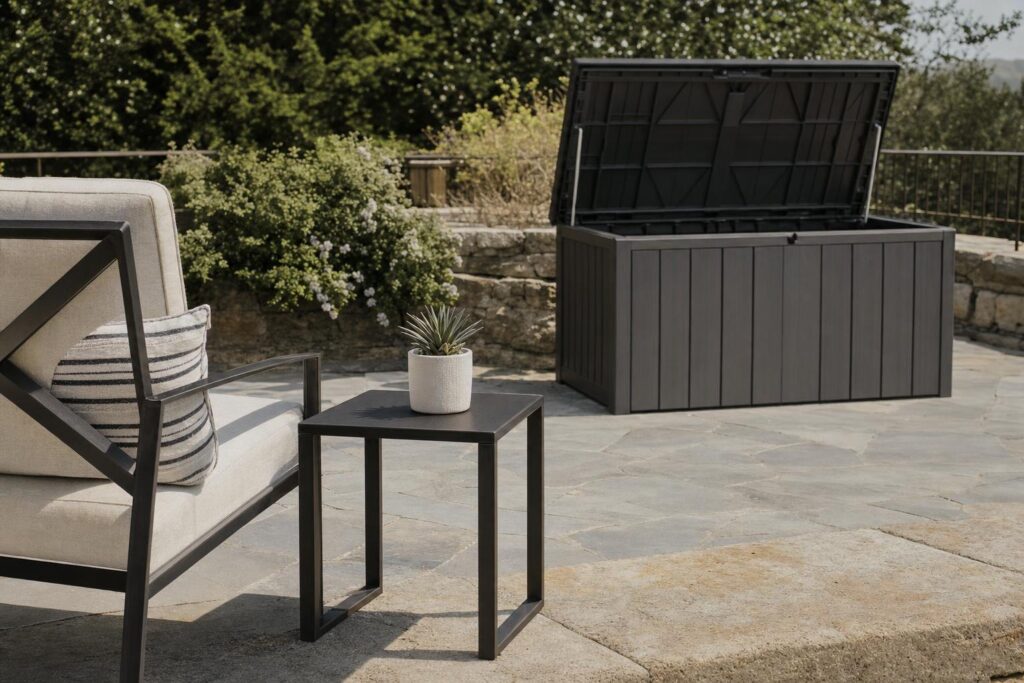
Sorting through the outdoor side table with storage pros and cons is a more practical exercise than it sounds. Storage sounds like a pure upgrade—a hinged lid, a cabinet door, a drawer underneath the top—until you realize that outdoor enclosures collect moisture, trap heat, and add bulk. At the same time, a simple open table may leave you hunting for a spot to stash sunscreen, remotes, or playing cards every time you head inside. This article lays out what the storage feature actually gives you, what trade-offs come with it, and how open-top end tables hold up as the no-fuss alternative, so you can make the call that fits your patio routine.
What “Storage” Actually Means on an Outdoor Side Table
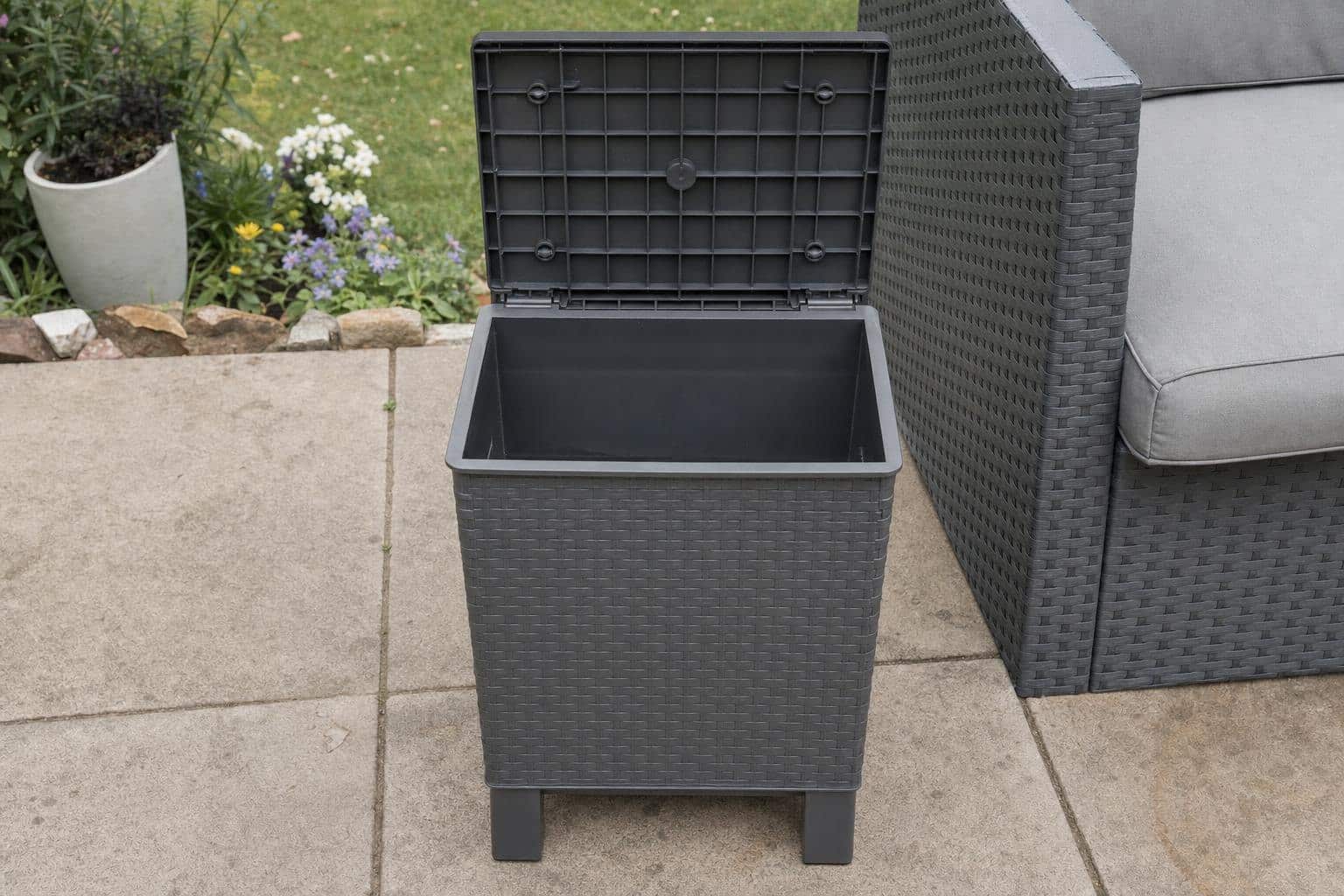
The term covers a wide range of designs, and the differences matter before you spend a dollar. Some tables have a single shelf below the top—open to the air, useful for a book or a pair of sandals, easy to wipe down. Others have a fully enclosed cabinet with a door or lift-off lid, marketed for storing cushions, small toys, or accessories. Still others include a shallow drawer just deep enough for a phone or a lighter.
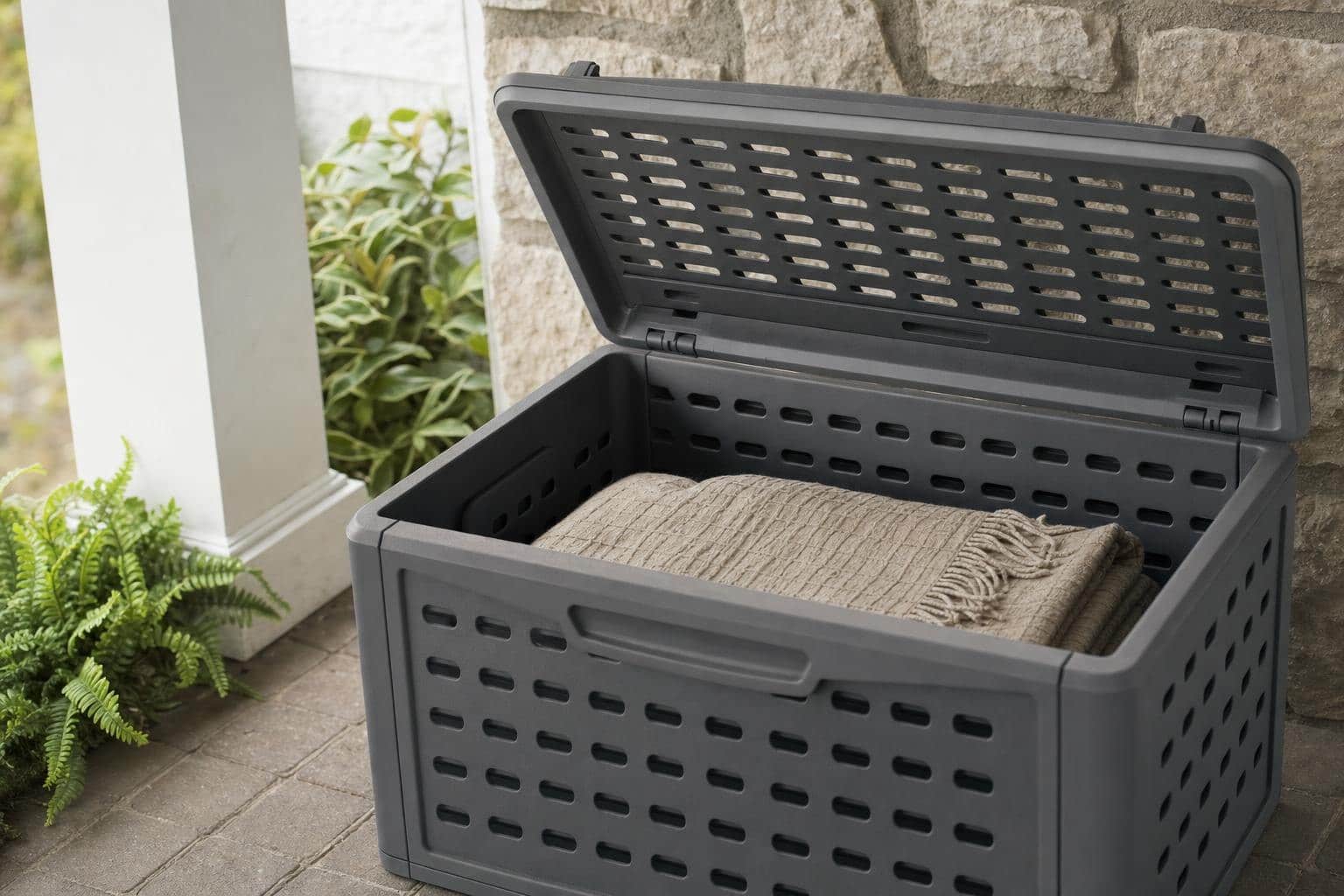
Each configuration performs very differently in outdoor conditions. An open shelf has almost no downside beyond the obvious lack of weather protection. A sealed enclosure, by contrast, creates a microclimate that traps whatever moisture sneaks in through rain or condensation. Before assuming a storage compartment will keep items dry, check whether the product has drainage holes, ventilation gaps, or a gasket seal designed for outdoor use—because most do not advertise these details clearly.
The Real Benefits of Having a Compartment Outside
Storage on an outdoor table genuinely earns its keep in a few specific situations. If your patio is far from an interior door and you find yourself making repeated trips inside for small items, a lockable or enclosed compartment reduces that friction. The same applies to anyone who entertains often: coasters, bottle openers, and napkins stay within reach without creating visual clutter on the tabletop.
A shelf or drawer also protects items from direct sun exposure. UV degradation is a real concern for items like playing cards, thin paperbacks, or anything with a plastic casing—not because a compartment is watertight, but because shade buys extra time before sun damage accumulates. Families with young children sometimes value a side table compartment as a quick-grab spot for sunscreen or bug spray that stays cooler than if left on a hot tabletop in direct sun.
Moisture, Ventilation, and Why Enclosed Spaces Get Problematic
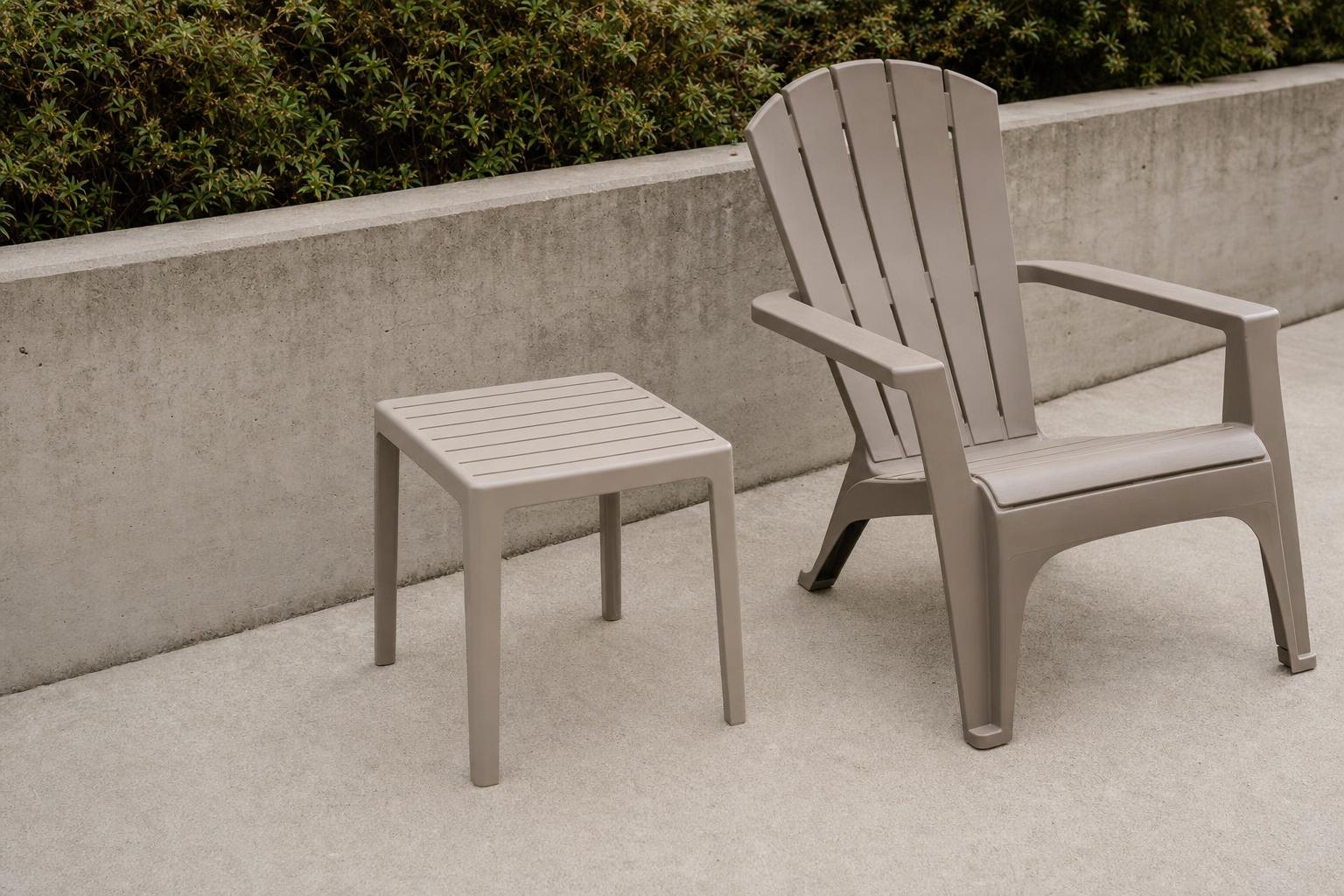
This is where the outdoor side table with storage pros and cons equation gets honest. Outdoor furniture is exposed to rain, morning dew, and high humidity for months at a time. A fully enclosed compartment concentrates that moisture rather than letting it evaporate. Fabric items, paper products, and anything organic—cork, leather accessories, natural-fiber mats—can develop mold growth in enclosed spaces faster than you might expect, particularly in humid climates or after a multi-day rain event.
The EPA’s guidance on moisture and mold notes that mold can begin to develop on damp materials within 24 to 48 hours, and that the key to prevention is controlling moisture and ensuring adequate ventilation. That principle applies directly to outdoor furniture enclosures: if the compartment doesn’t dry out between uses, items stored inside are at risk. Before buying a table with an enclosed cabinet, look for drainage holes in the floor of the compartment, gaps or louvers on the sides, and a material with low moisture absorption.
For context, Marine Grade Polymer—the material used in Plastic Furniture To Go’s line—has a nonporous surface and low moisture absorption, which helps the table components remain stable in damp conditions. But the items inside a compartment depend entirely on air circulation, not just the table material. Read the EPA moisture and mold guide if you’re planning to store anything fabric or paper-based outdoors long-term.
Weight, Footprint, and How Storage Affects Usability
Outdoor side tables with storage compartments are almost always heavier and wider than their open counterparts. A cabinet door or lift-off lid requires hinges, a deeper body, and often a locking mechanism—all of which add bulk. If you rearrange your seating layout seasonally, or you store the table inside during winter, that extra mass compounds every time you move the piece.
Footprint matters, too. A table sized to hold a compartment large enough to be genuinely useful tends to be deeper front to back than a simple end table. In a tighter patio or balcony setting, that can mean the table crowds legroom beside a chair. Measure your available space carefully before ordering any storage table, and compare the exterior dimensions to the usable interior volume—the ratio is sometimes disappointing.
How Open End Tables Compare for Day-to-Day Use
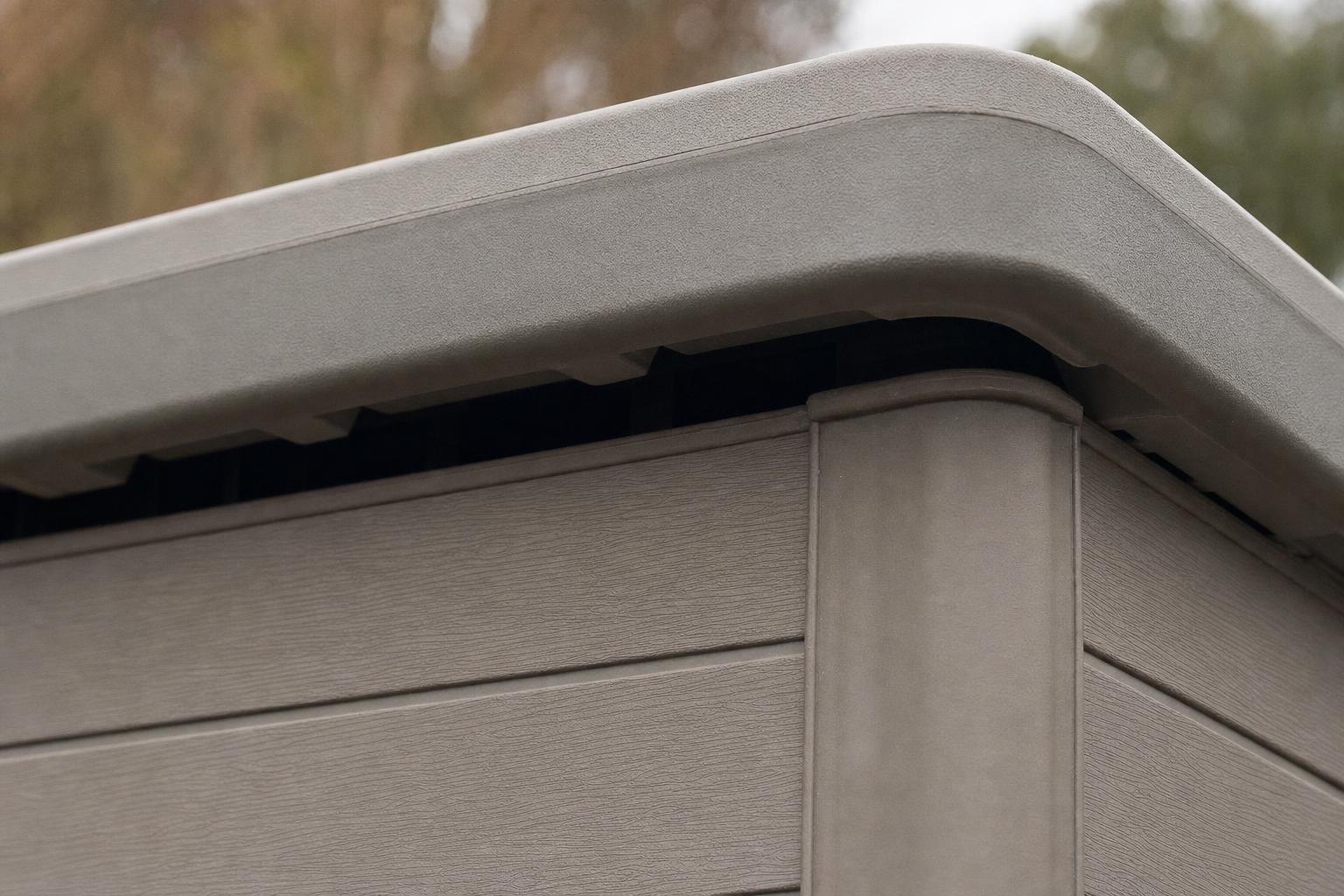
A flat-top open table without a storage compartment covers most patio side-table tasks without the complication. It supports a drink, a lamp, a book, or a small tray. It’s lighter, simpler to clean, and doesn’t trap moisture anywhere. If your patio furniture spends nights and rain events uncovered, an open table dries faster and invites less long-term maintenance.
Plastic Furniture To Go offers two open polymer end tables—the Hampton Round End Table and the Hampton Square End Table—both made in the USA from Marine Grade Polymer with stainless steel hardware. Neither includes a storage compartment, and that’s a deliberate design trade-off: the tables stay low-profile, weather-resistant, and easy to position anywhere in a seating arrangement. They ship flat in a box and assemble in roughly 20 minutes. That simplicity suits anyone who wants reliable outdoor furniture without tracking down cushion storage or worrying about ventilation inside a cabinet.
If you need occasional storage near your seating area, a separate deck box or weather-rated bin handles bulk items more efficiently than a side-table compartment, and leaves the table surface free for actual use.
What to Look For If You Decide Storage Is Worth It
If the convenience factors outweigh the trade-offs for your situation, here’s what to check before committing to a specific table. First, confirm the compartment material is non-porous or at least sealed—wood absorbs moisture; most polymers do not. Second, look for drainage holes or ventilation gaps that let water escape after rain. Third, check whether the lid or door is hinged or fully removable; hinged doors stay attached in wind, which matters more than it seems. Fourth, review the warranty terms for the storage components specifically, since hinges and closures sometimes carry shorter coverage than the main structure.
Finally, be realistic about what you’ll actually store there. A compartment sized for two cushions may sound practical but requires you to pull and replace cushions every time you sit down. Smaller compartments for pocket-sized items tend to get used more consistently than cavernous ones that are awkward to access from a seated position.
Warranties, Returns, and What to Expect After the Sale
Warranty terms differ widely across this product category, so read the fine print before you buy from any retailer. Plastic Furniture To Go backs its polymer furniture—including both end tables—with a 7-year structural warranty covering defects in materials and workmanship, plus a 5-year warranty against fading. Those terms apply to the furniture itself, not to anything you choose to store in or on it.
Returns at Plastic Furniture To Go are accepted within 30 days of receipt for new, unused, unassembled products in original packaging with proof of purchase. The customer covers return packaging and freight unless the return is due to a seller error, and refunds exclude the original shipping cost. Because the policy requires an eligible product to remain new, unused, and unassembled, confirm the table dimensions and whether you truly need storage before opening the box.
If you’re comparing storage tables from other sources, look for similar structural warranties and clear terms on what “fading” coverage actually includes. Vague language about “weather resistance” without a specific warranty period is worth treating skeptically.
Frequently Asked Questions
Can I store cushions in an outdoor side table with a storage compartment?
Some storage tables are marketed for cushion storage, but a side table compartment is rarely large enough for more than a couple of small seat pads. More importantly, cushions need to be dry before you store them in any enclosed space—trapping damp fabric promotes mold growth. A dedicated deck box with ventilation is a more practical solution for cushion storage.
Does Marine Grade Polymer resist moisture in a storage compartment?
Marine Grade Polymer has a nonporous surface and low moisture absorption, so it avoids some of the swelling concerns associated with porous materials in wet conditions. However, the material of the table doesn’t protect items stored inside from moisture. Air circulation within the compartment determines whether stored contents stay dry, regardless of what the table itself is made from.
Are open end tables harder to keep tidy than tables with drawers or shelves?
Open tables don’t hide anything, which some people find less tidy and others find more practical because nothing gets forgotten or left to mildew. A small tray or basket placed on an open table surface organizes small items effectively and can be carried inside easily—which achieves most of what a drawer does without the ventilation concern.
How do I know if a storage compartment is ventilated enough for outdoor use?
Look for drainage holes in the compartment floor, gaps or louvers along the sides, or a lid that doesn’t create a hermetic seal. Product listings often don’t photograph or describe these details clearly, so check the full specification sheet or contact the retailer directly before purchasing if outdoor humidity is a concern in your area.
Still weighing your options? Browse the full outdoor furniture selection in the Plastic Furniture To Go shop, or contact Plastic Furniture To Go with specific questions about dimensions, materials, or which end table suits your patio layout. The team can help you determine whether a simple open table—like the Hampton Square End Table—covers everything you actually need without the storage complications.
You may also find these helpful: Adirondack Chair Cushions: Fit, Drying, and Storage and Stackable Plastic Patio Chair Benefits and Limits.

