
North Texas patios deal with more than heat. In Dallas-Fort Worth, strong spring storms, sudden wind gusts, hail, and long hot summers all shape what makes sense outdoors.
For the full North Texas picture — how the region’s spring storm pattern and long hot summers both factor into what to shop for — see our guide to patio furniture for Dallas-Fort Worth.
If you are comparing DFW outdoor furniture for wind and hail, start with the basics that affect real storm readiness: piece weight, how many small movable parts are in the set, hardware quality, how easily furniture can be relocated, and what to inspect after a storm passes.
Start with weight before style details
In windy conditions, furniture that feels substantial usually gives you a better starting point than lightweight pieces that are easy to tip, slide, or scatter across a patio. Weight does not replace common-sense storm prep, but it matters every day, especially on open concrete patios, pool decks, rooftops, and exposed backyards where gusts can build quickly.
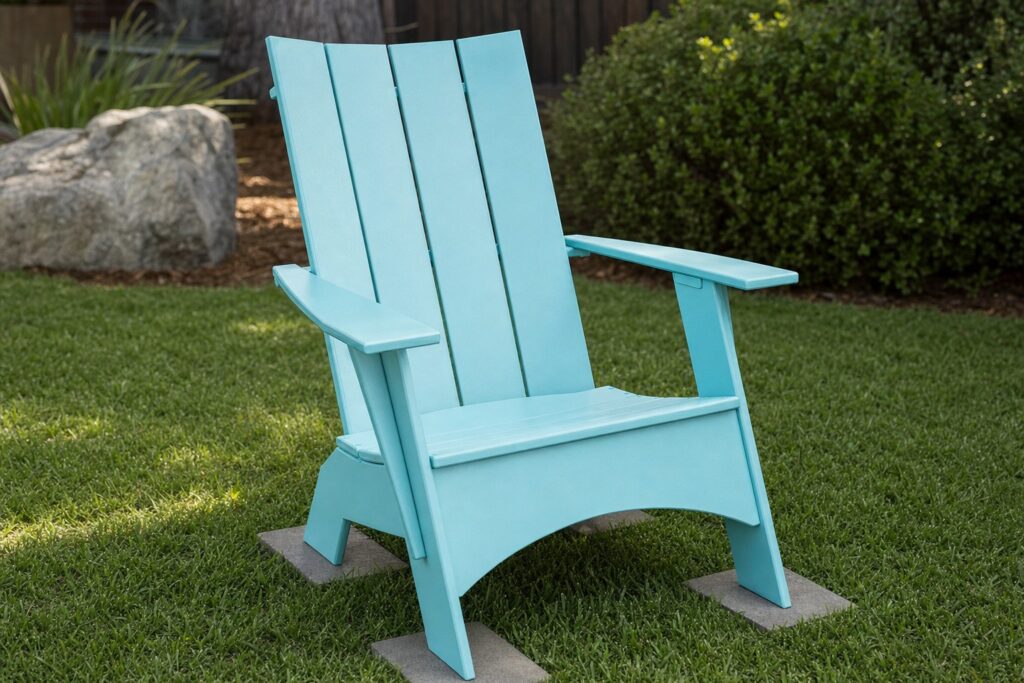
That is one reason published product weights are useful. A chair that weighs 52 pounds behaves differently in a gust than one that can be lifted with one hand. For example, the Hampton Adirondack Chair weighs 52 pounds, which gives it a more grounded feel on the patio. Smaller dining and occasional pieces should be considered with the same mindset. The Armless Cafe Chair weighs 27 pounds, the Counter Height Stool weighs 21 pounds, and Hampton round and square end tables weigh 15 pounds each.
Those numbers help you think realistically about placement. Heavier seating can be a smart choice for exposed areas, while lighter accent pieces may be better kept closer to the house, under a covered space, or in spots with a quick storage path when storms are in the forecast.
Limit small loose pieces that become a storm chore
Some outdoor layouts look great on a calm day but turn into a scramble when a thunderstorm warning pops up. The more small side tables, lightweight stools, decor items, planters, and accessories you keep outside, the more you have to move on short notice.
For DFW homes, a practical setup often beats an over-accessorized one. Fewer loose pieces mean less time spent hauling things into the garage, covered porch, or interior storage area. It also reduces the chance that one forgotten item becomes the piece that gets blown into a railing, a window, or the rest of your furniture.
A simple arrangement with substantial seating and a restrained number of tables is easier to manage than a patio filled with many individual parts. If you like a layered look, think about which pieces truly need to stay out full time and which can be brought out only when entertaining.
Pay attention to hardware, not just color and shape
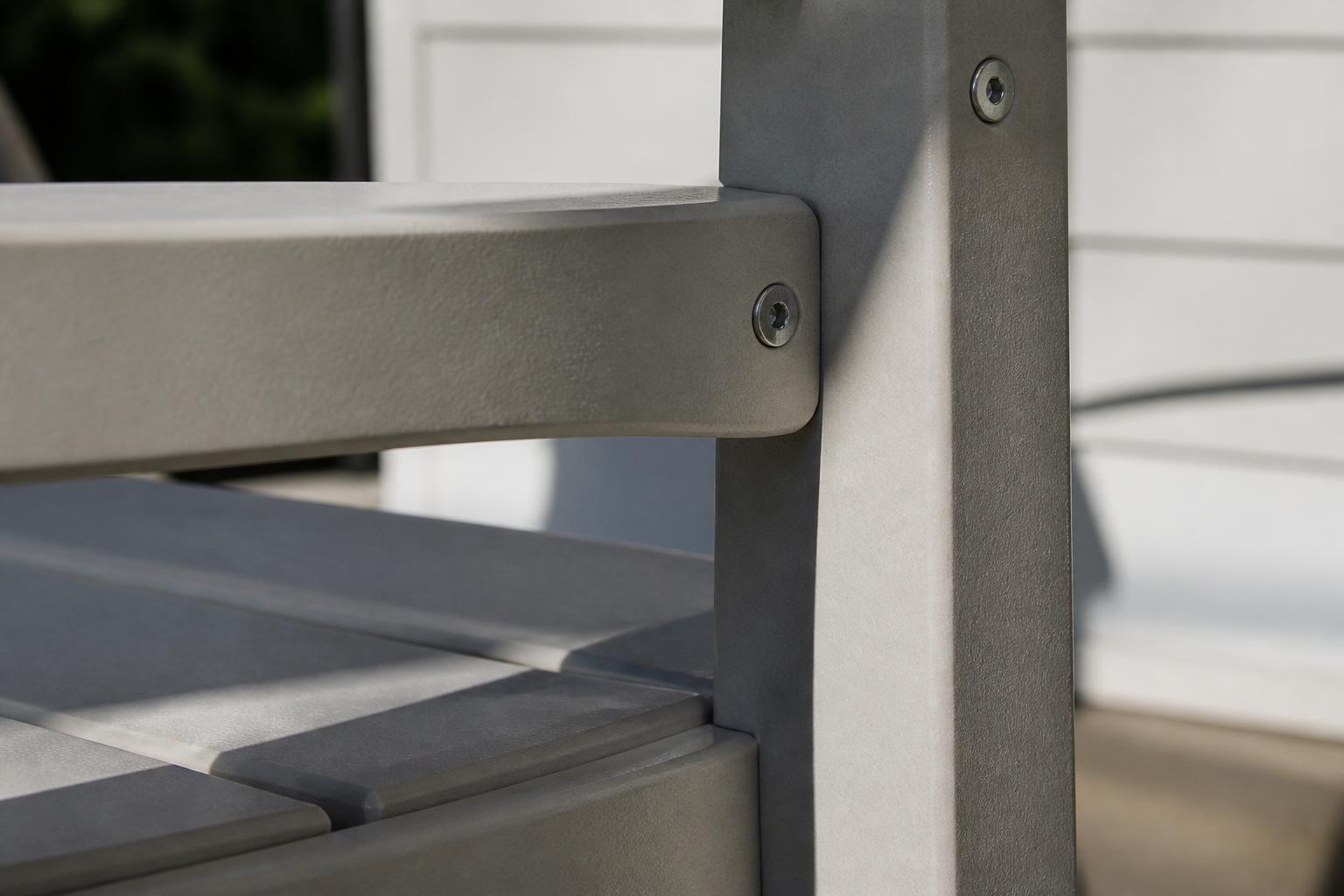
Storm-readiness is not only about how heavy a chair feels. Hardware plays a big part in how outdoor furniture holds together through repeated use, seasonal expansion and contraction, and rough weather exposure.
Plastic Furniture To Go uses 3/16-inch stainless steel hardware, which is a practical detail worth noticing when you compare options. Well-chosen hardware supports the structural integrity of the piece and helps avoid the sloppy feel that can develop when joints loosen over time.
This matters in North Texas because outdoor furniture does not just sit through one weather pattern. It can go from extreme sun and dry heat to drenching rain and hail-producing storms in the same week. If you are also planning for long summer exposure, it helps to read more about patio furniture for Texas heat alongside storm prep considerations.
Material matters too. Marine Grade Polymer is a solid choice for outdoor use because it is built for life outside and pairs well with robust assembly methods. When shopping, focus on the complete package: substantial weight, dependable joinery, and hardware made for outdoor conditions.
Choose layouts with a clear storage route
A lot of storm prep comes down to how fast you can act. If a severe thunderstorm is approaching, you do not want to figure out in the moment how to squeeze large chairs through a side gate or where to stack tables while rain starts coming down.
Before buying, map the route from your patio to your storage area. That may be a garage, a storage room, a covered back porch, or another protected spot. Ask practical questions:
Can one person move the piece safely? Is there a step, narrow gate, or sharp corner on the route? Will stools and end tables need a dedicated stacking zone? Does the furniture have a logical place to go without blocking cars, doors, or walkways?
For many DFW households, the best arrangement is a mix. Keep your heaviest everyday seating in the main patio zone, and make sure smaller pieces have an obvious sheltered location when storms threaten. That is more realistic than assuming every item will stay outside year-round regardless of conditions.
It is also smart to review the retailer’s policies before ordering larger pieces online. Plastic Furniture To Go offers free shipping to the contiguous U.S., which makes planning an upgraded outdoor setup more straightforward without adding freight surprises at checkout.
Think about hail exposure by zone
Hail is a different problem than wind. Wind tries to move furniture. Hail tests exposed surfaces and makes placement more important. In DFW, not every area of the patio gets hit the same way. A covered section close to the house may get meaningful protection, while an open deck or yard-level sitting area can take the full force of a storm.
When planning your layout, divide your outdoor space into exposure zones. The most protected areas should be reserved for pieces you use most often or prefer not to move frequently. More open zones are better suited to furniture that can be relocated quickly when needed.
This is also where simplicity helps. If a storm is approaching, you want to move a manageable number of items, not make a dozen decisions in the rain. The National Weather Service offers a helpful overview of thunderstorm safety that reinforces why quick action and a plan matter in fast-changing weather.
What to inspect after a storm
Once a storm passes, a short inspection can help you catch small issues before they become bigger ones. You do not need a complicated checklist, but you should look over each piece with intention.
Start with hardware. Check for any looseness, shifting, or movement at connection points. Then inspect arms, legs, seat slats, backs, and table tops for obvious impact marks or stress around fasteners. If a piece slid across concrete or pavers, look at the feet and lower edges for wear.
Also check where the furniture landed. A chair that stayed upright but struck a wall, column, or another piece may deserve a closer look than it first appears. If cushions or accessories were stored separately, make sure they are fully dry before returning them to use.
Regular inspection is one of the easiest ways to extend the service life of outdoor furniture. It does not take long, and it gives you confidence that everything is ready for daily use before the next stretch of hot, stormy weather arrives.
Match the furniture to everyday use, not just the worst forecast
It is easy to focus so much on storms that you forget your patio still needs to work on normal days. The goal is not bunker-style outdoor living. The goal is furniture that feels substantial, lives well outside, and can be managed sensibly when DFW weather turns rough.
That usually means balancing comfort and practicality. A heavy Adirondack chair can make sense as anchor seating in a backyard conversation area. Smaller tables can still be useful, but they should be chosen with realistic expectations about movement and storage. Counter stools and cafe chairs may work well in covered or semi-sheltered areas where they are easy to reposition.
Plastic Furniture To Go furniture is American Made and backed by a 7-year structural warranty plus a 5-year fade warranty. Those are helpful ownership details for shoppers who want outdoor furniture designed for ongoing use rather than one season of good looks.
The material itself also supports that practical approach. Marine Grade Polymer is well suited to outdoor conditions, and Plastic Furniture To Go recycles 100% of its own manufacturing waste. For buyers who want a cleaner shopping checklist, that adds up to a simple decision path: choose substantial pieces, reduce clutter, plan your storage route, and inspect after storms.
Buy with your patio’s real risk points in mind
Every DFW property has its own trouble spots. One backyard may get a strong west-to-east wind sweep through a fence gap. Another may have a pool deck with very little friction under chair legs. A townhouse balcony may have less room to store pieces quickly. A covered outdoor kitchen might be protected from hail but still exposed to gusts around the corners.
Instead of buying by appearance alone, identify the actual risk points on your property. Notice where leaves collect after storms, where dust blows in, where furniture has shifted before, and which pieces are hardest to move. Those clues tell you more than a staged patio photo ever will.
When your shopping decisions follow those real conditions, your layout becomes easier to manage through the full North Texas weather cycle. You end up with fewer regrets, fewer rushed storm prep decisions, and a patio that is more likely to stay orderly and usable.

Frequently Asked Questions
Is heavier outdoor furniture always better for DFW wind?
Heavier furniture usually provides a better starting point in windy areas because it is less likely to shift easily. Still, no furniture should be treated as storm-proof. If severe weather is forecast, lighter pieces and accessories should be moved to a protected area, and even substantial furniture should be checked after the storm.
What patio pieces should I move first before a thunderstorm?
Start with the smallest and lightest loose items: end tables, stools, decor, cushions, and anything not anchored by size or weight. Those pieces are usually fastest to move and most likely to blow around. A patio with fewer small items is much easier to secure quickly.
Why does stainless steel hardware matter outdoors?
Outdoor furniture deals with moisture, heat, and repeated expansion and contraction. Quality hardware helps the piece stay tight and stable over time. Plastic Furniture To Go uses 3/16-inch stainless steel hardware, which is a practical feature when comparing long-term outdoor performance.
How should I shop online if I do not want surprises?
Read product weights, dimensions, warranty details, and shipping information carefully. Think through where each piece will sit and where it will go during storms. If you are ready to compare substantial American Made options built from Marine Grade Polymer, browse the shop and use the contact form to ask questions before placing your order.
Ready to upgrade your patio with storm-aware outdoor furniture choices? Explore the shop and contact form at Plastic Furniture To Go to compare American Made pieces with free shipping to the contiguous U.S.
You may also find these helpful: Lakefront Patio Furniture, How Heavy Should Patio Furniture Be for Wind?, and Houston Patio Furniture for Humidity and Heavy Rain.
For local conditions, see our Dallas–Fort Worth patio furniture guide.