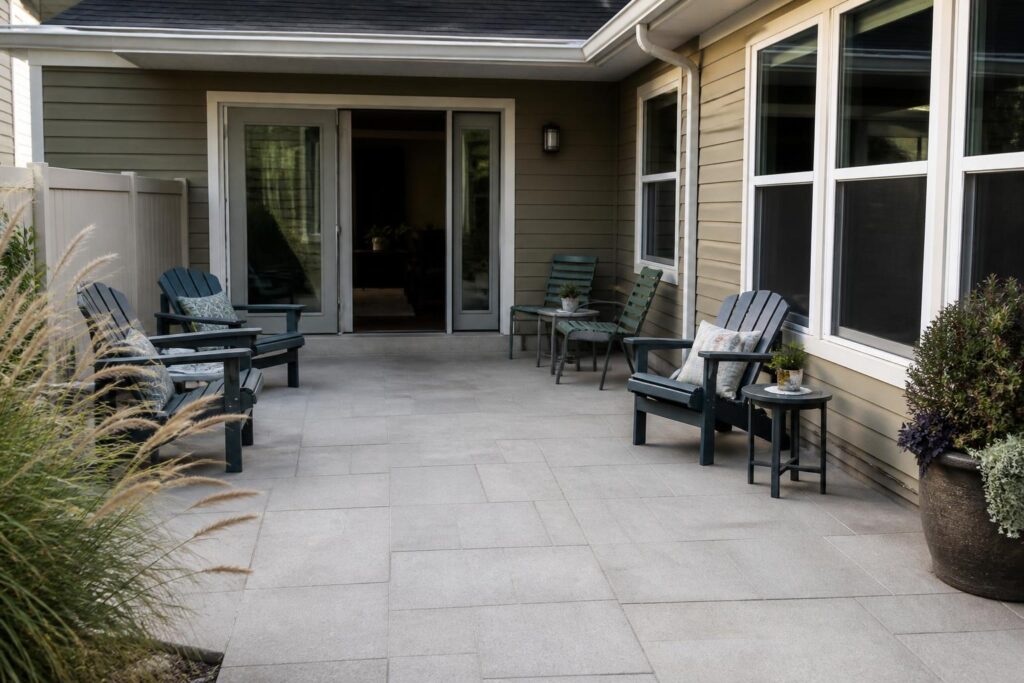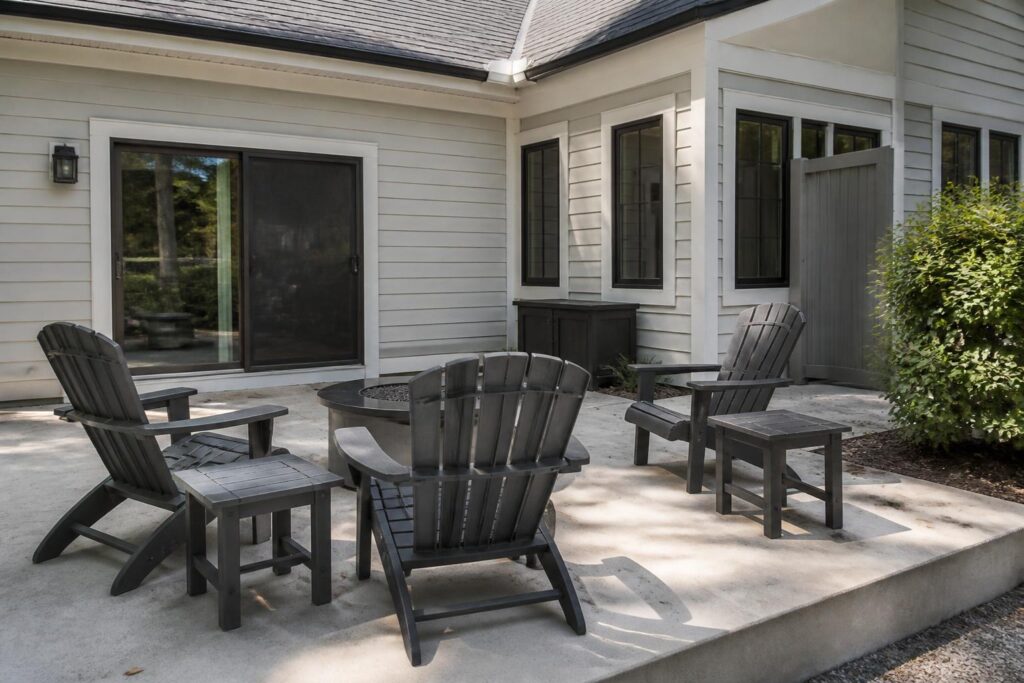

Houston patios work hard. Long stretches of humidity, sudden downpours, wind-driven rain, and periods of standing water can wear down outdoor spaces faster than many homeowners expect.
If you are shopping for Houston patio furniture for humidity and heavy rain, the smartest place to start is with material choice and layout planning. A good setup should shed water, allow airflow, clean up easily after storms, and make it simple to move or reposition key pieces when severe weather is on the way.
Compare current dimensions and product details in our collection of chairs, stools, and end tables.
Why Houston weather is tough on outdoor furniture
Houston’s climate creates a very specific set of outdoor conditions. High moisture in the air can linger for days, not just during storms but through ordinary mornings and evenings. Add frequent heavy rain, soaked concrete, saturated lawn edges, and storm season concerns, and patio furniture needs to do more than just look good for a few weekends.
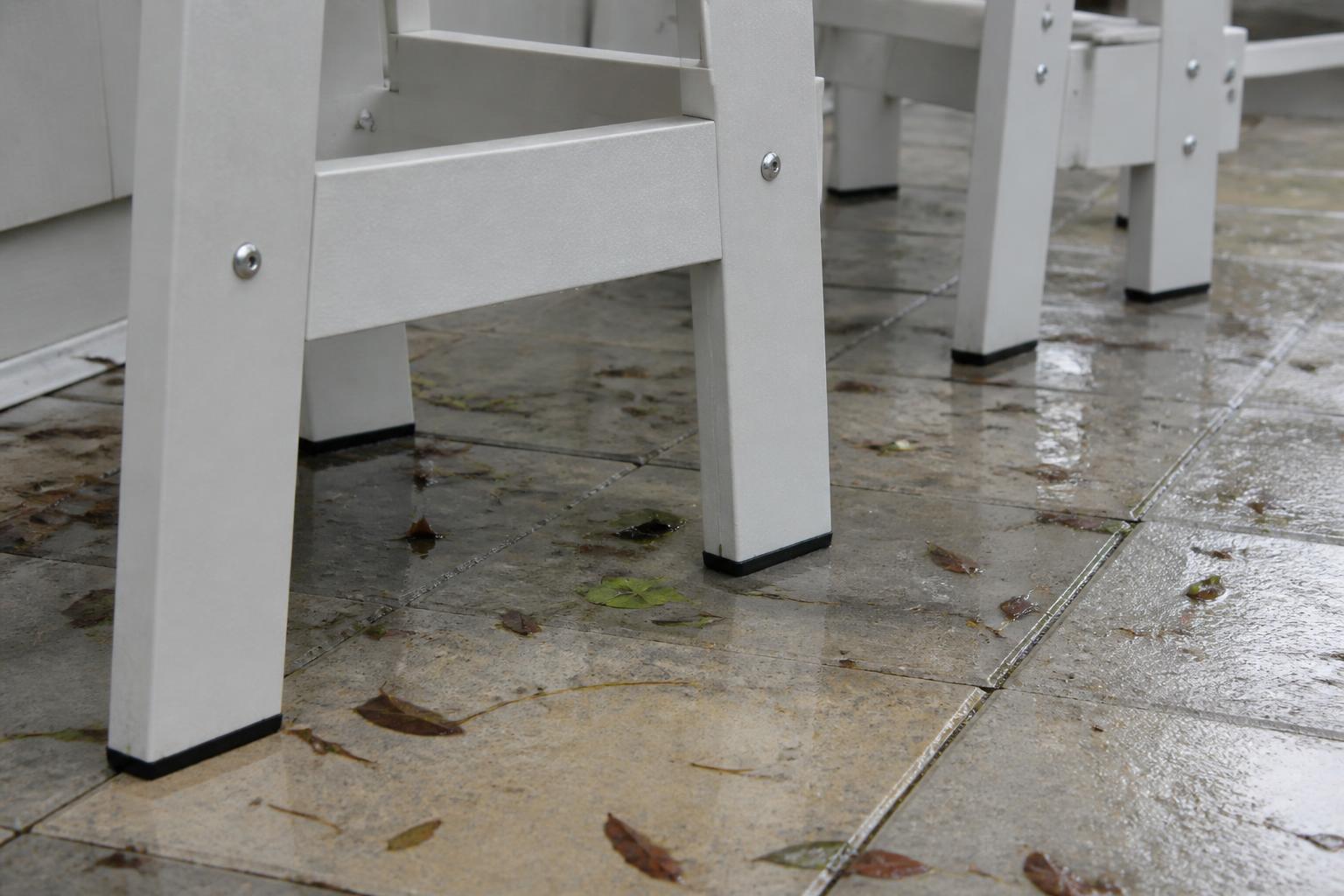
The biggest issues are usually trapped moisture, grime buildup, and hardware neglect. Furniture that holds water in hidden spots tends to stay wet longer. Tight furniture groupings can reduce airflow and slow drying. If pieces are difficult to clean, dirt and pollen can turn into a stubborn film after repeated rain. And if owners never inspect bolts or connections, small problems can be missed until a chair or table feels loose.
Houston homeowners also need to think beyond normal rain. In low-lying or flood-prone areas, furniture may need to be moved quickly ahead of major weather events. A patio setup that is manageable before a storm is often better than one that only looks impressive on a clear day.
Choose a material that handles moisture without constant upkeep
For this climate, material selection matters more than trend chasing. Plastic Furniture To Go builds its outdoor furniture from Marine Grade Polymer, a practical choice for patios exposed to humid air and repeated rain. The material does not need painting, staining, or sealing as part of normal ownership, which helps simplify maintenance in a region where outdoor surfaces rarely stay dry for long.
That matters on everyday Houston patios, but it matters even more after a wet week when you want to wipe down furniture and get back outside instead of planning another refinishing project. Marine Grade Polymer also pairs with 3/16-inch stainless steel hardware, an important detail for exterior furniture that lives through moisture, cleanup, and seasonal weather shifts.
Use product weight to plan handling and storage before severe weather. The Hampton Adirondack Chair weighs 52 pounds, the Armless Cafe Chair 27 pounds, the Counter Height Stool 21 pounds, and each Hampton end table 15 pounds. Arrange any help needed to move them safely; these figures are not wind or load ratings.
If your patio also faces intense summer sun, you may want to read more about planning for heat exposure in this related guide on patio furniture for Texas heat.
Set up your patio so water can move away from the furniture
Even the right furniture material benefits from smart placement. The goal is to avoid creating little wet zones where water pools under legs, between closely packed pieces, or against walls and planters.
Start by looking at how your patio actually drains during a hard rain. Many outdoor layouts are designed on dry afternoons, but Houston storms reveal where runoff collects. If one corner of the slab stays wet for hours, that is not the best location for your main seating cluster. A slightly more open area with better slope and better air movement often performs much better over time.
Leave space between chairs, tables, and perimeter walls. That gap does two things: it helps water escape and it allows air to circulate so surfaces dry faster. Furniture pushed tightly together may save room, but it can also trap debris and moisture in the exact places you cannot easily reach with a hose or cloth.
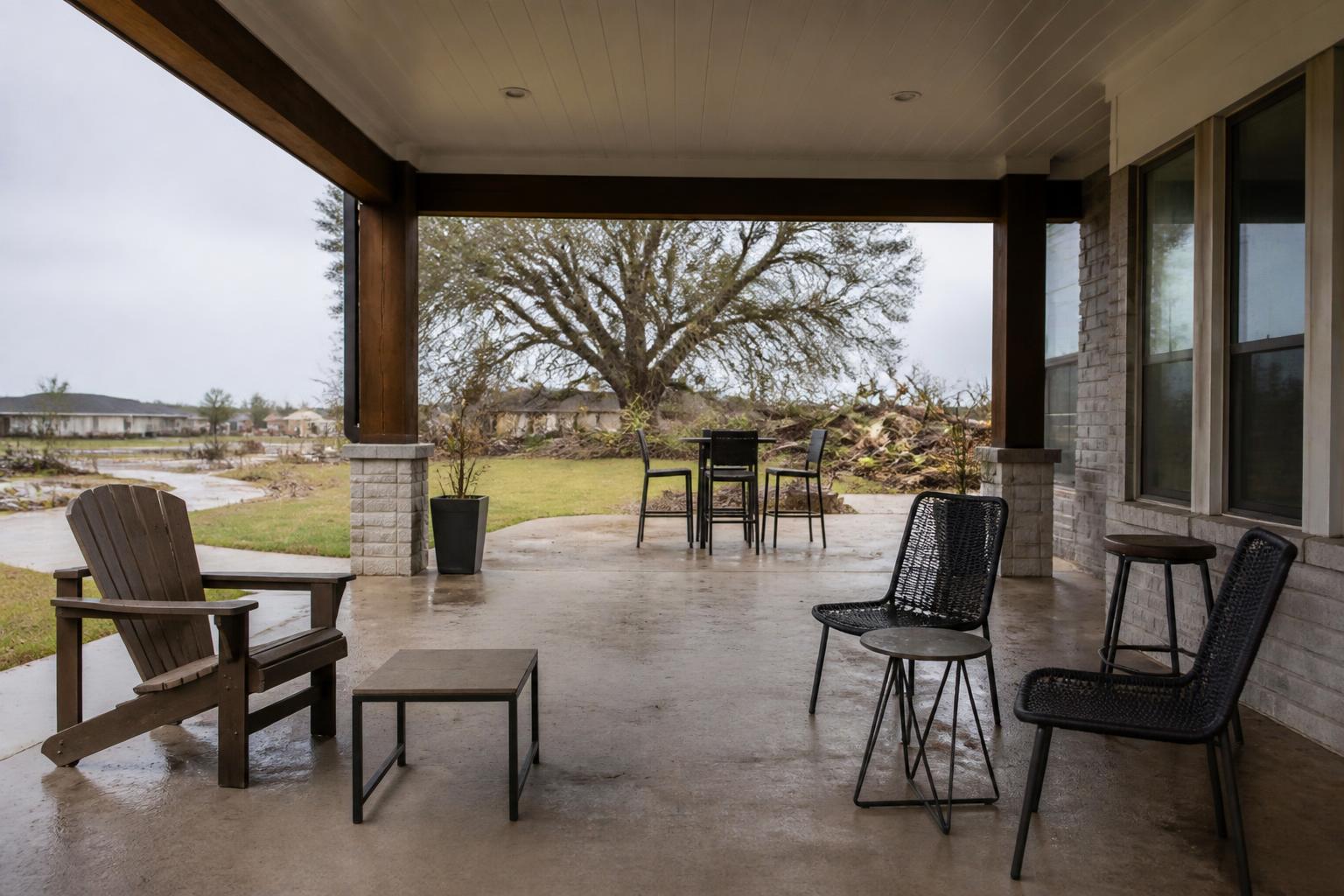
On covered patios, remember that roof protection is only partial during wind-driven rain. Corners and outer edges can still get soaked. Arrange your heaviest-use seating where it is less likely to take direct splashback from the yard or repeated runoff from roof lines.
Prioritize airflow, especially in covered or enclosed patios
Humidity is not just about rainfall. In Houston, furniture can stay damp because moist air hangs around and drying slows down. That is why airflow should be treated like part of your patio design, not an afterthought.
If your setup is under a covered structure, avoid packing every inch with seating. A little breathing room around chairs and tables helps the area dry after overnight condensation, lawn irrigation overspray, or a midday storm. Furniture placed too close to fencing, masonry, or dense landscaping tends to remain in a muggy pocket longer than furniture sitting in a more open pattern.
Airflow also makes cleanup easier. When surfaces can dry promptly after rinsing, they are less likely to hold onto the streaky film that often follows a mix of dust, pollen, and rain. This is especially useful near pools, outdoor kitchens, and garden beds where splatter and residue are common.
For smaller patios, try using fewer larger anchor pieces instead of many tightly nested items. A clean layout with a couple of chairs and an end table can perform better in wet weather than an overcrowded arrangement that never fully dries between storms.
Pay attention to standing water after storms
Standing water is one of the clearest signs that a patio needs adjustment. If puddles repeatedly form under chairs or around table legs, change the layout instead of just waiting for the next sunny day. Repeated soaking in the same area can leave behind dirt rings, make routine cleaning more annoying, and turn that part of the patio into a low-use zone.
After a heavy rain, walk the space and look for these clues: darker damp patches that linger, muddy splash marks on lower furniture surfaces, debris lines showing where water traveled, and corners where leaves collect. Those details tell you more than a floor plan ever will.
Sometimes a simple rotation solves the problem. Moving a dining set a few feet away from a drainage path or spreading lounge pieces farther apart can improve drying noticeably. If water routinely backs toward the house or pools deeply in the yard next to the slab, your furniture plan should account for that reality instead of ignoring it.
When severe weather brings broader flooding concerns, monitor official alerts and move furniture before conditions deteriorate. The National Weather Service flood safety guidance is a useful reference for understanding the risks around rising water and travel during flood events: flood safety information.
Inspect hardware and connections on a simple schedule
Rain does not just affect visible surfaces. Outdoor furniture should be checked periodically at connection points, especially after a season of heavy storms or after moving pieces around the patio. A quick inspection is usually enough.
Look for loose connections, uneven alignment, or unfamiliar movement. Stop using a piece with unresolved instability or damage, and follow the product instructions or contact the seller before adjustment. PFTG uses 3/16-inch stainless steel hardware; record that specification with the assembly and inspection guidance.
This matters more on active patios where furniture gets rearranged often for parties, storm prep, or seasonal cleaning. The movement itself is not a problem, but a routine look at fasteners can help you catch small issues early. A five-minute inspection a few times a year is easier than discovering a loose connection in the middle of a gathering.
If you want the official coverage details for long-term ownership, see the returns and warranty page. Plastic Furniture To Go offers a 7-year structural warranty and a 5-year fade warranty.
Use a cleanup routine that matches Houston’s storm cycle
Outdoor furniture in Houston usually gets dirty in layers. First comes pollen or dust, then a rain shower turns it into a film, then leaves or yard debris stick to damp surfaces. That means a practical cleanup routine should be simple enough to repeat often.
For most situations, start by removing loose debris after storms so leaves and grit do not sit in corners or under furniture. Then wipe or rinse surfaces as needed. The main goal is consistency. A quick post-storm cleanup is usually easier than letting residue build through several wet weeks.
It also helps to check around the feet of chairs and tables. Mud splash and blown mulch can collect there, especially near planting beds. If your patio borders grass, keeping that transition area neat can reduce the amount of mess that gets tracked or splashed onto the furniture during rain.
One useful habit is to reset the layout after cleaning rather than sliding everything back into the tightest possible arrangement. Leaving a little drying space between pieces helps the patio recover faster before the next round of humidity arrives.
Make storm prep easier by choosing movable, useful pieces
Not every outdoor setup needs to be large or complicated. In Houston, a practical collection of chairs, stools, and small tables can be easier to manage through storm season than a crowded layout with too many items to shift quickly.
Plan how your patio will be used on an ordinary weekend and how every loose item will be stored or appropriately secured before severe weather. Check access routes, available storage, and the help needed for handling. Follow local alerts and prepare before outdoor work becomes dangerous.
This does not mean your patio should look temporary. It means every piece should earn its place. A layout with clear pathways, modest spacing, and furniture that can be shifted with a plan tends to perform better in real life than a magazine-style arrangement that ignores weather altogether.
For homes in areas with recurring water issues, consider storing your most movable accessories or regrouping furniture earlier than you think necessary when serious rain is forecast. The best time to prepare is before walkways are slick, the yard is saturated, and the weather has already turned.
Frequently Asked Questions
How much space should I leave between patio furniture pieces in Houston?
There is no single perfect measurement, but leaving enough room for drainage, airflow, and easy cleaning is the goal. If chairs, tables, and walls are packed tightly enough that water and debris get trapped, spread the layout out a bit. A slightly more open arrangement usually dries faster after rain.
What should I do after a heavy rain if water pooled around my furniture?
Remove debris, let the area drain, and check whether the pooling happened because of the furniture placement or the patio slope. If the same spot stays wet after every storm, move the furniture to a better-draining part of the patio rather than putting it back in the same puddle zone.
How often should I inspect outdoor furniture hardware?
A few times a year is a practical baseline, with extra checks after storm season or after moving furniture often. Look for looseness, wobble, or alignment changes. A quick inspection helps keep chairs and tables feeling steady and ready for regular use.
Is lighter or heavier patio furniture better for Houston storms?
Use product weight to plan safe handling and storage. Weight does not establish wind resistance; give every loose item an indoor-storage or appropriate securing plan and follow local weather guidance.
Planning for Houston weather starts with material, spacing, drainage, and a setup you can actually manage. If you are ready to upgrade your outdoor space, browse the shop at Plastic Furniture To Go or use the contact form to ask about the best pieces for your patio layout.