Wind exposes the weak points in outdoor furniture fast. Chairs that feel solid on a calm afternoon can slide, tip, or bang into nearby pieces once gusts pick up, especially on open patios, pool decks, rooftops, and uncovered yards.
If you have been asking how heavy should patio furniture be for wind, the practical answer is that weight matters for everyday stability, but it is never a substitute for storing or securing furniture before severe weather. A well-built chair or table should feel substantial in normal breezes, yet no loose furniture should be treated as storm-proof.
Weight helps, but only up to a point
Furniture weight does two useful things in ordinary outdoor conditions. First, it reduces small movements caused by routine gusts, people brushing past, or uneven patio surfaces. Second, it helps a piece feel planted when someone sits down, stands up, or shifts position.
That said, wind force rises quickly as conditions worsen. A chair that stays put through a breezy spring afternoon may still tip or travel during a thunderstorm, tropical system, or strong frontal passage. Shape also matters. Broad backs, wide tabletops, and tall profiles can catch more air than low, compact pieces, so a heavier item is not automatically safer in all conditions.
A better way to think about wind performance is this: substantial weight is helpful for daily use, but once strong weather is in the forecast, the correct move is to relocate, stack if appropriate, or otherwise secure the furniture. For hurricane preparation and official weather guidance, review NOAA hurricane preparedness recommendations.
What counts as “heavy enough” for everyday patio use
For normal backyard conditions, many shoppers are really looking for furniture that does not feel flimsy. In practical terms, a lightweight chair can be easy to carry but more likely to shift around your deck or patio. A more substantial chair is usually better for exposed settings, especially if your home regularly gets afternoon gusts, coastal breezes, or open-field wind.
As a general rule, smaller occasional pieces need enough mass to avoid skittering, while seating should feel stable both empty and occupied. End tables are often the first items to move because they have less contact with the ground and can be positioned in exposed corners. Stools and armless dining-style seating can also shift more easily than deep, broad lounge seating.
That is one reason material and construction matter as much as raw weight. Outdoor furniture made from Marine Grade Polymer is valued for its solid feel and low-maintenance durability, but the smartest setup still matches the furniture type to the exposure of the space.
Confirmed furniture weights that give useful real-world context
Specific product weights are more helpful than vague labels like “heavy-duty.” Here are confirmed weights for several Plastic Furniture To Go pieces:
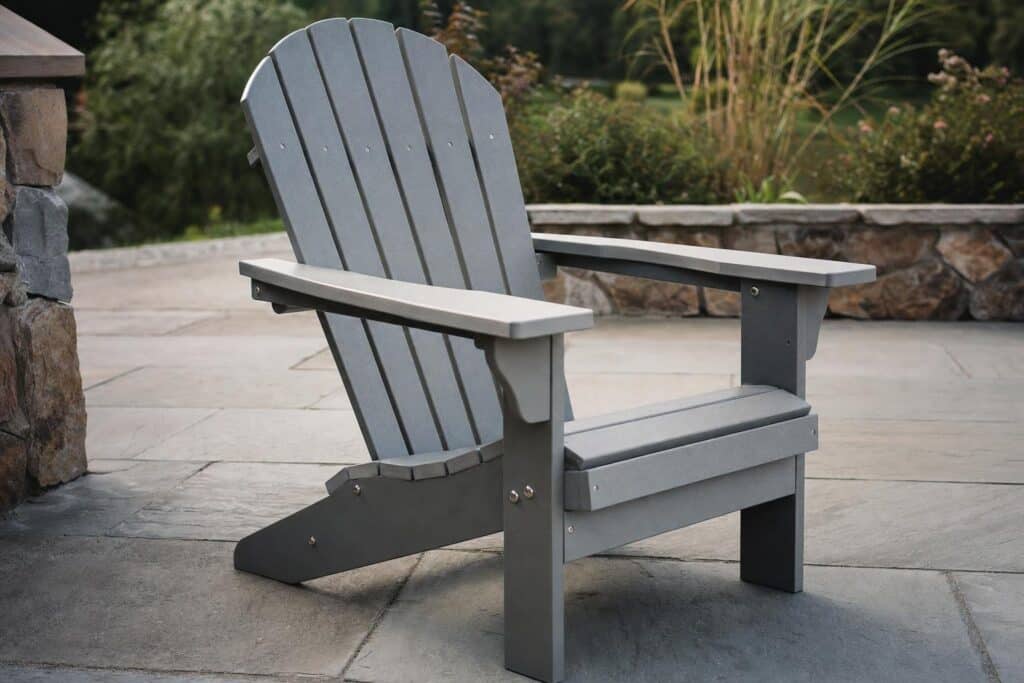
- Hampton Adirondack Chair: 52 lb
- Armless Cafe Chair: 27 lb
- Counter Height Stool: 21 lb
- Hampton round end table: 15 lb
- Hampton square end table: 15 lb
Those numbers illustrate how furniture category affects stability. A 52-pound Adirondack chair has a very different presence on a patio than a 15-pound end table. The larger chair combines greater mass with a lower, wider lounging profile, which can help it feel more settled in routine wind. By contrast, smaller accent pieces are easier to reposition and easier for gusts to nudge.
If you are comparing layouts, think in sets rather than individual items. A patio arrangement anchored by heavier lounge seating may behave differently than a bistro setup with lighter chairs and tables, even when all pieces are made for outdoor use.
How furniture shape changes wind behavior
Two pieces can weigh the same and still respond differently outside. Wind does not only push against the ground contact of a chair or table. It also presses against exposed surfaces, creating lift, drag, and tipping force.
Here are a few examples:
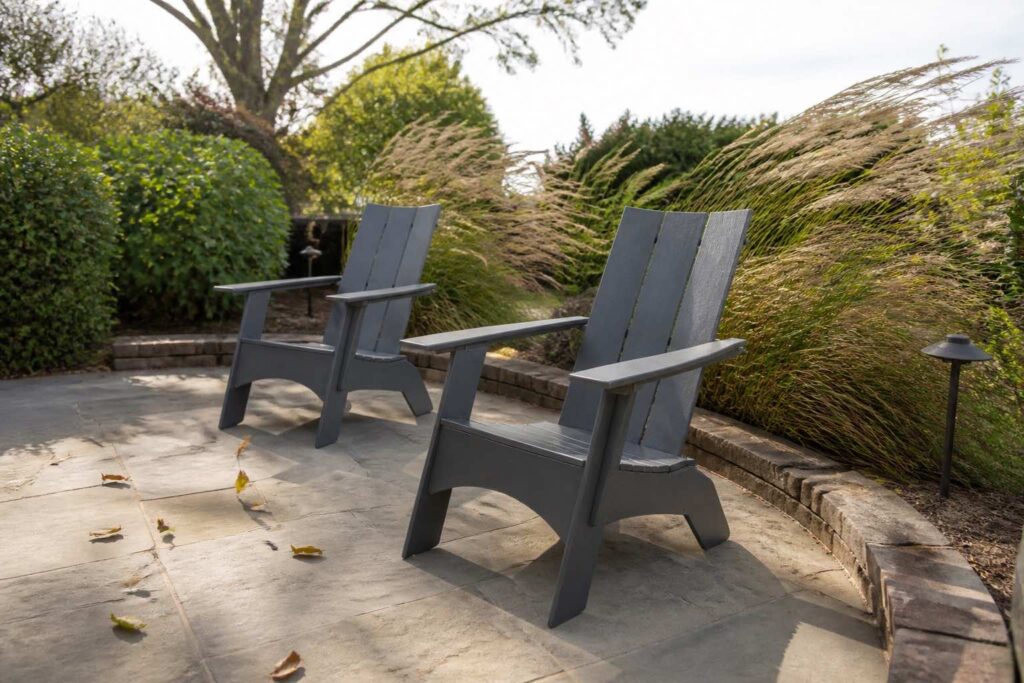
- Adirondack chairs often have broad backs, but their reclined posture and substantial footprint can help them feel stable in everyday breezes.
- Counter stools sit higher off the ground, so their profile can make them more exposed on elevated decks or outdoor bar areas.
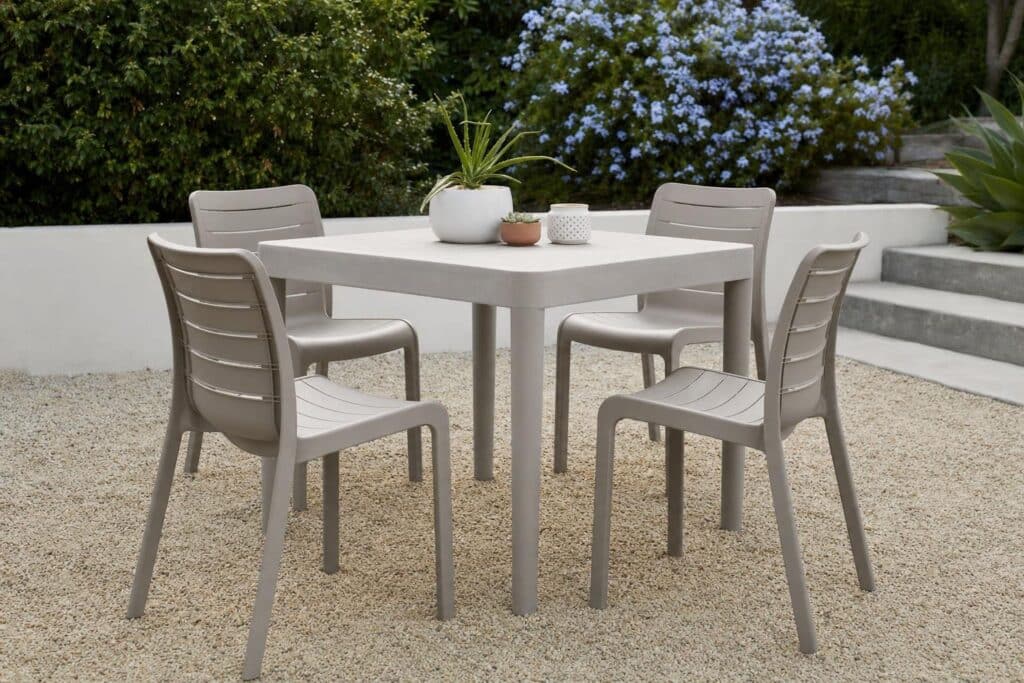
- Armless cafe chairs are versatile and compact, but they are lighter than lounge seating and may need more attention in open spaces.
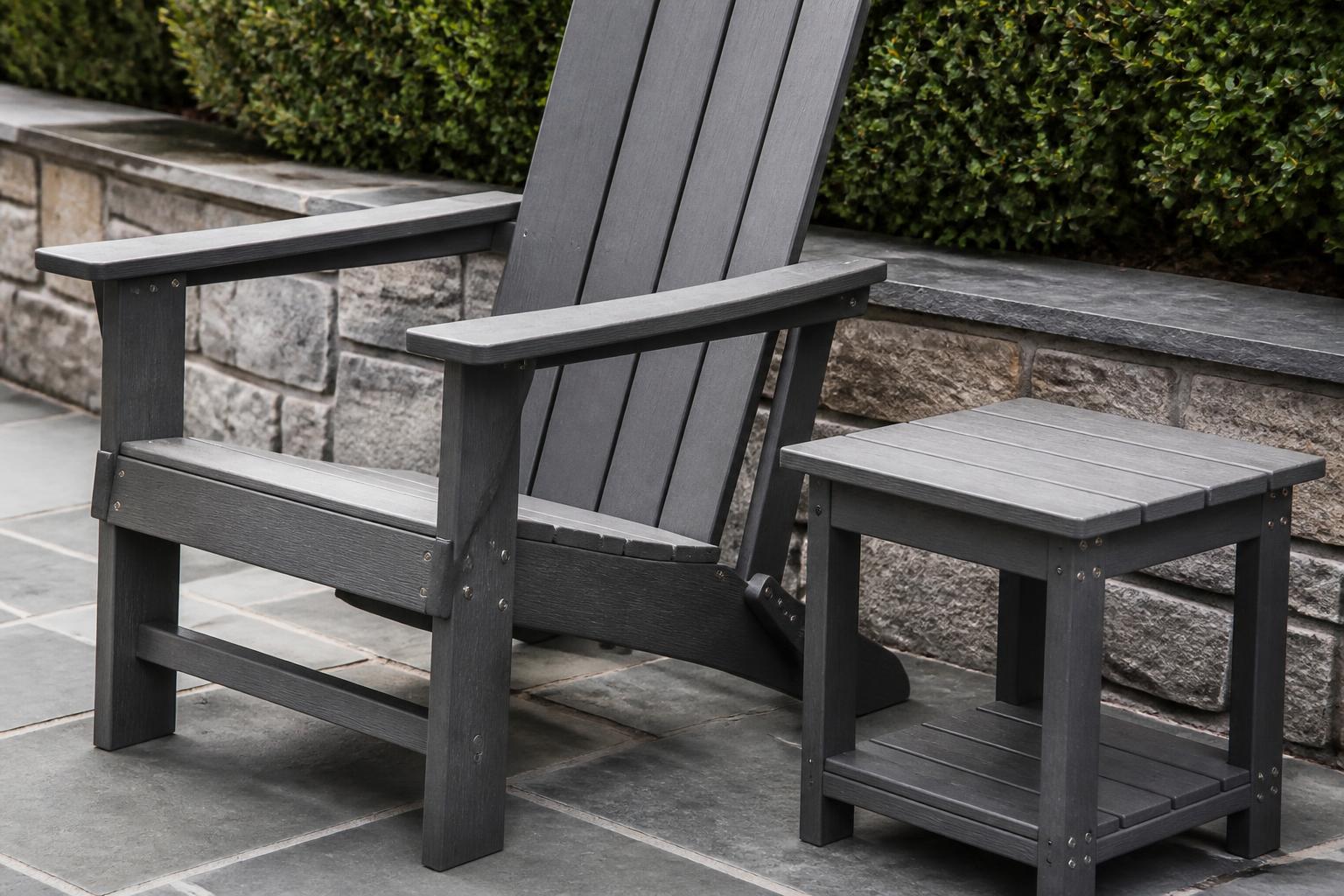
- End tables have a smaller footprint and lower weight, so they should not be left loose in severe weather.
This is why buying the heaviest furniture available is not always the full answer. A balanced combination of weight, shape, seat height, and placement usually produces better day-to-day results than weight alone.
Placement matters almost as much as product weight
Where furniture sits can either reduce or increase wind exposure. A chair tucked near the house, inside a screened enclosure, or behind a sturdy privacy wall usually deals with less direct force than the same chair placed at the edge of a dock, rooftop, or pool deck.
Pay close attention to these exposure factors:
- Corner areas where wind funnels and speeds up
- Elevated decks and balconies
- Wide open concrete or paver patios with no windbreaks
- Properties near water, fields, or unobstructed coastlines
- Rooftop or upper-level outdoor spaces
If your patio is especially exposed, heavier seating can make everyday use more comfortable because you are not constantly straightening chairs after minor gusts. But highly exposed layouts still require a storm plan. Before bad weather arrives, move smaller pieces first, then address seating, stools, and accessories.
Material and hardware also affect long-term stability
Outdoor furniture is not just dealing with wind. It also has to handle moisture, sun, and repeated use without loosening up over time. A piece that starts solid but wobbles after seasons outdoors is less reassuring in windy conditions than one that keeps its structure.
Plastic Furniture To Go furniture is American Made and built with 3/16-inch stainless steel hardware. That hardware detail matters because connections and fasteners contribute to the overall feel of the piece, especially after years of outdoor exposure. The furniture also includes a 7-year structural warranty and a 5-year fade warranty.
For shoppers comparing categories, this is a better checklist than marketing buzzwords: look at actual product weight, the profile of the furniture, hardware quality, and how the piece will be used in your space. A low lounge chair by the fire pit has different needs than stools around an outdoor counter.
When to move, stack, or secure furniture
The dividing line is simple: if severe weather is expected, do not rely on furniture weight alone. Even substantial outdoor seating can become a hazard in strong winds. Cushions, planters, side tables, and stools should be handled early because they are often the quickest items to move.
A practical approach is to sort your patio into three categories:
- Everyday stable: pieces that stay put during normal breezes and regular use
- Watch list: lighter chairs, stools, and tables that may need attention when wind picks up
- Storm action items: all loose furniture and accessories when severe weather is forecast
If your area is heading into a tropical event, strong thunderstorm line, or high-wind advisory, bring what you can into a garage, storage area, or other protected space. If indoor storage is limited, prioritize the smallest and lightest pieces first. Weight can buy peace of mind in daily conditions, but it should never lead to complacency when a real storm is coming.
Choosing the right pieces for a wind-prone patio
For many shoppers, the best answer is not a single magic number. It is choosing furniture with enough substance for routine conditions, then using common sense during major weather events.
If you want a more grounded feel for lounging, the Hampton Adirondack Chair at 52 pounds offers a useful benchmark for substantial outdoor seating. If your layout includes dining or casual conversation areas, remember that a 27-pound Armless Cafe Chair and a 21-pound Counter Height Stool serve different purposes and will react differently in exposed spots. And at 15 pounds each, round and square Hampton end tables are convenient companions, but they should be part of your first round of storm prep.
It also helps to think about shipping and setup before you buy. Plastic Furniture To Go offers free nationwide shipping, so you can plan a full patio layout around your climate and exposure without needing to visit a public showroom.
Frequently Asked Questions
Is heavier patio furniture always better for wind?
Not always. More weight usually helps with routine breezes, but shape, height, and placement matter too. A heavier piece can still tip or move in severe weather, so storm prep is still necessary.
What patio pieces usually move first in wind?
Smaller tables, stools, lightweight chairs, cushions, and loose accessories tend to shift first. In the confirmed Plastic Furniture To Go lineup, 15-pound end tables will generally need attention before a 52-pound Adirondack chair.
Can I leave heavy outdoor furniture outside during storms?
You should not assume any loose furniture is safe to leave out during severe weather. For strong storms, tropical systems, or hurricane conditions, move or secure furniture well before conditions worsen.
How can I shop smarter for a windy location?
Look for actual published product weights, durable outdoor materials like Marine Grade Polymer, quality hardware, and a furniture profile that fits your space. Then make a plan for where the furniture will go when major weather is in the forecast.
Planning for a specific region? Our guides to outdoor furniture for Arizona heat and patio furniture for Texas heat cover regional layout and weather considerations.
If you are planning a patio that feels more stable in everyday wind, browse the shop and compare product weights, layouts, and materials to find the right fit for your space.