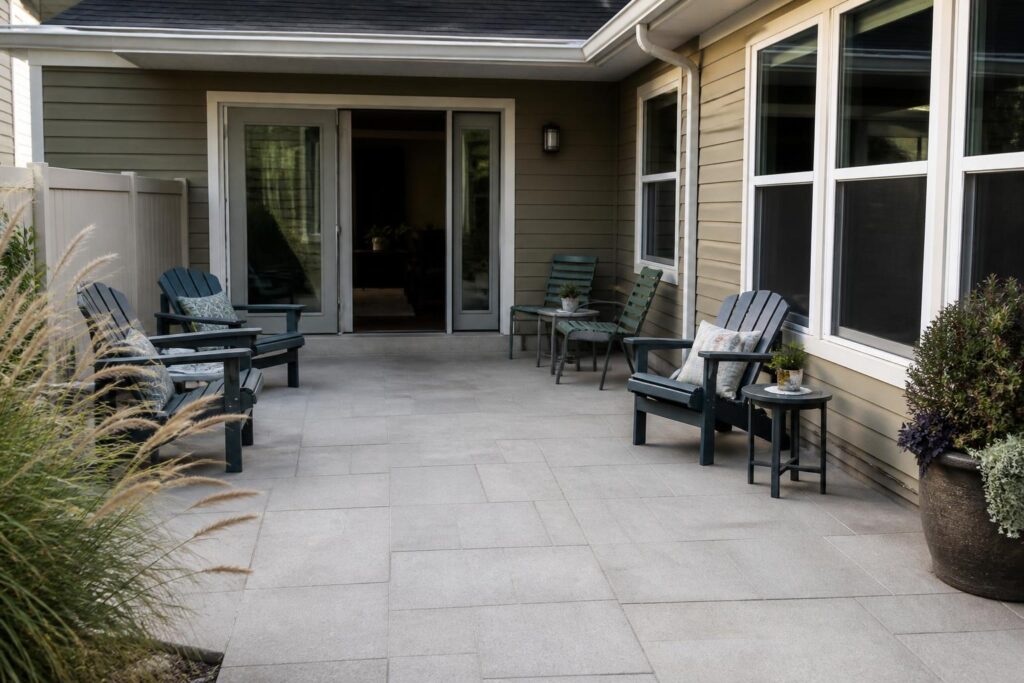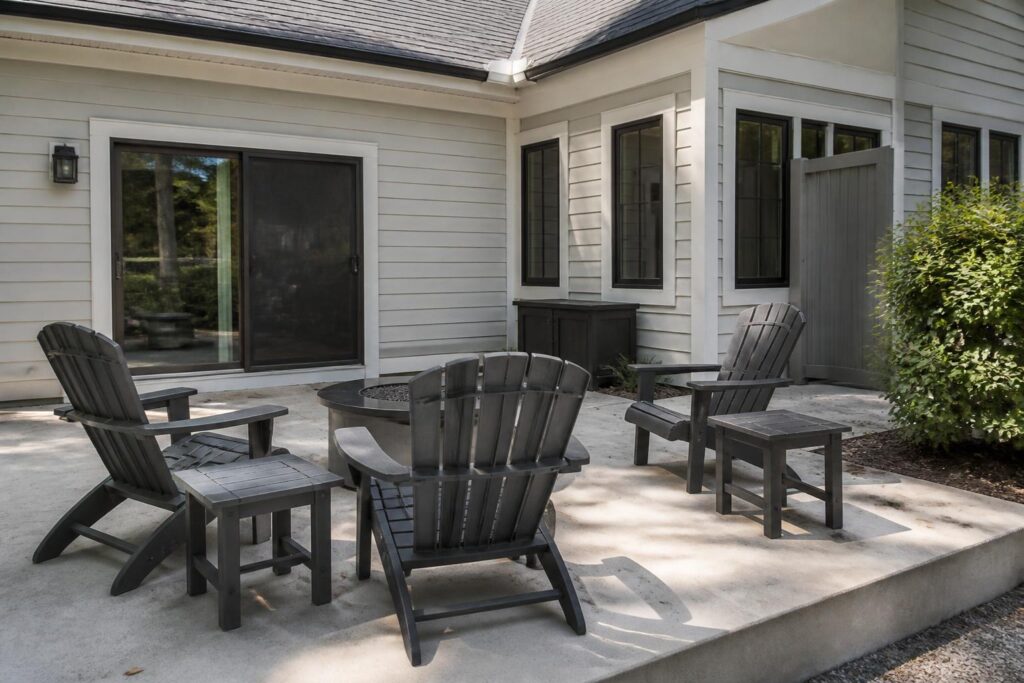

If you live somewhere that gets a real summer storm season, monsoon season patio preparation is one of those chores that pays off in a single afternoon. The winds arrive faster than the forecast suggests, dust rolls in ahead of the rain, and lightweight furniture starts a slow migration across the yard. A little planning ahead of the first big cell keeps cushions dry, tables intact, and your outdoor setup ready to use the next morning. This guide walks through what to secure, what to stow, and how to build a routine that takes about twenty minutes when the National Weather Service pushes an alert to your phone.
Understanding What Monsoon Storms Actually Do to a Patio
Before you buy tie-downs and covers, it helps to know exactly what you’re defending against. Monsoon storms combine three separate stressors, and each one damages patios differently. Wind gusts during a strong microburst can hit 60 to 80 mph – enough to lift a light bistro chair, flip a market umbrella inside out, or slide a glass-top table across a deck. Rain arrives at rates that overwhelm gutters and can dump one to two inches in under an hour, pooling anywhere a surface isn’t graded to drain. And ahead of the rain, a wall of dust can coat every horizontal surface with a fine grit that behaves like sandpaper if you try to wipe it off dry.
The order of arrival matters. Dust usually gets there first, then wind, then rain. That means your dust-covered cushions and tabletops get scoured by wind-driven grit before the rain washes it into muddy streaks. Understanding this sequence is why good monsoon season patio preparation focuses on stowing soft goods early rather than trying to clean up afterward. If you’ve spent any time reading about outdoor furniture in desert climates, you already know how punishing the combination of UV, heat, and abrasive dust can be – storm season simply concentrates months of wear into a single afternoon.

The Two-Week Head Start: What to Do Before Storm Season Opens
Most storm seasons have a fairly predictable opening window. Use the two weeks before that window to do the work you won’t want to do in the middle of a wind advisory. This is when you inspect, replace, and reorganize – not when you’re rushing to beat a wall cloud.
Inspect Every Fastener and Joint
Walk your patio with a screwdriver and a wrench. Tighten any hardware on chairs, tables, umbrellas, and railings. Look at umbrella bases – a 50-pound base is the minimum for most freestanding umbrellas, and 75 to 125 pounds is safer for larger canopies. Check pergola bolts, string light anchors, and any wall-mounted brackets. Storms exploit the loose fastener you meant to fix last September.
Clear the Drainage Path
Water on a patio has to go somewhere. Clean gutters, downspouts, and any French drains near the slab. Sweep out expansion joints. If you have planters sitting directly on pavers, lift them onto pot feet so water can flow underneath instead of pooling and staining the stone.
Rethink What Lives Outside
Plan storage or appropriate securing for every loose outdoor item, including furniture, planters, and decor. Weight alone does not prevent an object from tipping or moving, and grouping it against a wall is not a reliable securing method. Prepare before dangerous weather; personal safety takes priority once a storm arrives.
Building a Storm-Ready Furniture Layout
How your furniture is arranged matters as much as what it’s made of. A patio designed for storm season looks a little different from one designed purely for lounging. The goal is to reduce wind exposure, eliminate tipping hazards, and make cleanup fast.
Start by identifying your prevailing storm wind direction. In many regions, monsoon cells push wind from the southeast or south before shifting. Position your heaviest, most stable pieces on the windward side so they act as a partial break for lighter items. Push seating groups closer together during storm season – a cluster of chairs around a table is harder to move than the same chairs spaced eight feet apart.
Check the construction of the specific piece: plastic furniture can still have metal hardware, joints, and separate components. Plastic Furniture To Go uses Marine Grade Polymer with stainless steel hardware. Product weight does not establish wind resistance. Plan how each chair and table will reach storage before a storm rather than treating a material switch as storm protection.
Leave clear pathways. You want to be able to move six to eight pieces of furniture to shelter in under ten minutes when a warning is issued. If you have to climb over a fire pit and squeeze between planters to reach the chairs, you won’t do it. Measure a straight-line path from your seating area to your garage, shed, or covered porch and keep it obstacle-free from June through September.

The 20-Minute Storm Prep Checklist
When the alert hits your phone, you need a routine you can run without thinking. Print this or save it in your notes app so you’re not inventing a plan at 4 p.m. with a wall of dust three miles out.
- Close and secure umbrellas. Crank them down, tie the canopy, and either lay them flat or bring them inside. An open umbrella in a 60 mph gust is a sail attached to a spear.
- Bring cushions inside. Even weather-resistant cushions absorb water, get flung around, or catch grit. A large plastic storage bin in your garage holds a full patio set’s worth.
- Stow lightweight items. Small side tables, decorative lanterns, planters under 20 pounds, doormats, and anything with a lid go inside or into a shed.
- Cluster heavy furniture. Push remaining chairs and tables against an interior wall or into a tight group. Tables laid on their sides catch less wind than tables standing upright.
- Check the grill. Close the lid, lock the wheels, and if it’s under 60 pounds, wheel it against the house. Detach and stow the propane tank per manufacturer guidance.
- Clear the drains one more time. A leaf pile that was fine yesterday can dam a downspout today. Thirty seconds with a rake is cheap insurance.
- Photograph the patio. Quick phone photos before the storm document conditions in case you need to file an insurance claim afterward.
Practice the routine once in calm weather. You’ll find the choke points – the cushion that doesn’t fit through the door, the umbrella crank that sticks – and you can fix them before they matter.
Choosing Furniture That Actually Handles Storm Season
If you’re replacing pieces this year, storm resilience should sit alongside comfort and style on your list. A few characteristics separate patio furniture that survives a decade of storm seasons from furniture that becomes yard debris.
Weight distribution matters more than raw weight. A chair with a wide, low base resists tipping better than a heavier chair with a narrow footprint. Look for pieces where the widest point is at or near the ground. Solid materials outperform hollow ones – hollow resin chairs are cheap for a reason, and that reason becomes obvious in a microburst.
Recycled plastic and HDPE-style poly furniture as a category has become popular for storm-prone patios because it doesn’t rot, rust, fade quickly, or absorb water. The Environmental Protection Agency has good background reading on recycling and recycled-content products if you want to understand where the raw material comes from. When shopping, ask about UV stabilization, hardware grade (stainless steel is standard for quality outdoor pieces), and warranty terms – a serious manufacturer will publish both a structural and a fade warranty in writing.
End tables and side tables deserve special attention because they’re the pieces most likely to walk away in a gust. A solid poly table like the Hampton Square End Table sits low, has a broad base, and won’t blow around the way a hollow accent table will. Pairing heavier tables with your seating creates natural anchor points across the patio.
Finally, think about post-storm cleanup. Furniture you can hose off in five minutes beats furniture that requires cushion covers to be laundered, wood to be re-oiled, or metal to be treated for rust spots. Storm season rewards simple materials that don’t hold water or stain.
After the Storm: Cleaning Up Without Making Things Worse
Once the cell has passed and it’s safe to be outside, resist the urge to start dry-wiping everything. Dust plus moisture creates a mud film that streaks and grinds. The right sequence is rinse, wash, dry, reset.
Start with a garden hose on a gentle spray to flood dust off horizontal surfaces. Work top-down: umbrella canopies, then tabletops, then chair seats, then the deck or patio itself. Once loose grit is gone, mix a bucket of mild dish soap and warm water – about a tablespoon of soap per gallon – and wipe surfaces with a soft cloth or sponge. Rinse again and let air dry.
Inspect for damage while things are drying. Check hardware you tightened two weeks ago and re-tighten anything that loosened. Look for cracks around joints, especially on umbrella ribs and chair arms. Photograph anything broken before you move it.
Check your drainage one more time. Storms deposit leaves, twigs, and roof grit into every low spot, and the next storm is often only days away. Clearing gutters and drains after each storm is faster than clearing them once at the end of the season.
Finally, reset the layout. If you moved cushions inside, air them out on a dry surface before returning them to chairs – trapped moisture leads to mildew even on synthetic covers. Return decor to its usual spots only when the forecast shows a real gap in storm activity.
Frequently Asked Questions
How much wind can typical patio furniture actually handle?
There is no universal wind-speed threshold at which outdoor furniture stays put or becomes unsafe. Shape, placement, surface, and securing method matter alongside weight. Use the forecast and local alerts to prepare early, bring loose items indoors or secure them appropriately, and stay sheltered once conditions become dangerous.
Are furniture covers worth using during storm season?
Covers help against dust and UV but create their own problems in high wind. A loose cover becomes a sail, and a tight cover can trap moisture against surfaces and cushions. If you use covers, choose ones with straps or ties that fully secure to the furniture, and remove them before major wind events. For storm-only protection, bringing cushions inside is usually more effective than covering them in place.
What should I do about a patio umbrella I can’t bring inside?
First, always close and tie the canopy – never leave one open during storm season, even briefly. If the umbrella lives in a table, remove it and lay it flat along a wall or fence. If it’s a large cantilever umbrella, weight the base beyond the manufacturer minimum and secure the pole to a fixed anchor. Any umbrella you can’t fully secure should come down for the season.
How do I keep cushions from getting moldy between storms?
Store cushions somewhere dry and ventilated – a garage shelf works better than a sealed deck box that traps humidity. If cushions get wet, stand them on edge to dry both sides rather than laying them flat. A fan pointed at damp cushions for a few hours prevents the mildew that forms within 24 to 48 hours in humid weather. Sunlight also helps once storms clear.
At Plastic Furniture To Go, we build American-made outdoor furniture factory-direct and ship it free anywhere in the country, which makes it easier to plan a storm-season refresh without paying more than the furniture is worth in freight. If you’re rebuilding a patio that took a beating this year, browse the Hampton Square End Table and the rest of the collection, or send questions through our contact page – we’re glad to help you think through what will hold up where you live.