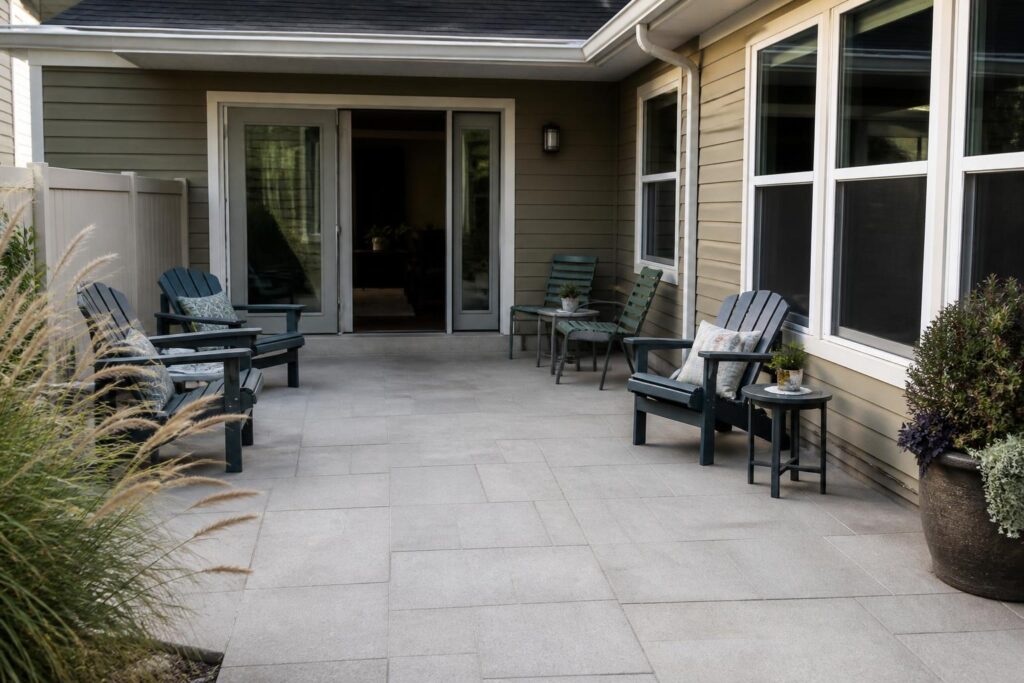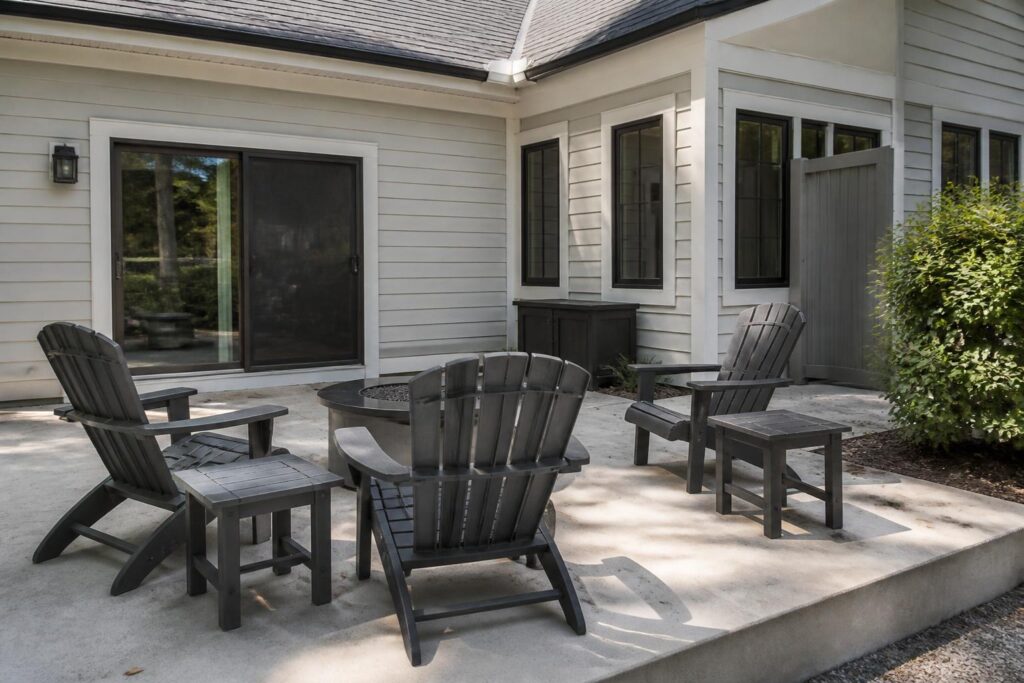

A good multigenerational patio seating layout should feel easy for everyone to use, not just look coordinated in a photo. The goal is to create a space where grandparents, parents, teens, and younger kids can all sit comfortably, move around safely, and join the same conversation without forcing everyone into one seating style.
That usually means mixing seat heights, preserving open paths, and placing tables where they are actually useful from more than one chair. It also helps to choose durable, American Made outdoor furniture in Marine Grade Polymer that can stay attractive through regular use, with free nationwide shipping making it easy to build the setup online.
Start with sitting styles, not matching sets
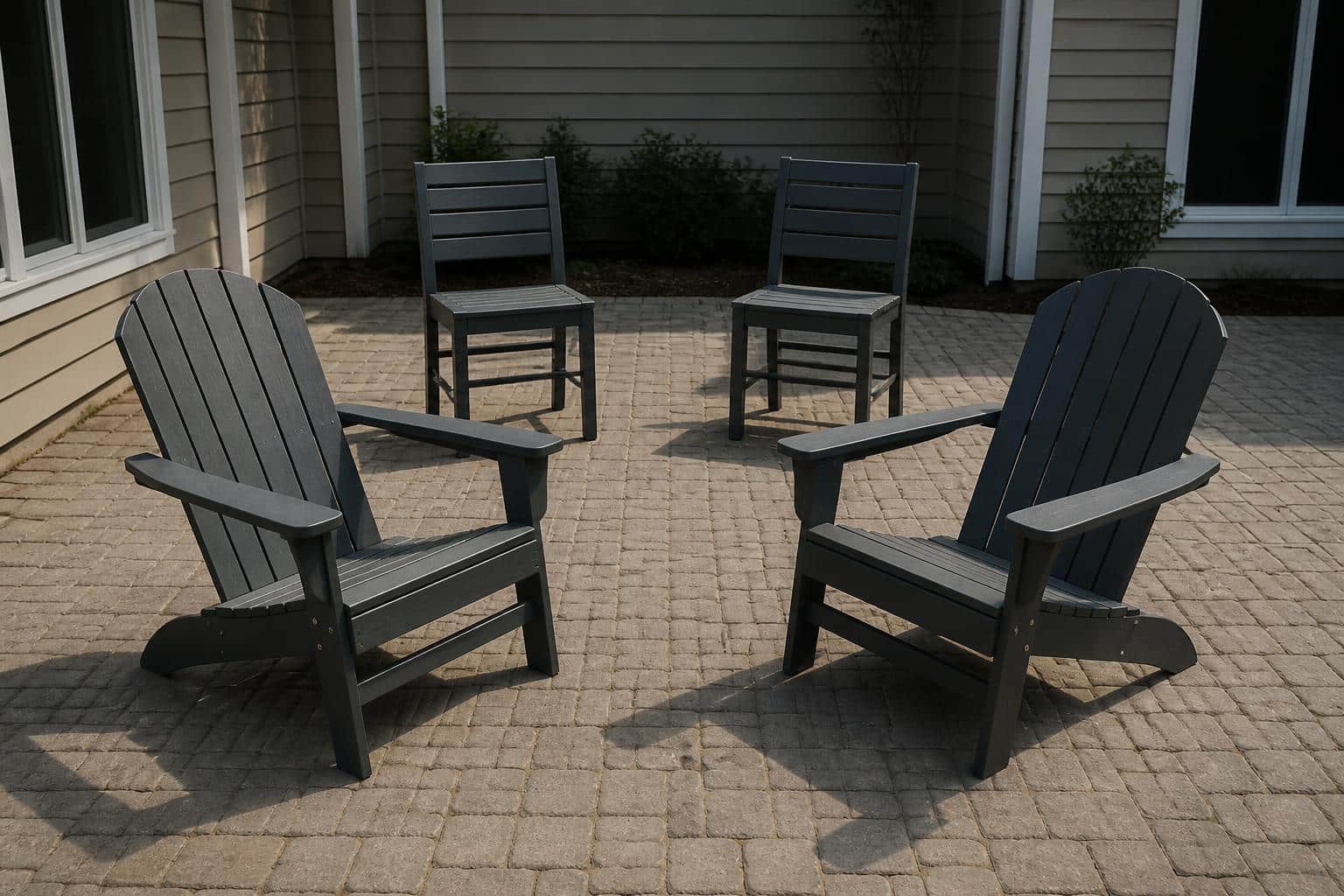
The fastest way to make a patio less comfortable for a mixed-age household is to assume everyone wants the same seat. Some people prefer a deep lounge angle for long conversations. Others want an upright chair that is easier to get in and out of during meals, coffee, or quick visits.
Instead of buying one large matching group, begin by listing the ways people actually use the patio. You may need:
Low, relaxed seating for long chats and evening downtime.
Upright seating for dining, reading, or a quick seat with less effort to stand.
Flexible extra chairs that can shift between a table area and a conversation area.
Small tables within easy reach from different seat types.
This is where a mixed arrangement often works better than a single furniture collection. A pair of Hampton Adirondack Chairs can anchor a relaxed zone, while lighter upright chairs such as the Armless Cafe Chair help support guests who want a more standard sitting posture. The Hampton Adirondack Chair weighs 52 lb, while the Armless Cafe Chair weighs 27 lb, so each piece brings a different feel to the layout.
Keep clear routes open from the start
A family-friendly patio should not require people to twist sideways around chair arms or squeeze past table corners. Before deciding where furniture goes, sketch the routes people use most often: from the door to the grill area, from the door to the yard, and from seating to any dining or drink surface.
These paths should stay visually obvious and physically open, even when chairs are occupied. If one person pushes back a chair, the space should still work. If a side table is added, it should not interrupt the main route.
For practical guidance on accessible circulation, review the accessible route guidance from the U.S. Access Board. You do not need to design a commercial space to benefit from the same basic idea: movement should be direct, stable, and uncluttered.
One of the easiest planning habits is to leave the middle more open than you think you need. Push conversation groupings slightly outward, then test whether someone can cross the patio comfortably without weaving between knees, ottomans, or table legs.
Use more than one seat height for comfort
People notice seat height and posture long before they notice color. A multigenerational patio works best when it includes both lower lounge seating and higher, more upright seating.
Low-profile lounge chairs create a calm, casual feeling, but they are not ideal for everyone at every moment. Older adults, guests with limited mobility, or anyone carrying food and drinks may prefer a chair with a more upright position. Younger adults may shift between both zones depending on the activity.
A balanced setup might include:
Two relaxed statement chairs for longer sitting.
Two to four upright dining or cafe-style chairs for flexible daily use.
A stool or two near an outdoor counter or rail if your patio has one.
The Counter Height Stool weighs 21 lb, making it useful when you want a lighter piece for occasional seating. That lighter weight can help when rearranging for extra guests, while heavier anchor pieces maintain stability in the main conversation zone.
The key is not to separate generations into different corners. Mix seating types close enough together that everyone stays part of one shared social space.
Place tables where hands naturally reach
Table placement is often what determines whether a patio feels comfortable or annoying. A beautiful seating area still fails if half the guests have nowhere to set a drink, book, snack plate, or sunglasses.
In multigenerational layouts, side and end tables should support different chair types without favoring only one seat. People in a deep chair should not need to lean far forward. People in upright chairs should not have to stretch across another seat to reach a shared surface.
That is why smaller tables often outperform one oversized central coffee table. Hampton round and square end tables weigh 15 lb each, which makes them easy to position beside different seating styles as your layout evolves.
Try these table placement rules:
Give every primary seat a nearby surface.
Share one table between two chairs only if both users can reach it comfortably.
Avoid placing all tabletop space in the center if chairs sit at different depths.
Keep table edges out of walking lines.
For family gatherings, several smaller surfaces usually work better than one large one. They support drinks, medication, reading glasses, phones, and serving pieces without making guests ask someone else to pass everything over.
Build one conversation zone, not scattered islands
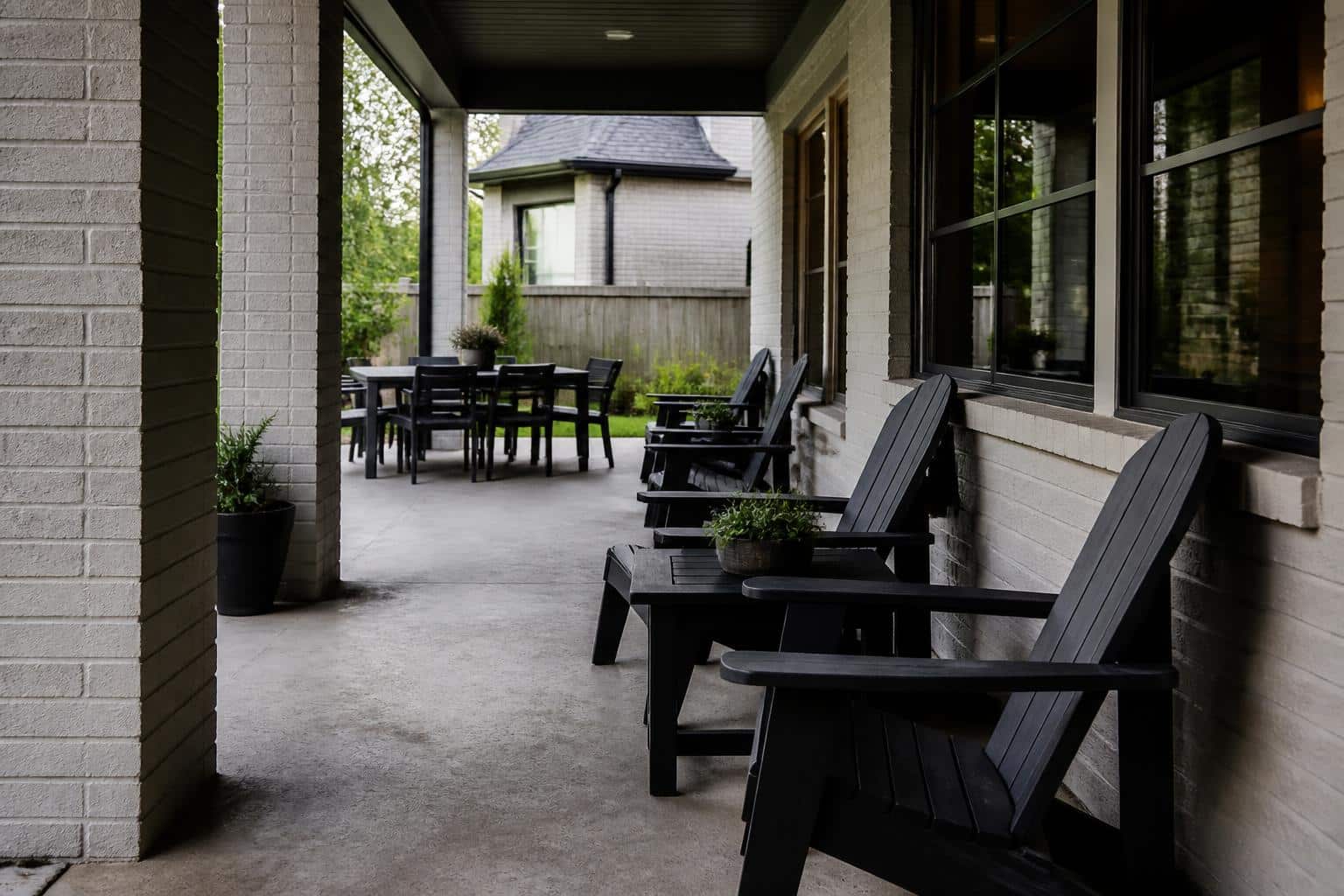
It is easy to overdivide a patio when planning for many age groups. You may think separate clusters will create options, but too much separation can leave people isolated. The better approach is usually one main conversation zone with a few supporting seats nearby.
Start with the social center. This may be a pair of Adirondack chairs facing a loveseat area, or a group of upright chairs around a dining-height table with a relaxed side zone adjacent to it. What matters is eye contact and conversational distance. If people have to raise their voices across a large gap, the layout is too spread out.
Then add flexible perimeter seating. Armless chairs are especially useful here because they can slide in where needed and do not visually block routes as much as larger pieces. If grandchildren are joining a game, a lightweight chair can move closer. If adults are serving food, that same chair can shift toward a table edge.
A simple rule helps: everyone should be able to join the main group without dragging a chair across the whole patio.
Plan shade and sun without making anyone relocate
Sun tolerance varies by age, time of day, and personal preference. A layout that only works in full sun at noon or only under deep shade in the evening will not feel equally usable to everyone.
When arranging furniture, think in layers of exposure rather than one all-or-nothing condition. Put some primary seats in a spot that gets partial shade during peak use hours, then leave room for a second seat choice nearby. This helps guests adjust without leaving the conversation entirely.
It also helps to avoid placing all upright seating in one microclimate and all lounge seating in another. If the only shaded seat is a low lounge chair, some users may have comfort with the sun or comfort with the chair, but not both.
Look for ways to create options within the same social zone. Even a small shift in angle or placement can make one chair cooler later in the day while another remains bright and warm for someone who wants sun.
Choose materials that stay dependable with heavy use
Multigenerational patios usually get more use than single-purpose outdoor spaces. Chairs are moved around for birthdays, holiday meals, quiet mornings, and spontaneous evening visits. That means your furniture should not just look good on day one. It should keep performing through repeated real-life use.
Marine Grade Polymer is a smart fit for that kind of patio because it offers a clean, substantial look and works well in outdoor settings where furniture needs to hold up to regular weather exposure and frequent movement. Plastic Furniture To Go furniture is American Made and built with 3/16-inch stainless steel hardware.
Warranty coverage can also help you shop with more confidence. The furniture includes a 7-year structural warranty and a 5-year fade warranty. Those details matter when you are building a layout intended for years of family use rather than one season of occasional entertaining.
Weight can be part of durability planning too. Heavier pieces like the 52 lb Hampton Adirondack Chair can create a grounded, permanent seating anchor, while lighter pieces such as the 27 lb Armless Cafe Chair and 21 lb Counter Height Stool make it easier to adapt your arrangement as guest needs change.
Make the layout easy to adjust over time
The best multigenerational patio is rarely static. Kids grow. Parents start hosting more often. Grandparents may prefer easier access and less distance between seating and tables. Your layout should be able to change without requiring a total reset.
That is another reason to shop piece by piece instead of locking yourself into one oversized matched package. Start with the furniture roles you know you need most: anchor seating, upright flexible seating, and reachable tables. Then test the arrangement during an actual meal or gathering.
Pay attention to what happens naturally:
Which seats fill first?
Where do people set drinks when tables are full?
Which route gets blocked most often?
Who moves a chair into a better position every time?
Those small patterns will tell you more than a floor plan. A successful patio feels intuitive, with enough structure to stay organized and enough flexibility to support the way different people actually use outdoor space.
Frequently Asked Questions
How many seating types should a multigenerational patio include?
Two is usually the minimum: one relaxed seating posture and one more upright posture. That combination covers a much wider range of comfort preferences than a single all-lounge or all-dining layout.
Are Adirondack chairs enough for a family patio?
They can be a strong part of the layout, but they are usually best paired with more upright seating. That mix helps guests choose what feels comfortable for their body and the activity, whether that is a long conversation or a quick meal outside.
Where should side tables go in a mixed seating layout?
Place them beside the seats that will be used most often, not only in the middle. People should be able to reach a drink or small item naturally without leaning far forward or across another chair.
What is the easiest way to keep a patio usable for all ages?
Preserve clear routes, avoid crowding furniture too tightly, and give people more than one posture option. A patio becomes easier for everyone when movement, seating, and table access all work together.
Shop the full collection to build a multigenerational patio seating layout with American Made Marine Grade Polymer furniture, free nationwide shipping, and flexible options for relaxed and upright outdoor seating.