

Choosing patio seating for older adults is usually less about style trends and more about how a chair feels to use every single day. A seat can look great on a patio and still be frustrating if it sits too low, wobbles on pavers, or makes standing up harder than it should.
A better approach is to focus on fit, stability, and layout before you buy. That means paying attention to seat height, supportive arms, sturdy placement, clear walking space, and where shade falls during the day. With those basics in place, outdoor seating becomes easier to enjoy for morning coffee, family visits, and longer afternoons outside.
Start with seat height that supports an easy sit-to-stand motion
Seat height is one of the first details to think about. If a chair sits very low, it may feel relaxed at first, but getting out of it can take more effort. For many older adults, a seat that allows the knees and hips to stay in a more natural position feels easier to use. You do not need to turn this into a medical calculation. Instead, think in practical terms: when someone sits down, can their feet rest flat and can they rise without a deep push from the legs?
This is where trying the sit-to-stand motion mentally can help, even when shopping online. Picture how the chair will be used during normal routines. Will it be a quick stop for a cup of coffee, a seat for reading in the shade, or a place to visit with friends for an hour? The lower and more reclined the chair, the more important it is to decide whether that posture fits the person who will use it most.
Some outdoor seating is intentionally laid back. That can be appealing for relaxation, but it is not ideal for every person or every part of the patio. Many households do best with a mix of seating types so there is always at least one option that feels easier to enter and exit.
Arms can make a big difference in daily comfort
Armrests do more than add comfort. They often provide a steady place to put the hands while sitting down or standing up. For older adults, that simple point of contact can make a chair feel more secure and more usable.
When you compare patio chairs, think about the height and position of the arms. Arms should be easy to reach without awkward twisting. They should also feel substantial enough to lean on naturally. A flimsy or narrow arm may not feel as reassuring as a broader, more solid design.
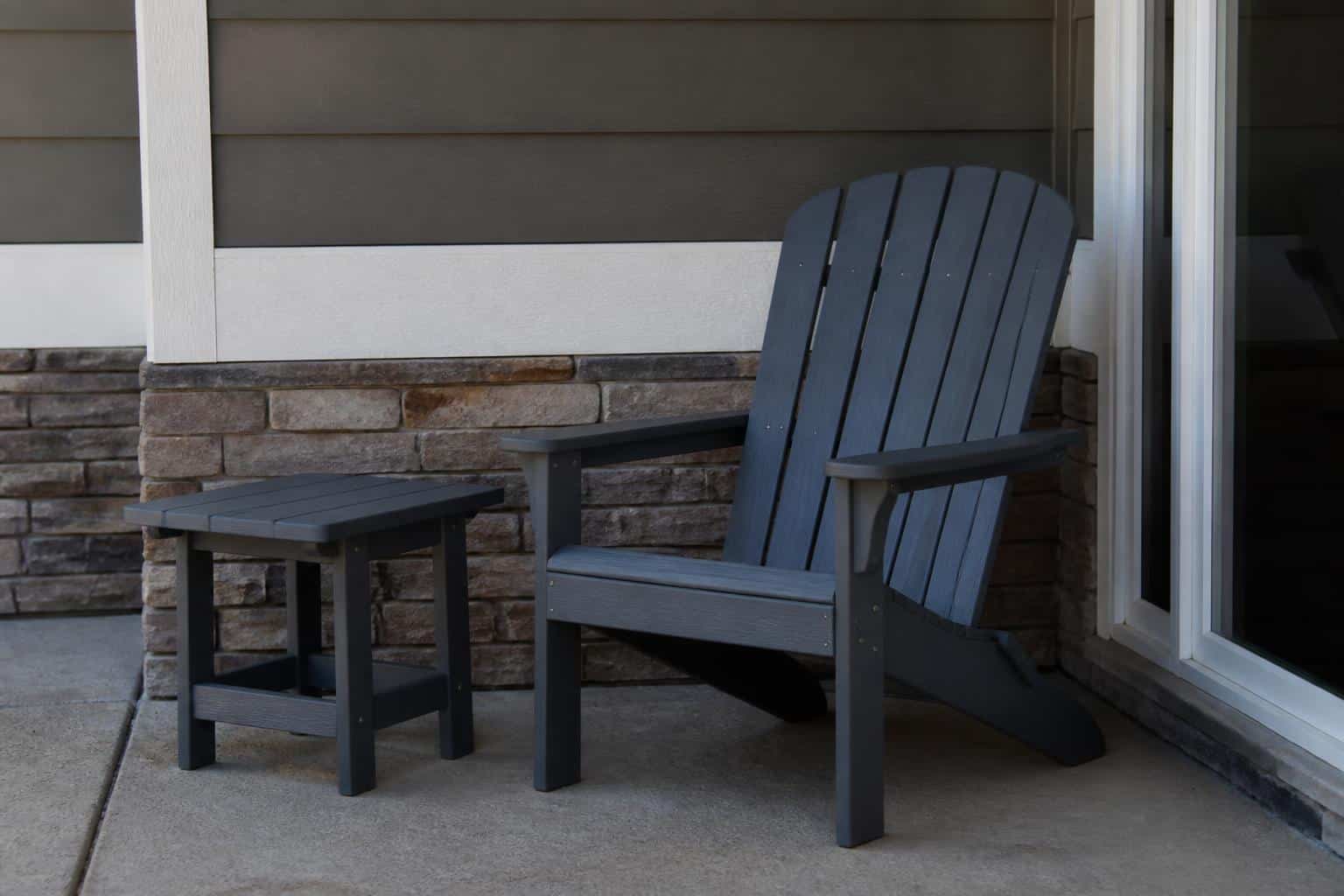
For a relaxed lounge seat, the Hampton Adirondack Chair is a substantial option at 52 lb, which can help it feel planted in place during normal use. For dining or conversation areas, some shoppers may prefer the simpler profile of an armless design, but it is worth remembering that removing arms also removes one common support point for sitting and standing. The Armless Cafe Chair weighs 27 lb and can fit well where a cleaner seating line is the priority.
Neither style is automatically better. The best choice depends on whether the main goal is deep relaxation, easier transfers in and out of the chair, or fitting more seats around a table.
Stable placement is just as important as the chair itself
Even a well-made chair can feel off if it sits on an uneven surface. Before choosing outdoor seating, look closely at where it will go. Brick patios, older concrete slabs, gravel areas, and paver joints can all affect how stable a chair feels.
Ideally, seating should be placed on a firm, level surface where all legs or contact points rest evenly. If a patio has a slight pitch for drainage, test the intended area by standing there and noticing whether it feels balanced underfoot. Small irregularities can become more noticeable when someone is lowering into a seat or pushing up to stand.
Chair weight can also influence the overall feel. Heavier pieces often feel more settled once in position. Plastic Furniture To Go offers American Made outdoor furniture built with Marine Grade Polymer and 3/16-inch stainless steel hardware. That combination supports a sturdy, low-fuss setup for everyday outdoor use, especially when paired with thoughtful placement on a stable surface.
Side tables can help here too. A table next to the seat gives users a nearby place for a drink, book, or glasses, so they are not twisting or reaching down toward the ground. Hampton round and square end tables weigh 15 lb each, which gives them a useful presence without making the area feel crowded.
Keep walking paths clear and easy to follow
Comfort does not start at the chair. It starts on the path to the chair. If someone has to step around planters, squeeze between furniture pieces, or navigate cords and decor, the seating area becomes less inviting no matter how attractive the setup looks.
Try to create a direct route from the door to the seating area. Leave enough open space to move naturally without turning sideways or shuffling around obstacles. This is especially helpful near dining groupings, where chairs move in and out and can tighten the path unexpectedly.
If you want a general reference for outdoor route planning, the U.S. Access Board offers helpful guidance on accessible routes. You do not need to treat a home patio like a regulated public site to benefit from the basic idea: clear, predictable circulation makes outdoor spaces easier and more comfortable to use.
In practical terms, that means checking for raised thresholds, abrupt transitions, decorative rugs that bunch up, and furniture corners that project into the walkway. A calm layout often feels more welcoming than a packed one.
Shade changes how long a seat stays comfortable

Fit and stability are essential, but exposure matters too. A comfortable chair placed in full afternoon sun may go unused during the warmest part of the day. For older adults especially, a seating area that offers dependable shade can turn a rarely used corner into a favorite daily spot.
Look at how sunlight moves across your patio from morning to evening. A seat that feels pleasant at 9 a.m. may be hot and glaring by 2 p.m. Trees, umbrellas, pergolas, roof overhangs, and nearby walls all affect that pattern. If the goal is regular use, place the most supportive chair where it will have the best mix of shade and airflow during the times it will actually be used.
It can also help to think in zones. A more upright chair near a dining table may work well under an umbrella for lunch, while a deeper lounge chair might belong in a shaded reading spot. Dividing the patio this way gives people options instead of asking one chair to do everything.
Match the chair style to the activity, not just the look
Many patio frustrations happen when the seating style does not match the way the space is used. If someone wants to eat, write a note, play cards, or chat across a table, a more upright seat usually works better. If the goal is watching the yard at sunset or relaxing with a book, a deeper lounging profile may be more appealing.
For older adults, it is smart to think through those activities in detail. How long will someone sit there? Will they be reaching for a drink often? Will they need to get up repeatedly to tend a grill, answer the door, or move between seats? Frequent transitions can make support features more important than a dramatic silhouette.
Counter and bar spaces deserve special thought too. Elevated seating may look great in an outdoor kitchen area, but it is not always the most comfortable option for every user. If you are considering a higher seating area, remember that the Counter Height Stool weighs 21 lb and should be reserved for spaces where getting on and off a taller seat feels appropriate for the person using it.
For many homes, the best layout includes a few different seat types rather than a fully matched set. That way, guests and family members can choose the seat that feels best to them.
Use a simple at-home checklist before ordering
Because Plastic Furniture To Go is a factory-direct online brand with free shipping to the contiguous U.S., it helps to evaluate your space carefully before placing an order. A quick checklist can prevent a lot of second-guessing later.
First, measure the patio area and sketch where each chair will sit. Include room for walking, table access, and door clearance. Next, think about who will use the furniture most often and what support they prefer. Do they like arms? Do they avoid low seats? Do they want a place to rest a drink close by?
Then review the surface itself. Is it level, solid, and predictable underfoot? If not, decide whether another area of the patio will work better. After that, study the shade pattern during the time of day the space gets the most use. Finally, picture the sit-to-stand motion. If the chair seems like it would require a deep drop down or a big push back up, consider whether another style would be more practical.
This kind of planning does not need to be complicated. It just helps you buy with purpose instead of guessing from a photo alone.
Choose durable materials that support long-term outdoor use
Older adults often value patio furniture that feels dependable and does not ask for constant upkeep. That is one reason material choice matters. Plastic Furniture To Go builds its outdoor furniture from Marine Grade Polymer with 3/16-inch stainless steel hardware, offering a clean, solid option for outdoor living spaces that need to perform through regular use.
The brand is American Made and backs its furniture with a 7-year structural warranty and a 5-year fade warranty. Those are practical details for shoppers who want confidence in what they are ordering online. The focus stays on straightforward outdoor durability rather than seasonal furniture that may need frequent replacement.
Appearance still counts, of course. But for this topic, the smarter buying question is whether the furniture will continue to feel stable, usable, and comfortable over time in the location where it will actually live.
Frequently Asked Questions
Is a low lounge chair a bad choice for older adults?
Not necessarily. Some older adults enjoy a deeper, more relaxed seat. The main question is whether the chair allows a comfortable sit-to-stand motion for the person using it. If rising from lower seating is already difficult, a more upright chair with supportive arms may be the better everyday option.
Are arms always better than armless patio chairs?
Arms are often helpful because they provide a natural place to steady yourself while sitting down or standing up. That said, armless chairs can work well in dining areas or tighter layouts. It comes down to how the chair will be used and whether the user prefers extra support at the sides.
What makes a patio chair feel stable?
Stability comes from both the chair and the surface under it. A well-built chair placed on a firm, level patio will usually feel more secure than any chair placed on an uneven or shifting area. Weight, solid construction, and even contact with the ground all contribute to that planted feel.
How should I set up the area around the chair?
Keep the path clear, avoid crowding the seating area, and place a small table nearby for essentials like drinks or reading glasses. If possible, position the chair where there is useful shade during the time of day it will be used most often.
For a nearby surface, the Hampton Round End Table has a 17-inch round top. Check its height and reach from the actual seat before choosing a position.
Shop American Made outdoor seating and tables at Hampton Adirondack Chair and Armless Cafe Chair, or Contact us online if you want help choosing a layout that fits your patio.
You may also find these helpful: Adirondack Chair vs. Cafe Chair, Multigenerational Patio Seating: Plan for Everyone, and Outdoor Furniture on Pea Gravel.

