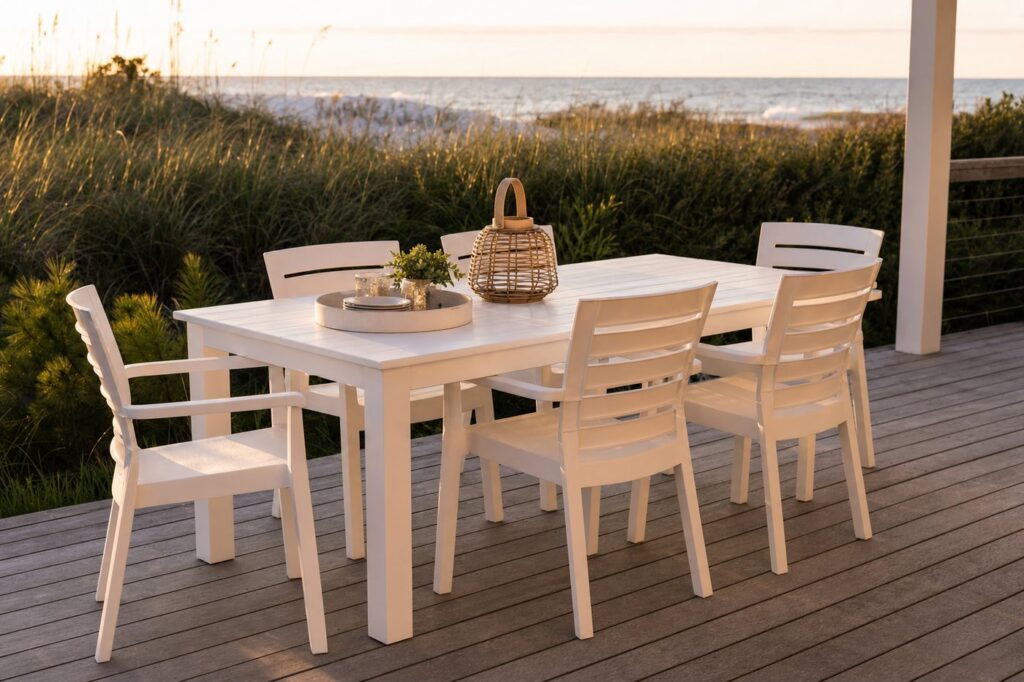
Outdoor furniture can look similar on day one and demand very different levels of work by year three. The biggest difference usually is not style. It is the amount of maintenance the material asks from you through sun, rain, pollen, spills, and regular use.
If you are weighing Marine Grade Polymer vs wood maintenance, the practical questions are simple: what needs cleaning, what needs refinishing, what happens to hardware, and how much annual labor are you really signing up for?
Two materials, two very different maintenance routines
Wood and Marine Grade Polymer can both be good choices outdoors, but they reward different kinds of owners. Wood offers a natural look and can age beautifully when it is maintained consistently. Marine Grade Polymer is made for buyers who want the appearance of substantial outdoor furniture without adding seasonal refinishing to the to-do list.
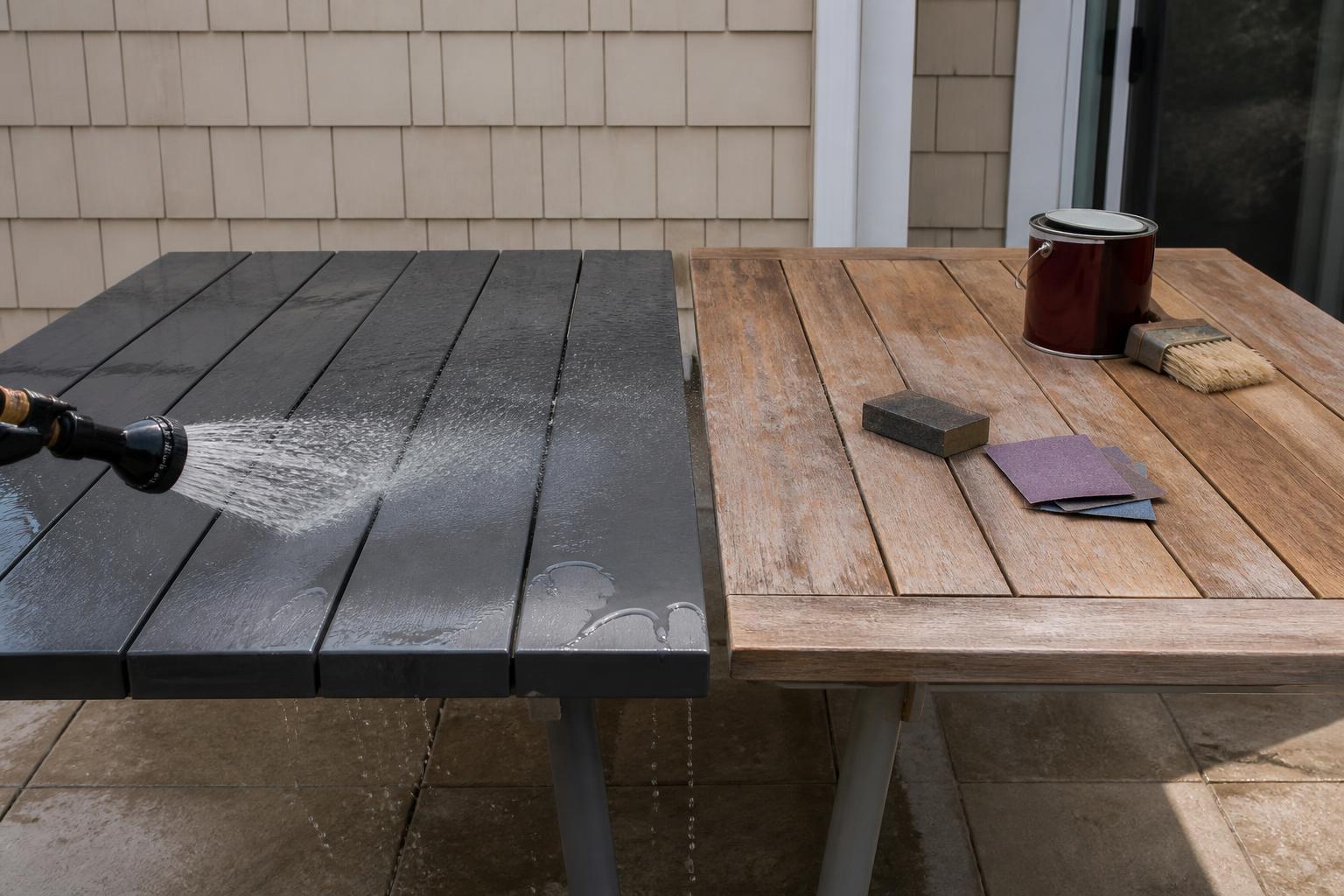
That does not mean one material is always better than the other. It means the upkeep path is different. With wood, maintenance usually includes cleaning, monitoring the finish, and periodically sanding, sealing, staining, or painting depending on the species and the exposure. With Marine Grade Polymer furniture, upkeep is usually centered on routine washing and occasional hardware checks.
For some households, working on wood furniture each season is enjoyable. For others, it becomes one more unfinished project stacked behind mowing, pressure washing, and landscaping.
Washing and routine cleaning
Both materials need basic cleaning. Dirt, pollen, bird droppings, sunscreen residue, food splatter, and mildew-friendly organic debris collect on any outdoor surface.
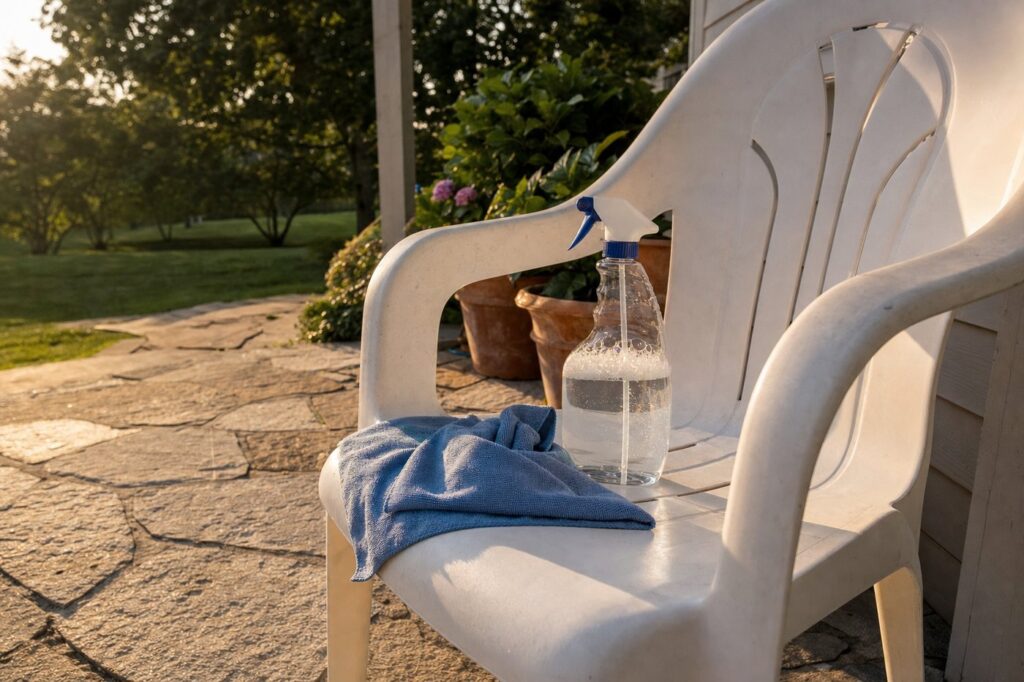
Marine Grade Polymer is straightforward here. In most settings, washing with mild soap, water, and a soft brush or cloth handles normal buildup. Because the color is part of the material rather than a surface coating that needs to be renewed, owners are not cleaning around a fragile stain or paint film during ordinary care.
Wood can also be washed, but the cleaning method often has to match the current finish condition. If a painted or stained surface is already starting to wear, aggressive scrubbing or pressure washing can speed up peeling, roughness, or uneven color. Bare wood may also show water absorption, raised grain, or darkened areas that require a little more attention later.
That does not make wood difficult. It just makes cleaning more connected to finish management. Marine Grade Polymer is typically more forgiving for homeowners who want quick maintenance without planning the next step after washing.
Sealing, staining, painting, and refinishing
This is where the maintenance gap becomes more obvious.
Most wood furniture eventually needs refinishing if you want to preserve a specific look. Depending on the species, climate, and exposure, that can mean sanding rough spots, applying stain, repainting, or adding a protective sealer. Even durable wood outdoors generally benefits from ongoing finish care if the goal is a neat, consistent appearance over time. The USDA Forest Service has noted that exterior wood coatings weather and require maintenance as they age outdoors.
Marine Grade Polymer does not require sealing, painting, or staining as part of normal ownership. That is a major difference for buyers who want to set up a patio and spend their weekends using it rather than restoring it. If your outdoor space gets full sun, frequent rain, or heavy seasonal pollen, avoiding a refinishing cycle can save a surprising amount of labor over the years.
Wood still has a valid place. Some owners like that refinishing is possible because it allows them to refresh the color or restore character after years of use. If you enjoy hands-on upkeep and appreciate the look of natural wood grain, that can be a meaningful advantage rather than a burden.
Fasteners, rust concerns, and structural touchpoints
Furniture maintenance is not only about visible surfaces. Hardware matters too. Outdoor chairs, tables, and stools are exposed to moisture, temperature swings, and regular movement, so loose or corroded fasteners can turn into rattles, wobbles, or stains.
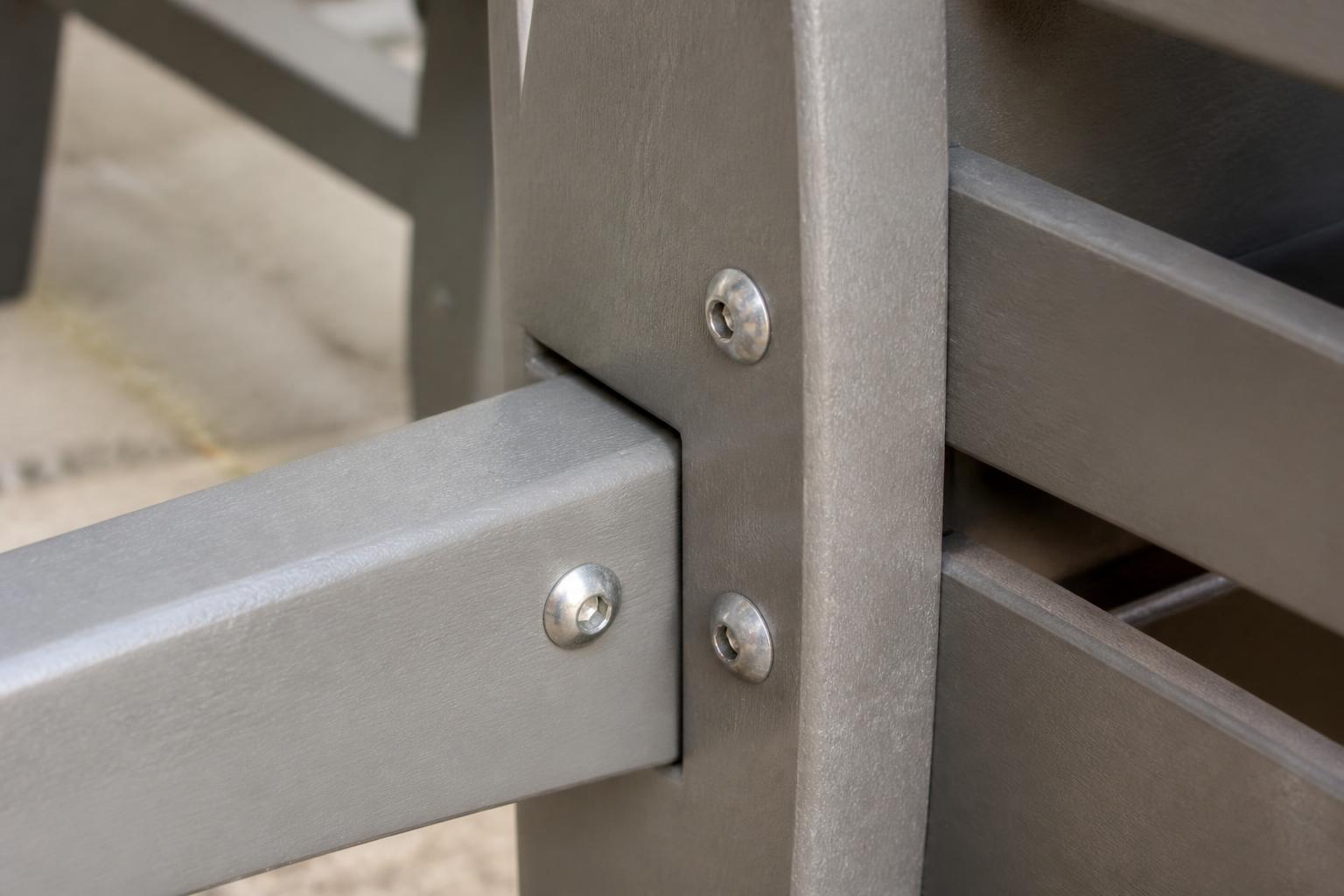
Plastic Furniture To Go uses 3/16-inch stainless steel hardware, which is a practical detail for outdoor use. That kind of hardware choice reduces one common maintenance headache: replacing fasteners that have degraded or left rust marks around connections.
Wood furniture maintenance can involve the same hardware checks, but wood adds another layer. As wood expands, contracts, dries, and weathers, joints and fastener areas may need more owner attention over time. Surface cracking, finish erosion around screw heads, and movement at connection points are all things people often monitor on wood pieces kept outdoors.
Marine Grade Polymer furniture still benefits from occasional inspection, especially after moving pieces around the patio or after storms. But in general, the routine is simpler: wash the furniture, check that hardware remains snug, and keep using it.
Scratches, scuffs, and everyday wear
No outdoor furniture material is immune to wear. Planters get dragged, pets jump up, buckles scrape surfaces, and tables collect the marks of normal life.
Wood responds to scratches in a way many people already understand. Small marks can blend into a rustic look, but deeper scratches may expose bare material beneath stain or paint. Once that happens, touch-up work often becomes part of the maintenance picture. If the piece has a film finish, repairs can be visible until the whole surface is refinished.
Marine Grade Polymer handles everyday use differently. You are not protecting a painted shell that can peel off, but the surface can still pick up scuffs or abrasion from hard contact. The practical difference is that these marks usually do not trigger a sealing or repainting project. For many owners, that lowers the stress of regular use on active patios, pool decks, and dining areas.
If you prefer furniture that can look more relaxed and lived-in without launching a restoration weekend, Marine Grade Polymer generally asks less from you. If you enjoy restoring surfaces to a carefully maintained finish, wood gives you that path.
Seasonal storage and off-season routines
Seasonal habits can make outdoor furniture ownership easier regardless of material. Cleaning before winter, brushing off standing debris, and avoiding long periods with trapped moisture are smart basics.
Wood often benefits more noticeably from sheltered storage or protective placement during off-seasons. Reducing direct exposure can help preserve its finish and may stretch the interval between refinishing work. If you own wood furniture and have garage or shed space, using it can cut down on annual upkeep.
Marine Grade Polymer is well suited to people who do not want a complicated seasonal routine. Many homeowners still choose to cover or store furniture when practical, but the material does not create the same expectation of regular sealing or finish preservation. For second homes, short-term rentals, and households that do not want to haul furniture in and out each season, that can be a meaningful advantage.
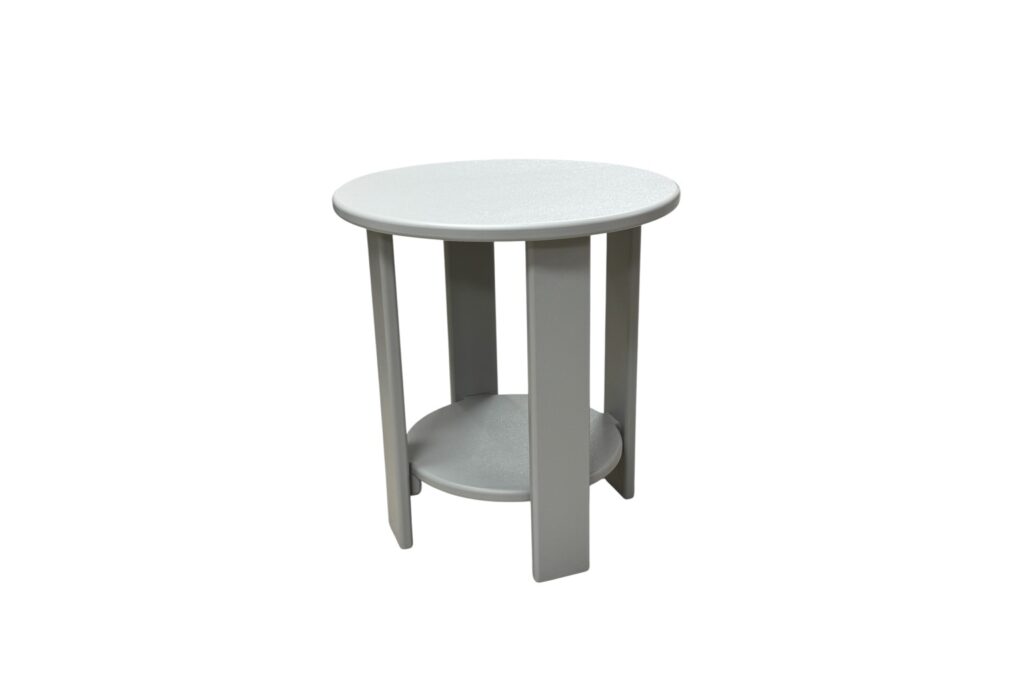
Weight also affects seasonal handling. A substantial chair like the Hampton Adirondack Chair weighs 52 lb, helping it feel stable in use while also reminding buyers to plan thoughtfully if they expect to move pieces often. Other common pieces can be easier to reposition, such as an Armless Cafe Chair at 27 lb, a Counter Height Stool at 21 lb, and Hampton round and square end tables at 15 lb each.
Long-term labor and ownership costs beyond the purchase
When people compare materials, they often focus on the purchase itself and overlook the value of their own time. Maintenance has a cost even when you do the work yourself. Sandpaper, stain, brushes, drop cloths, sealers, and weekends count.
Wood can be a satisfying long-term ownership experience for someone who likes seasonal care and does not mind periodic refinishing. That effort can be worth it for the warmth and tradition of real wood. But if the furniture is likely to sit in full exposure with minimal owner attention, wood usually asks for more labor to keep a polished look over the years.
Marine Grade Polymer tends to appeal to buyers who want predictable upkeep: wash it, inspect hardware occasionally, and keep enjoying the space. For busy households, commercial-style patio layouts, and outdoor dining areas that see frequent use, lower maintenance often matters more than the romance of a material story.
Warranty terms can also help frame expectations. Plastic Furniture To Go offers a 7-year structural warranty and a 5-year fade warranty, with details available on the returns and warranty page. Those are useful benchmarks for shoppers comparing outdoor furniture options and planning for the long haul.
Who should choose wood, and who should choose Marine Grade Polymer?
Wood is a sensible choice for buyers who strongly prefer natural grain, enjoy refinishing projects, and are comfortable with a regular maintenance cycle. It can also be a strong fit in covered spaces where exposure is moderated and the furniture is part of a curated design approach.
Marine Grade Polymer is a strong fit for buyers who want American Made outdoor furniture with free nationwide shipping and a simpler ownership routine. It makes sense for exposed patios, poolside setups, vacation properties, rental settings, and everyday family spaces where convenience matters. If your goal is to spend more time sitting outside than maintaining the furniture, the lower-labor path is hard to ignore.
The right answer is less about which material is universally superior and more about how you actually live. If annual refinishing sounds satisfying, wood may be the right call. If annual refinishing sounds like another project you will postpone, Marine Grade Polymer is probably the better match.
Frequently Asked Questions
Does Marine Grade Polymer need to be sealed every year?
No. Under normal use, Marine Grade Polymer does not require yearly sealing, staining, or painting. Routine cleaning and occasional hardware checks are the main maintenance tasks.
Is wood always harder to maintain than Marine Grade Polymer?
Usually, yes, if the furniture is exposed to the weather and you want it to keep a finished appearance. Wood can still be a great choice for owners who enjoy periodic sanding, sealing, staining, or painting as part of regular care.
What kind of hardware matters for outdoor furniture maintenance?
Corrosion-resistant hardware helps reduce staining, seizure, and replacement issues outdoors. Plastic Furniture To Go uses 3/16-inch stainless steel hardware, which supports easier long-term maintenance.
What should I choose if I do not want a seasonal refinishing project?
Marine Grade Polymer is usually the better fit for that goal. If you want durable outdoor furniture without building sealing and repainting into your seasonal routine, browse the shop or use the contact form online to narrow down the right pieces for your space.