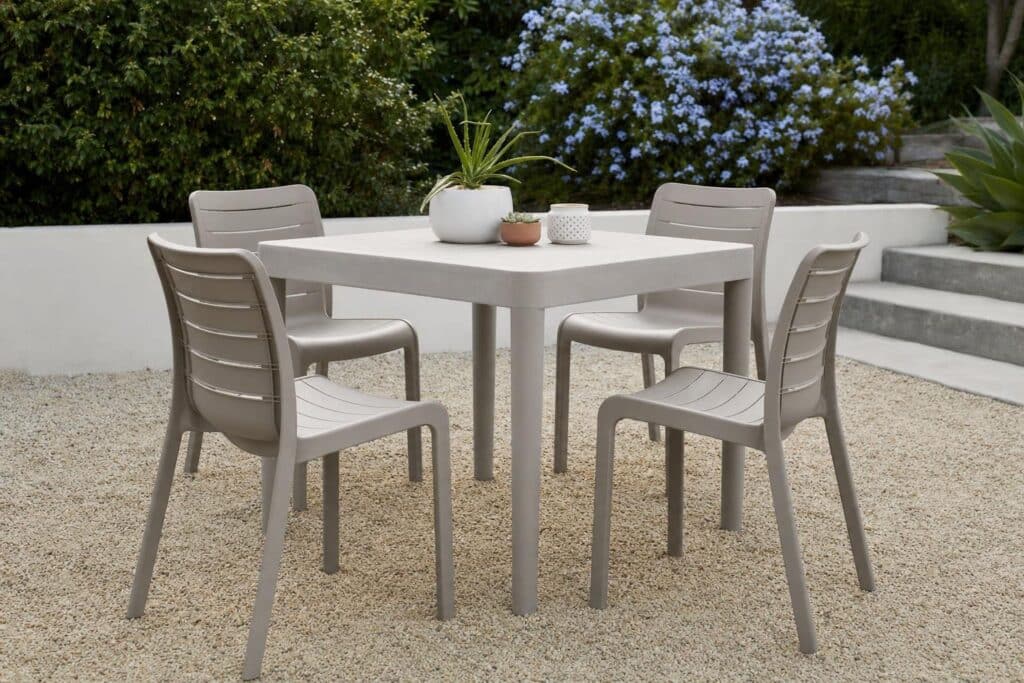

Shopping for outdoor furniture the first time can feel bigger than it should. With so many styles, sizes, and materials online, it helps to narrow the decision to a few practical first patio furniture set priorities before you compare colors or layouts.
If you start with how you will use the space, how much room you really have, and how much upkeep you want, the buying process gets much simpler. A well-chosen starter set should fit your routine, hold up to regular outdoor use, and still give you flexibility as your patio changes over time.
Start with the main job your patio set needs to do
Your first decision is not style. It is function. Think about the one thing your outdoor space will do most often during a normal week.
For some households, that means quiet lounging with coffee in the morning. For others, it means casual meals, a place to read, or extra seating when friends come over. A small balcony may need compact seating that does not overwhelm the footprint. A larger patio may need a mix of sitting and table space that works for both weekday use and weekends.
When you define the main use first, the rest of the choices fall into place. Lounge-focused spaces usually need deeper, more relaxed seating and a small side table. Dining-focused spaces need seat height and tabletop space to take priority. Entertaining spaces may benefit from lighter pieces that are easier to rearrange.
That is why buying a “full set” is not always the smartest first move. If the main job is two people relaxing outdoors, a pair of chairs and an end table may serve you better than a large dining group that takes over the whole area.
Measure the space before you shop the style
One of the most common first-time mistakes is shopping visually before shopping by footprint. A patio set can look balanced in a product photo and still feel crowded once it arrives.
Measure the full usable area, then think through movement. You need room not only for furniture placement but also for pulling out chairs, walking past table corners, opening doors, and keeping pathways comfortable. Try marking the intended layout with painter’s tape or cardboard so you can see how much floor area the set will actually occupy.
Also look at the surface itself. A smooth deck, concrete patio, porch, or paver area can each affect stability and day-to-day use. If the ground has slight variation, a simpler arrangement with sturdy individual pieces can be easier to live with than a crowded, tightly packed grouping.
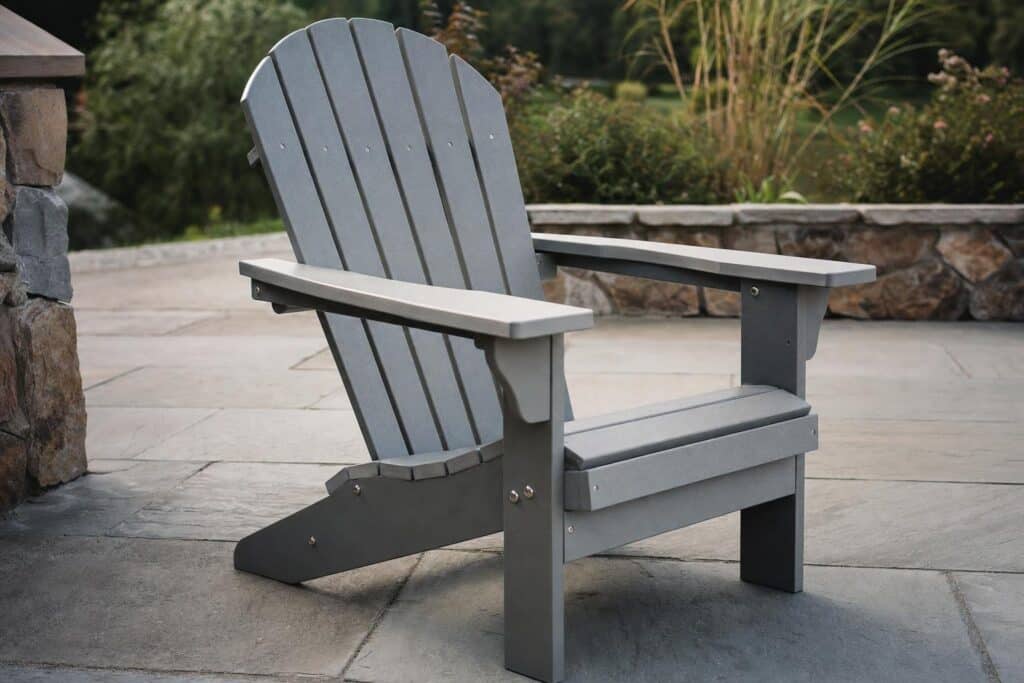
Weight can matter too, especially for people who may occasionally move furniture to clean, reset the space, or make room for guests. Plastic Furniture To Go publishes useful product weights that help buyers compare portability. For example, the Hampton Adirondack Chair weighs 52 lb, the Armless Cafe Chair weighs 27 lb, the Counter Height Stool weighs 21 lb, and Hampton round and square end tables weigh 15 lb each. Those details can help you think practically about how often you may want to reposition pieces.
Choose seat count based on real life, not best-case entertaining
Many first-time buyers overestimate how many seats they need. It is easy to imagine large outdoor gatherings, but everyday comfort usually matters more than occasional maximum capacity.
Start with the number of people who will use the space most often. If it is usually one or two, prioritize comfort and spacing instead of squeezing in extra chairs. If it is usually a family meal, then seat count becomes more central. If you host from time to time, consider whether adding one or two movable chairs later would solve the problem better than overcrowding the area now.
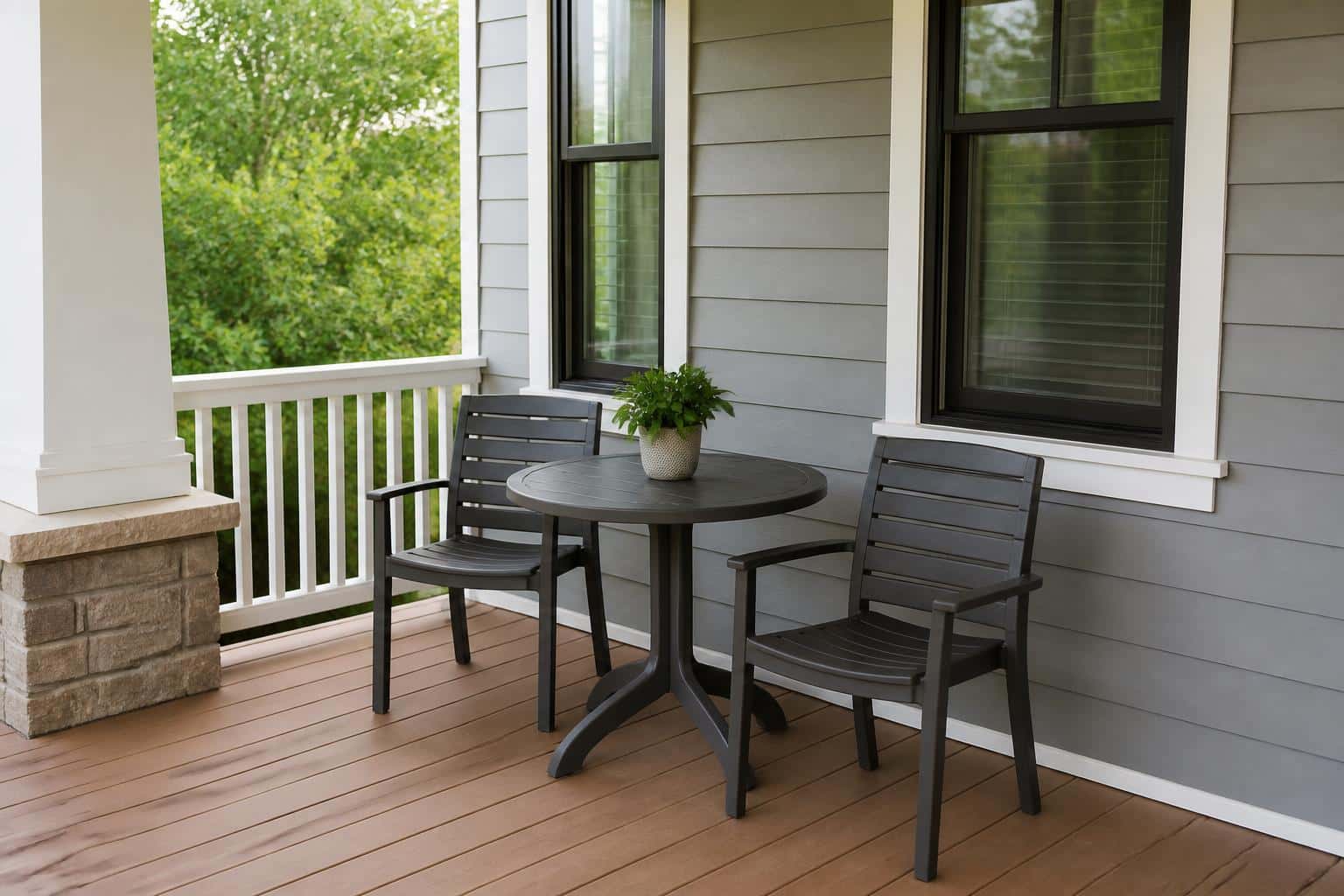
This is where modular thinking helps. A starter arrangement can be enough for daily use while still leaving room to expand. Two chairs and a table, or a small café-style grouping, often gives first-time buyers a more flexible foundation than a larger set chosen mainly for rare occasions.
The best outdoor setup is the one you actually enjoy using. A patio that feels open and comfortable will usually get more use than one packed edge to edge with furniture.
Pick the surface you need: side table, dining top, or occasional landing spot
Tables are easy to underrate until you live without one. The question is not whether you need a surface. The question is what kind of surface fits your routine.
If your outdoor time revolves around drinks, books, or a phone and sunglasses, a smaller end table may be enough. If you expect to eat outside regularly, you need a table sized for plates, serving items, and elbow room. If you use the area in a more casual way, one table between two chairs can cover a lot of everyday needs without taking up much room.
For first purchases, a simple table can increase usefulness more than adding another seat. It gives the setup a purpose and makes the space feel finished. It can also make a small patio feel better organized.
When you browse options at /shop/, think about what you actually place on a table during a typical week. That answer usually points you toward the best size and style faster than any trend does.
Think honestly about weather exposure and care tolerance
Outdoor furniture should match both your environment and your willingness to maintain it. Some buyers enjoy seasonal upkeep. Others want furniture they can wipe down and keep using.
Plastic Furniture To Go furniture is American Made from Marine Grade Polymer and assembled with 3/16-inch stainless steel hardware. For first-time buyers, that combination can be especially appealing because it is built for outdoor use without asking you to treat patio furniture like an indoor piece that happens to sit outside.
Still, your own habits matter. Is the patio fully exposed, partly covered, or screened? Will furniture stay outside year-round? Do you want something easy to clean after pollen, dust, or everyday messes? Are you the type of buyer who wants low-fuss ownership?
If you want less maintenance on your to-do list, choose pieces and layouts that are easy to wipe down, easy to access, and easy to move as needed. Furniture that supports straightforward care tends to be a better first purchase than furniture that creates extra chores.
It is also smart to review warranty coverage before buying. Plastic Furniture To Go offers a 7-year structural warranty and a 5-year fade warranty, which gives first-time buyers clear product support terms to compare.
Check shipping, ordering, and policy details before checkout
Online furniture buying gets easier when policy details are part of the decision, not an afterthought. Before you place an order, review shipping terms, warranty information, and any posted business policies so you know what to expect.
Plastic Furniture To Go offers free nationwide shipping, which can simplify comparison shopping when you are trying to stay within a total budget. It is also worth reading the brand’s shipping policy so you understand the process before ordering.
As a general consumer best practice, online shoppers should pay attention to how order timing and shipment expectations are presented. The Federal Trade Commission outlines baseline rules for merchants selling by internet, mail, or phone in its Mail, Internet, or Telephone Order Merchandise Rule. You do not need to become a policy expert, but it helps to buy from stores that present important terms clearly.
For a first purchase, confidence often comes from clarity. Knowing how shipping works, what the warranties cover, and where to send questions can make the entire buying experience feel more manageable.
A flexible starting group that works for many first-time buyers
If you are not sure where to begin, start smaller than you think. One of the most practical first patio purchases is a flexible conversation setup: two comfortable chairs and one end table.
This kind of grouping works on porches, smaller patios, poolside areas, and open corners that are not large enough for a full dining arrangement. It supports coffee, reading, conversation, and casual evening use. It also gives you a strong base you can build on later.
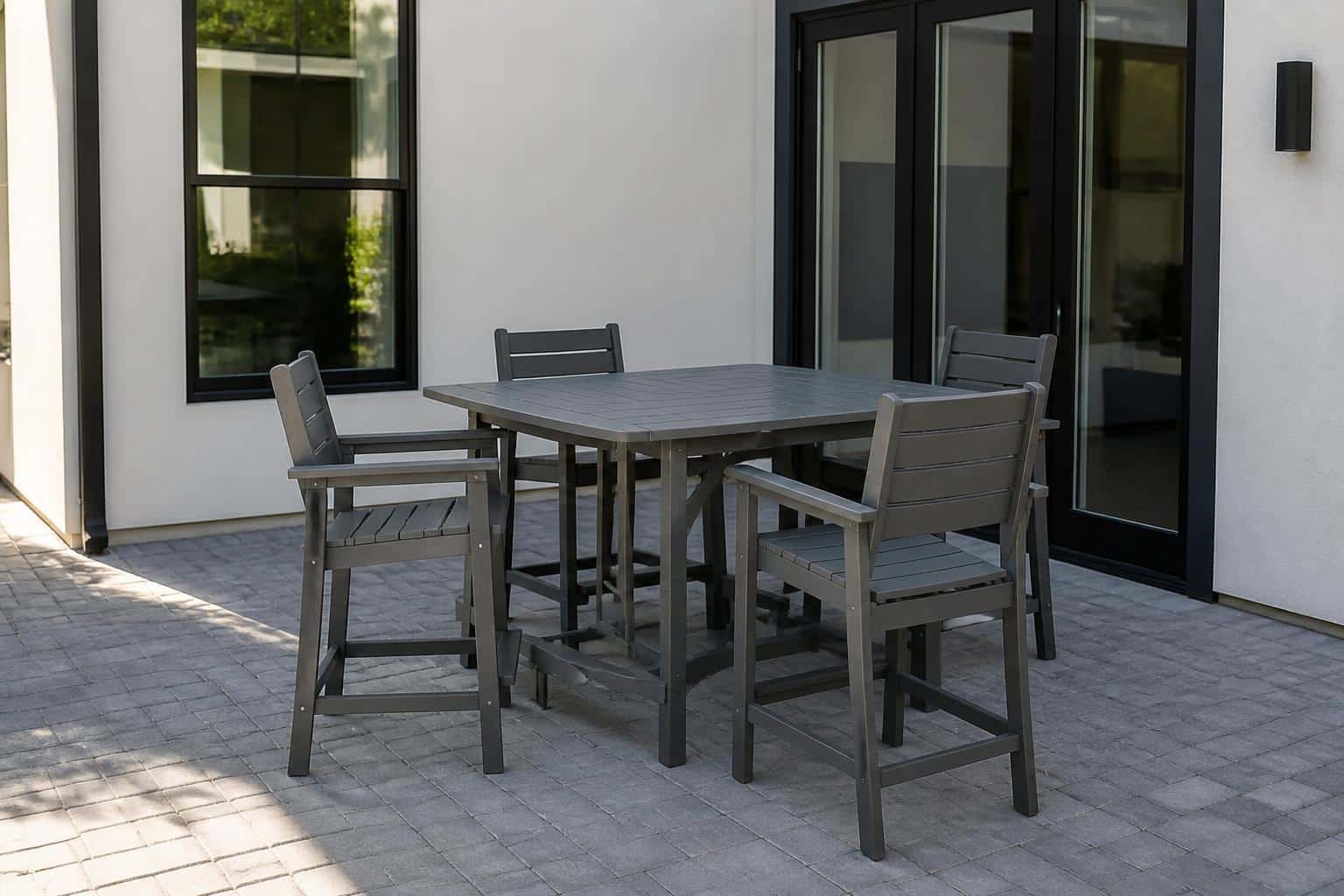
A pair of Adirondack-style chairs with a table between them is a classic example of this approach. If you want something lighter and more upright, café seating may suit your habits better. If your space leans toward casual outdoor snacks or elevated seating areas, a counter-height arrangement may be the better starting point.
The advantage is flexibility. You can live with the setup for a season, see how you use the space, then add more pieces only if your routine justifies it. That keeps you from overbuying and helps your patio evolve based on real use instead of guesswork.
For many first-time buyers, the smartest set is not the biggest one. It is the one that gets used often, fits naturally, and leaves room to grow.
Balance style with staying power
It is fine to care about looks. You should enjoy how your outdoor setup appears from the kitchen window or when guests stop by. But first purchases tend to work best when style supports function instead of overpowering it.
Choose a design you can picture living with for years, not just one season. Clean lines, versatile silhouettes, and easy-to-pair table shapes generally give you more freedom if you expand the setup later. A neutral, timeless layout also makes it easier to add planters, cushions, or accessories over time without feeling locked into a narrow trend.
Because your first set often becomes the anchor for everything that follows, it helps to pick pieces that can stand alone or blend into a larger arrangement in the future. That way, the original purchase keeps its value in your space instead of becoming a temporary compromise.
Frequently Asked Questions
Should I buy a full patio set or start with a few pieces?
If this is your first outdoor furniture purchase, starting with a smaller group is often the safer choice. Two chairs and a table can cover daily use while giving you time to see how the space actually functions.
What should I measure before ordering patio furniture?
Measure the usable floor area, walking paths, door clearance, and the room needed to pull chairs in and out. It also helps to map the layout on the ground before you order so the footprint feels realistic.
What material details should first-time buyers pay attention to?
Look for outdoor-focused construction details, clear warranty coverage, and durable hardware. Plastic Furniture To Go furniture is made from Marine Grade Polymer and uses 3/16-inch stainless steel hardware, with a 7-year structural warranty and 5-year fade warranty.
How can I ask a question before I buy?
If you need product or order help, use the website contact page rather than waiting until checkout. That gives you a written way to confirm details and keep your purchase organized.
If your first purchase is upright seating, compare the Armless Café Chair with your table height and available pull-out space.
Ready to narrow down your options? Shop practical starter seating and tables at /shop/, or contact Plastic Furniture To Go online if you want help comparing a few good first-set choices.