
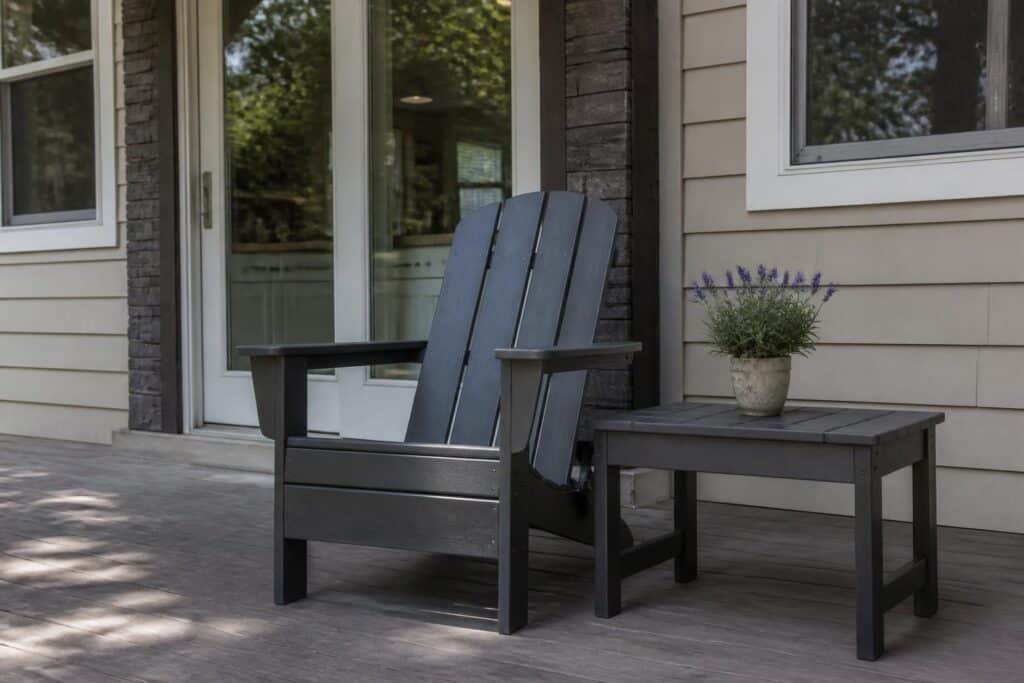
Shopping with a Made in USA outdoor furniture checklist helps you compare products with more confidence. Country of origin can be a meaningful factor, but it should be one checkpoint among several, not the only reason to buy.
A smart comparison looks at what a brand actually tells you: where the furniture is made, what materials are used, how the pieces are assembled, what the written warranty covers, and whether the design truly fits your space. Here is a practical checklist you can use before placing an online order.
Start with clear American-made information
If a product is promoted as American made, the first step is simple: look for direct, plain-language statements on the website. Vague phrases like “crafted with American pride” or “inspired by domestic workmanship” are not the same as a straightforward claim that the furniture is made in the United States.
You should also look beyond a banner or badge. A trustworthy product page or brand page usually explains the claim in context. That might include where the furniture is manufactured, whether the company builds to order or stocks finished products, and what parts of the process happen domestically.
At Plastic Furniture To Go, the furniture is American Made, which gives shoppers a clear starting point. Still, use the rest of this checklist too. Origin is valuable information, but it does not replace construction details, written policies, or everyday usability.
If you want broader background on U.S. manufacturing support, the NIST Manufacturing Extension Partnership offers context on the domestic manufacturing landscape.
Check whether the material description is specific
Good outdoor furniture listings should tell you what the product is actually made from. If the copy stays overly broad and only says “durable outdoor material” or “weather-friendly construction,” you are left guessing about long-term value.
Specific material language lets you compare products more fairly. For Plastic Furniture To Go, that means looking for the exact term Marine Grade Polymer. That wording gives you a clear material reference instead of a vague promise.
Specificity also helps you avoid making assumptions based on appearance alone. Two chairs can look similar in a photo yet differ in joinery, hardware, weight, or design stability. Material information is one part of the full buying picture, but it should always be stated clearly enough for a shopper to identify.
While you are reviewing a product page, notice whether the material information is consistent from page to page. If one part of a site uses exact wording and another leans on generic phrases, slow down and keep comparing.
Look for construction details you can verify
Photos are helpful, but product copy should give you some measurable construction information too. This is where you move from marketing language to practical facts.
One useful checkpoint is hardware. Plastic Furniture To Go lists 3/16-inch stainless steel hardware, which is the kind of concrete detail shoppers can actually use when comparing one product line to another. Specific hardware information suggests the listing is trying to tell you how the furniture is put together, not just how it looks from across the yard.
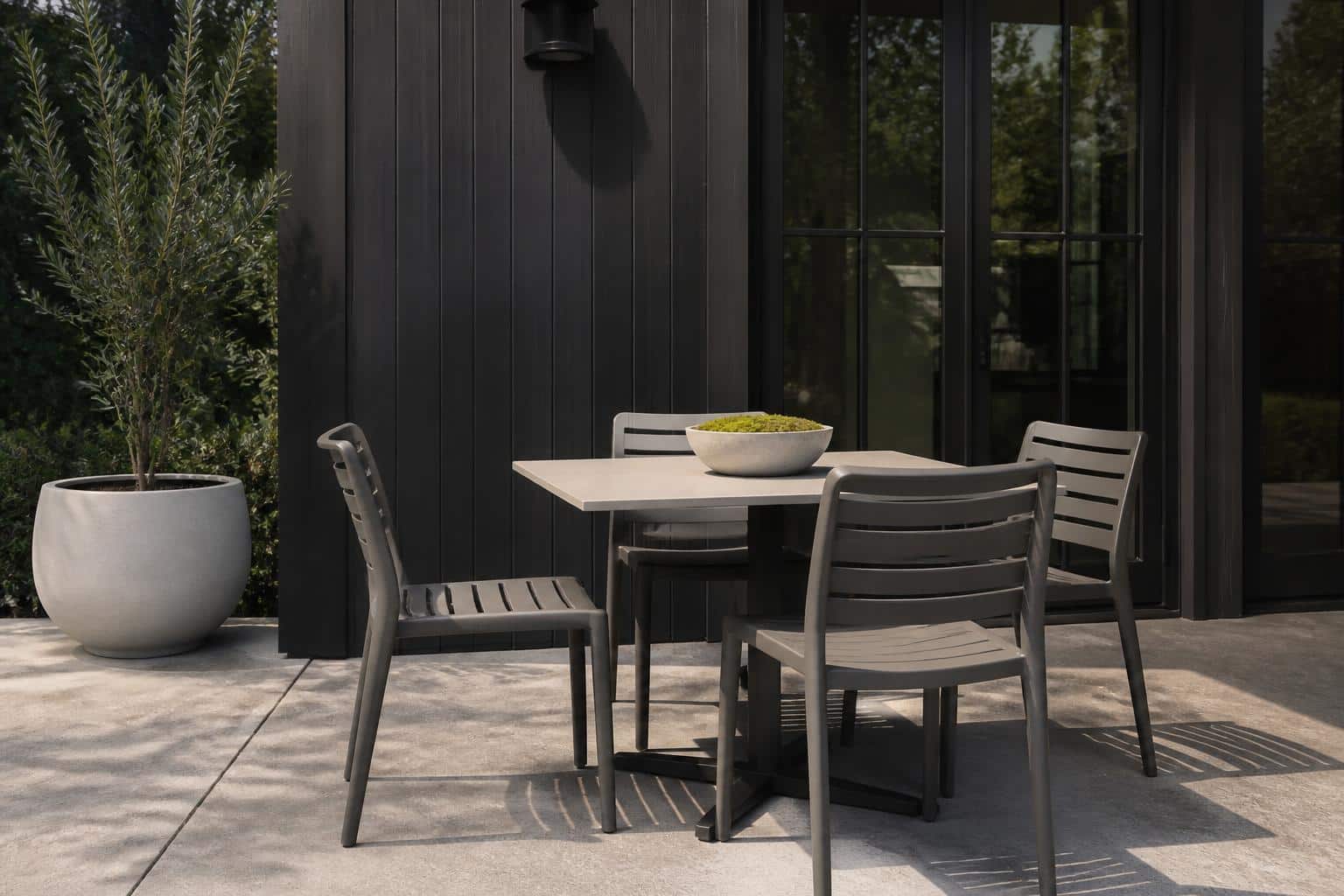
Weight is another valuable clue. Heavier is not automatically better, but posted product weights can help you judge how substantial a piece may feel in daily use and whether it suits your layout. Confirmed examples include the Hampton Adirondack Chair at 52 lb, the Armless Cafe Chair at 27 lb, the Counter Height Stool at 21 lb, and Hampton round and square end tables at 15 lb each.
Those numbers are useful for a few reasons. They help you think through moving furniture for cleaning or seasonal rearranging. They also help you compare seating types within the same brand. A substantial Adirondack chair serves a different purpose than a lighter cafe chair or stool, and weight can reflect that difference.
As you shop, prioritize listings that provide details you can point to: hardware, product weight, and named collections. The more concrete the information, the easier it is to evaluate the purchase on its real characteristics.
Use warranty language as a buying filter
A warranty should never be an afterthought. Before you buy, read the written terms and make sure the promises on the product page match the policy page.
Plastic Furniture To Go offers a 7-year structural warranty and 5-year fade warranty. Those are meaningful, specific terms. They tell you more than a loose phrase like “built to last” ever could.
When comparing brands, ask yourself a few practical questions. Is the warranty split by type of coverage, such as structure versus fade? Is the language easy to find before checkout? Are there written policies available online, rather than claims buried in an ad?
Just as important, avoid filling in blanks that are not stated. If a site does not list a term, do not assume it exists. A short, specific written warranty is more useful than a dramatic but unclear promise. The goal is to buy with realistic expectations based on what the brand puts in writing.
Match the furniture to the way you actually use your space
A good checklist does not stop at origin and construction. You still need the furniture to fit your routine, your layout, and the way you like to spend time outdoors.
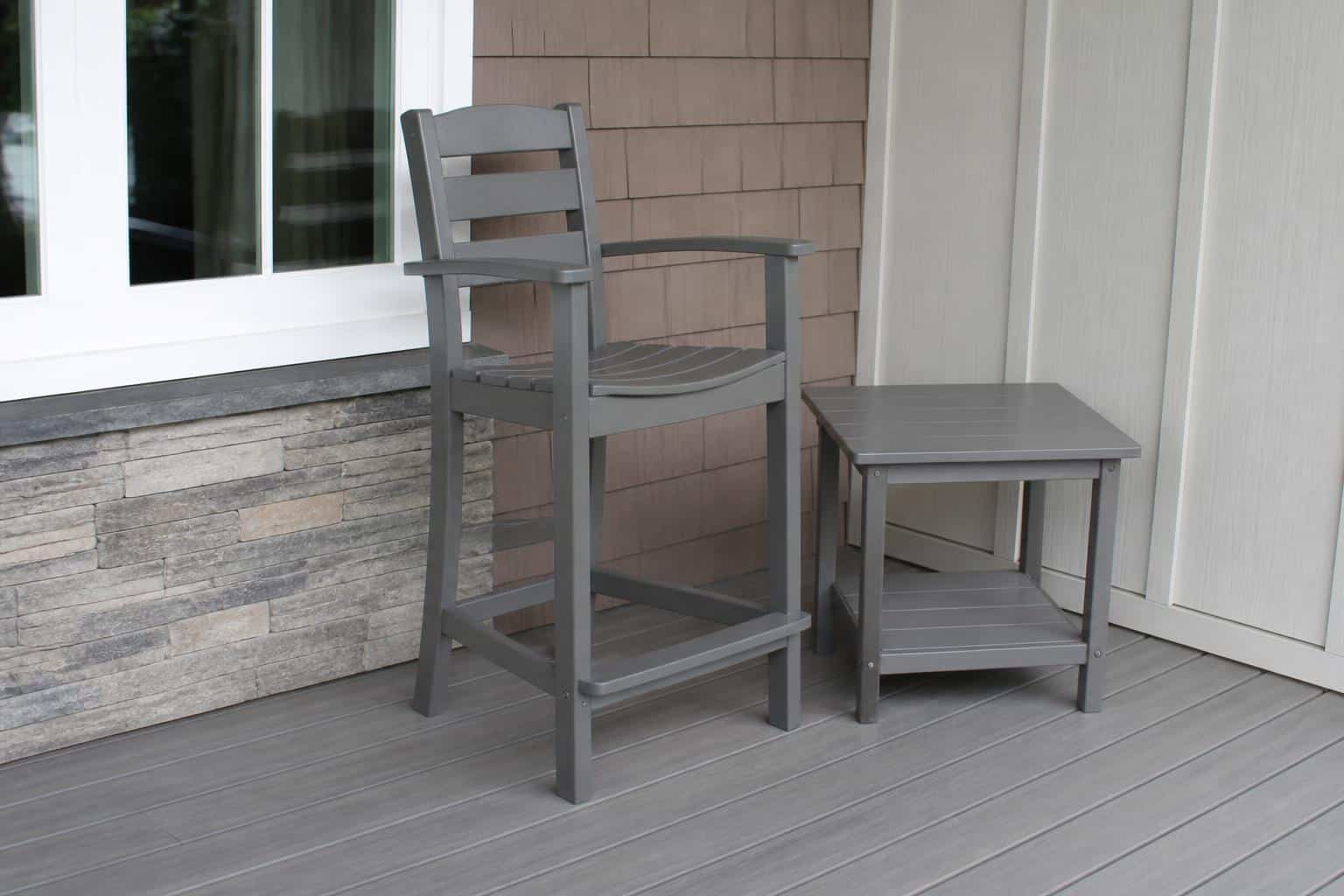
Start by identifying the job each piece needs to do. An Adirondack chair is often a destination seat: a place to settle in, lean back, and stay awhile. A cafe chair may be better for compact dining areas, mixed seating groups, or spots where you want more flexibility. Counter-height stools belong in a different setup entirely, usually where a raised dining or serving surface shapes how people gather.
Tables deserve the same kind of attention. End tables are easy to underestimate, but they affect convenience more than shoppers often expect. A side table near a chair can make a seating area feel complete and functional instead of unfinished.
As you compare products, build a short use-case list: dining, lounging, reading, morning coffee, poolside seating, or a flexible multi-use patio. Then choose pieces that serve those exact routines instead of buying a matching set by default. Better fit usually leads to better satisfaction than buying around a label alone.
Review online ordering and shipping terms before checkout
Because outdoor furniture is a larger purchase, the delivery side of the order deserves a place on your checklist. You want to know what happens after you click buy, not just what the product page says before you do.
Plastic Furniture To Go offers free shipping to the contiguous U.S., which is an important part of total value when comparing online options. Shipping policies can affect your final decision just as much as style or finish color, especially on larger pieces.
It is also smart to read the return and warranty information together. That gives you a clearer picture of what is covered after delivery and what written policies govern the order overall. The best online shopping experience is not just attractive product photography. It is a combination of clear product facts, visible policies, and checkout terms you understand in advance.
If you are comparing several brands in one session, keep notes on shipping charges, warranty terms, and the level of detail provided on each listing. Brands that make online buying easier usually explain more, not less.
Separate marketing appeal from product evidence
Outdoor furniture copy often leans heavily on mood: relaxing weekends, elevated patios, timeless style, and easy outdoor living. There is nothing wrong with that, but your checklist should keep the decision grounded.
Try sorting what you read into two buckets. The first is emotional language, which speaks to atmosphere and lifestyle. The second is product evidence, which includes material names, hardware specs, posted weights, warranty terms, and shipping policies. The strongest product pages usually have both, but evidence is what lets you compare options intelligently.
This step is especially useful when a product is labeled American made. That claim can be important, but it should not automatically stand in for every other quality marker. A better approach is to ask: does the listing support the claim with enough practical detail to justify the purchase?
When the answer is yes, you can move forward with more confidence. When the answer is no, keep shopping.
Build a simple scorecard before you buy
If you are deciding between a few products, create a quick scorecard. It does not need to be complicated. Give each option a yes, no, or needs-more-info mark in five areas: American-made clarity, exact material wording, construction details, written warranty, and fit for your space.
You can add a sixth category for online order terms, including shipping. This turns an emotional purchase into a more practical side-by-side review. It also prevents one attractive photo from outweighing missing information.
Here is what a strong checklist result looks like: clear American-made statement, exact use of Marine Grade Polymer, listed 3/16-inch stainless steel hardware, product weights available, visible warranty terms, free shipping to the contiguous U.S., and a furniture style that matches how you plan to use the space. That is a much better buying framework than relying on slogans alone.
If a product page checks most of those boxes, you are likely looking at a listing designed to inform the shopper instead of merely persuading them.
Frequently Asked Questions
Does American made automatically mean better outdoor furniture?
No. It can be a valuable buying factor, but it should not be treated as an automatic guarantee of quality. Use it alongside material details, construction information, warranty terms, and product fit.
What product details are most useful when comparing outdoor furniture online?
Look for exact material wording, hardware specifications, posted product weights, and written warranty information. Those details are easier to compare than broad claims about durability or craftsmanship.
Why do posted furniture weights help?
Weights can help you judge how substantial a piece may be and whether it suits your setup. They are also useful if you expect to move chairs or tables for cleaning, entertaining, or seasonal rearranging.
What should I review besides the product page?
Always read the shipping, returns, and warranty pages before buying. Those policies help you understand the full purchase, not just the appearance of the furniture.
Shop the outdoor furniture collection when you are ready to compare American-made designs with clear product details, written warranty coverage, and free shipping to the contiguous U.S.
Keep planning with these guides: Free-Shipping Patio Furniture and Factory-Direct Patio Furniture: A Buyer Guide.

