Putting patio furniture on grass requires a closer look at the surface than placing it on a suitable paved patio. A lawn can be uneven, soft, or wet, and conditions can change after rain or irrigation. Before setting out chairs and tables, check the furniture maker’s surface and intended-use instructions. A rug, runner-shaped base, or heavier chair does not by itself make an uneven lawn a suitable place to sit.
Check the surface before planning the furniture layout
Walk the proposed area and look for slopes, depressions, loose soil, sprinkler heads, holes, and wet spots. Check it again after rain if the arrangement will stay in place. A dry-looking patch may not have the same support as a firm, level patio, and grass can hide a change in ground level. Do not use a chair or table where its supports are uneven or where it sinks, rocks, or moves unexpectedly.
Start with the manufacturer’s instructions for the furniture. If they require a firm, level surface, choose a location that meets that requirement. Do not assume that a particular leg shape or material makes the piece suitable for turf. If the instructions do not address the setting you want to use, ask before ordering or placing the furniture there.
Keep walking routes and access to the house clear. Include the movement involved in sitting down, standing up, and pulling a chair away from a table. Walk the route from the door to each intended seat with the empty layout in place. Look at where a person would put their feet, carry a tray, or turn back toward the house. Include lighting and the position of irrigation equipment in that check. A space that is easy to cross in daylight may need a different arrangement for an evening gathering. Where the ground cannot provide suitable support, moving the gathering to an appropriate existing patio is a better starting point than improvising supports under individual furniture legs.
Evaluate rugs, tiles, and platforms by their actual purpose
An outdoor rug can change appearance and surface feel, but it should not be treated as a structural platform or a guarantee against sinking. It may also hide uneven ground. Check its instructions for the intended surface and consider what happens when the rug and grass become wet. Do not assume that a breathable or drainage label makes the furniture above it stable.
Tiles and temporary platforms also have installation and support requirements. A product designed to sit on a prepared hard surface may not be suitable directly over soil. Follow its instructions and confirm compatibility with the complete furniture arrangement. Loose pavers, stacked shims, or separate pads can shift; do not improvise a seating support system from pieces that were not intended for that use.
If you want a lasting seating area where there is currently lawn, get appropriate advice about preparing a suitable surface. Consider drainage, ground conditions, access, and the intended furniture together. The aim is a supported arrangement that meets the relevant product instructions, not merely a surface that looks level in a photograph.
Consider lawn condition and practical maintenance
Furniture, rugs, and platforms can cover grass and concentrate contact in particular spots. The effect varies with the soil, turf, moisture, weather, and time in place. The USDA NRCS soil-health overview explains the importance of soil condition. It does not prescribe a universal furniture-rotation interval or guarantee that a lawn will recover after a set number of days.
Check the area regularly for softening, standing water, worn spots, or changes in support. Remove furniture from an unsuitable location rather than continuing to use it while trying to protect the grass cosmetically. For lawn-care decisions such as aeration or drainage work, use advice appropriate to the local turf and soil instead of assuming one seasonal schedule fits every yard.
Plan how to move furniture before mowing or other maintenance. Use the actual product weight and arrange help when needed. Decide where the pieces will wait while the lawn is being maintained, and check that the temporary location is itself suitable. Keep the route clear before lifting or carrying anything. If different household members handle mowing and furniture storage, agree on the arrangement so an empty-looking corner does not become an improvised place to leave a chair. Keep furniture clear of equipment and irrigation work. Dragging a piece is not a substitute for following its handling instructions and can affect both the ground and the furniture.
Compare furniture specifications without inferring turf suitability
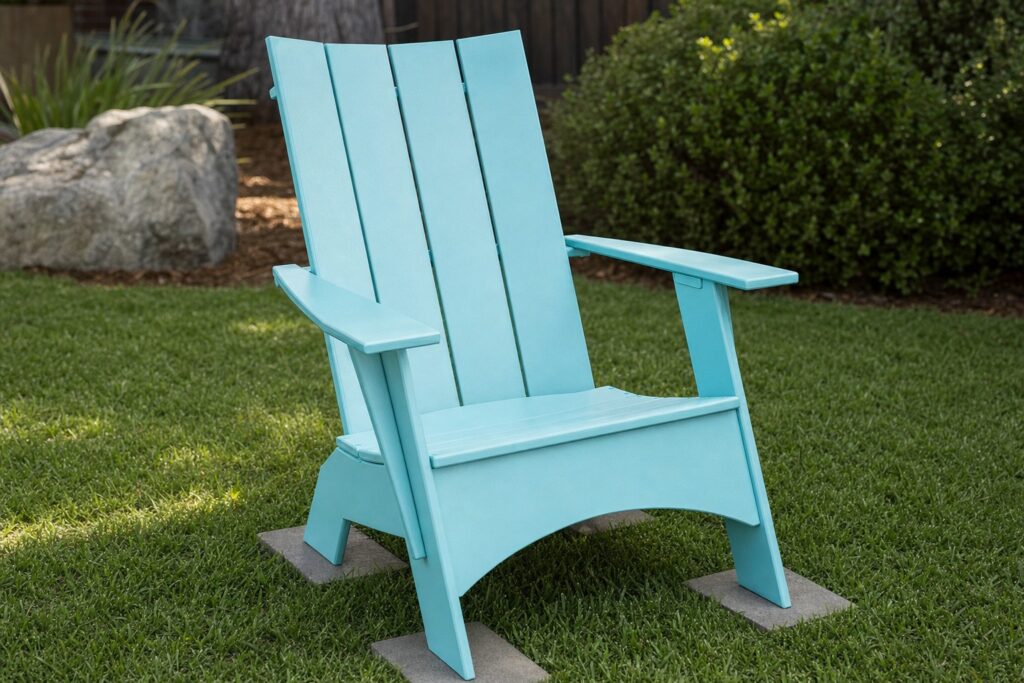
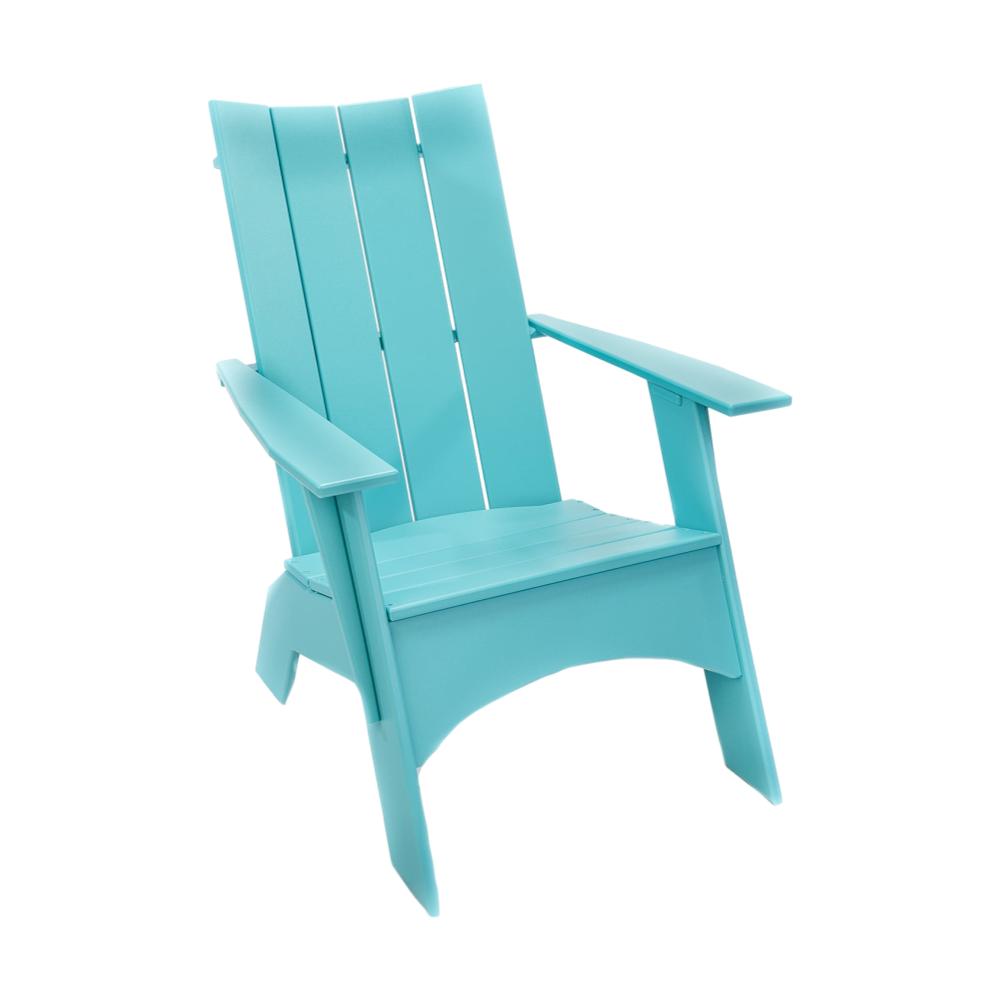
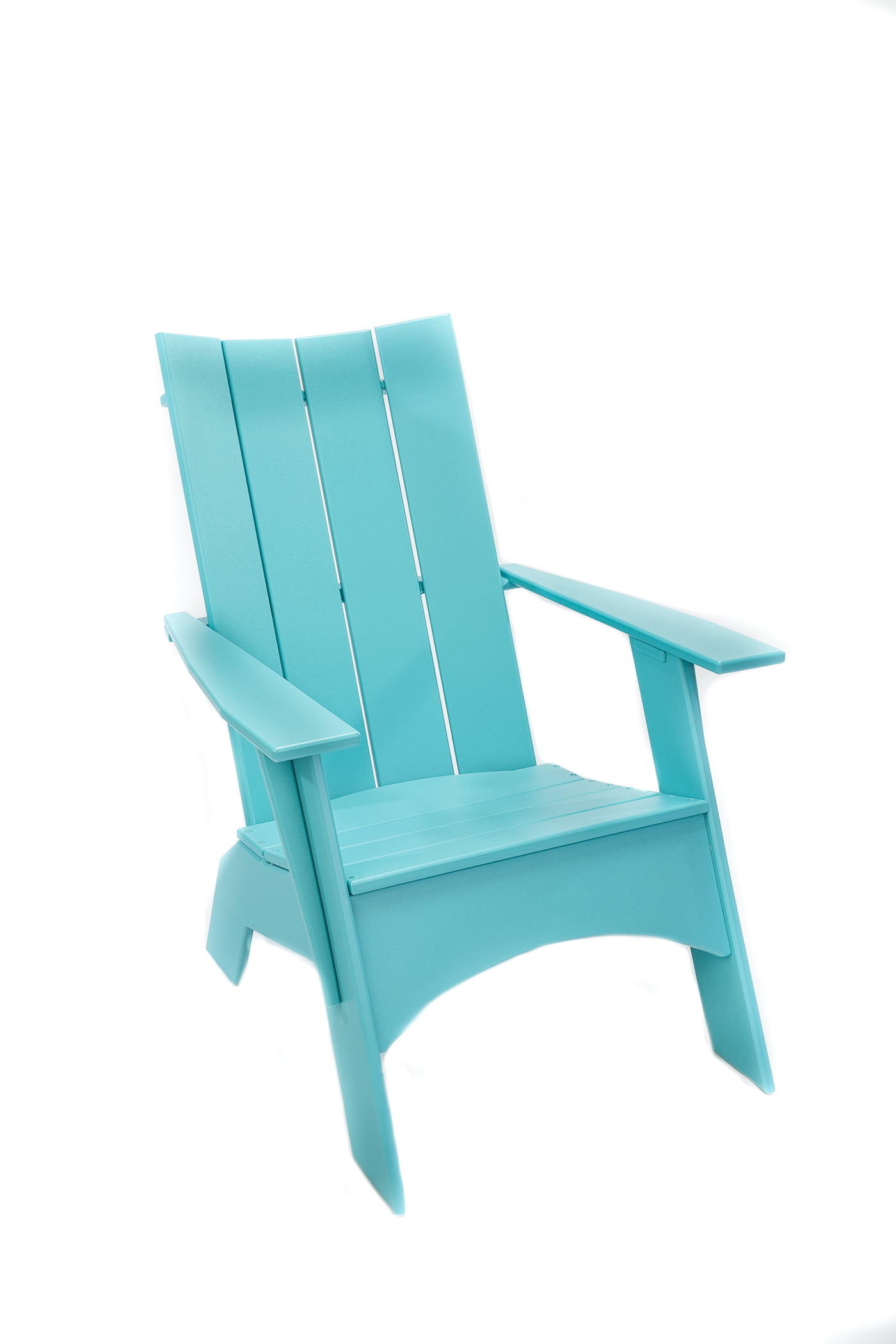
PFTG’s Hampton Adirondack Chair weighs 52 lb. Confirm current dimensions on the product page when planning access and storage. The product weight and base appearance do not establish a tested advantage on uneven ground. Check the exact item’s instructions and use a suitable surface; do not infer lawn suitability from an Adirondack silhouette.
The Hampton Round End Table and Hampton Square End Table each weigh 15 lb. A table also needs appropriate support, even though people are not intended to sit on it. Check that it is stable before placing objects on top and follow the manufacturer’s intended-use instructions.
All PFTG products use Marine Grade Polymer with 3/16-inch stainless steel hardware. These specifications do not promise resistance to every type of ground contact, staining, moisture, or damage. Follow the care instructions for surfaces and hardware, and inspect the complete piece after movement or an impact.
For gatherings, plan the location early enough to check conditions before people arrive. If the surface becomes unsuitable, relocate the seating. Choose a backup area when planning the event, rather than waiting until the lawn is wet and guests are arriving. Count the chairs that fit on the alternative surface while leaving room for movement, and adjust the gathering if there is not enough suitable seating space. Tell anyone helping with setup which location has been chosen; do not leave them to spread furniture across unchecked patches of grass. Include every loose piece in an indoor-storage or appropriate securing plan for severe weather; furniture weight and a sheltered-looking lawn do not establish wind resistance.
When the gathering is over, check the ground before returning the layout to its usual position. Look for newly exposed depressions or areas disturbed by foot traffic, and leave an unsuitable patch out of use. If temporary furniture placement is becoming a frequent compromise, record what the permanent seating area needs: the number of seats, access to the house, maintenance access, and storage. Those notes are a useful starting point when discussing an appropriate prepared surface with a qualified local provider.
Frequently asked questions
Can an outdoor rug stop chair legs sinking into grass?
Do not rely on a rug to provide structural support. Check the ground and the instructions for both products. If the chair sinks, rocks, or lacks suitable support, move it to an appropriate surface.
Are Adirondack runners safer on uneven turf than separate legs?
A base shape alone does not establish that comparison. Use the exact chair according to its instructions and do not infer tested stability from photographs or product weight.
How often should I move furniture to protect the lawn?
There is no universal interval. Monitor the actual ground and turf conditions, and follow relevant local lawn-care guidance. Correct unsuitable support immediately rather than waiting for a rotation date.
Can I leave furniture on grass year-round?
Only use a location that meets the furniture’s instructions and remains suitable. Seasonal moisture and ground changes can affect support. Review the storage and care guidance instead of assuming a material is suitable for continuous soil contact.
Browse the current PFTG collection for product details, or contact the team with a question about your proposed setup before ordering.