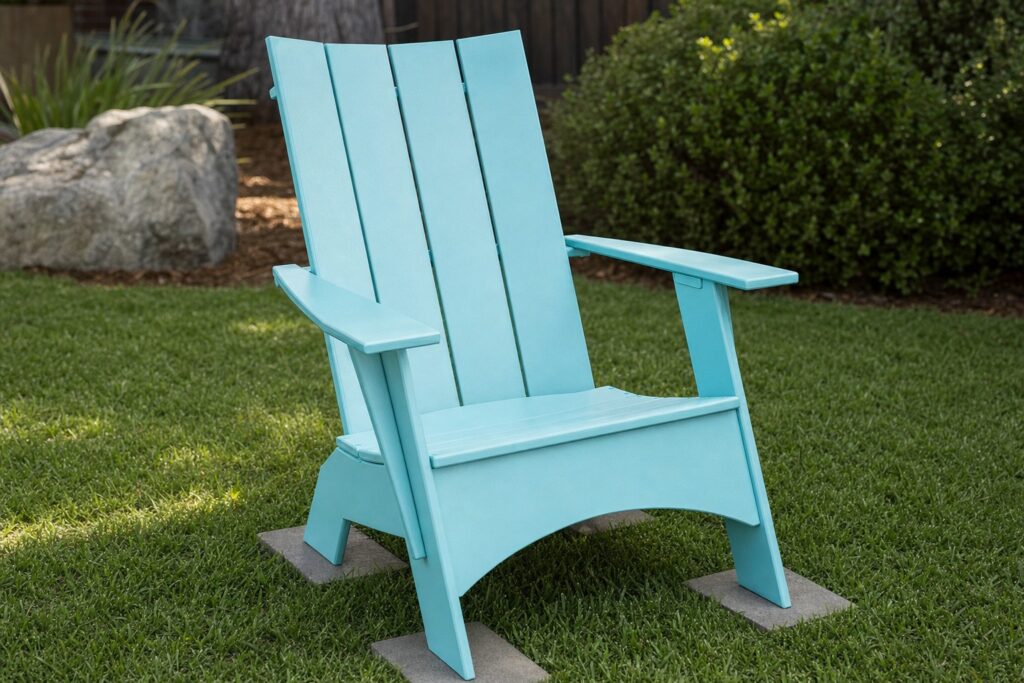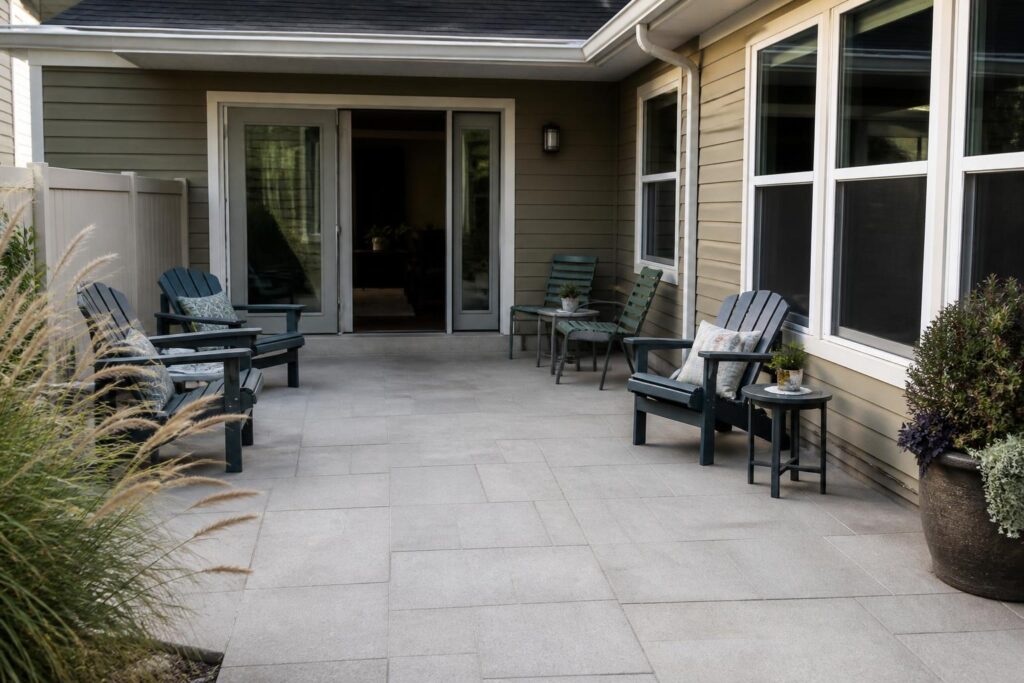

Concrete patios are practical, durable, and easy to live with, but they can still show scuffs, dark streaks, and scratch-like marks over time. If you want to prevent patio furniture marks on concrete, the biggest issues usually come down to trapped grit, dragging furniture, wet debris, worn foot caps, and cleaners that leave residue behind.
The good news is that most concrete marking is preventable with a few smart habits and better furniture setup. Whether you are arranging a dining area, adding Adirondack seating, or refreshing a poolside layout, a little attention to contact points and maintenance can help keep your patio looking cleaner longer.
What usually causes marks on concrete patios
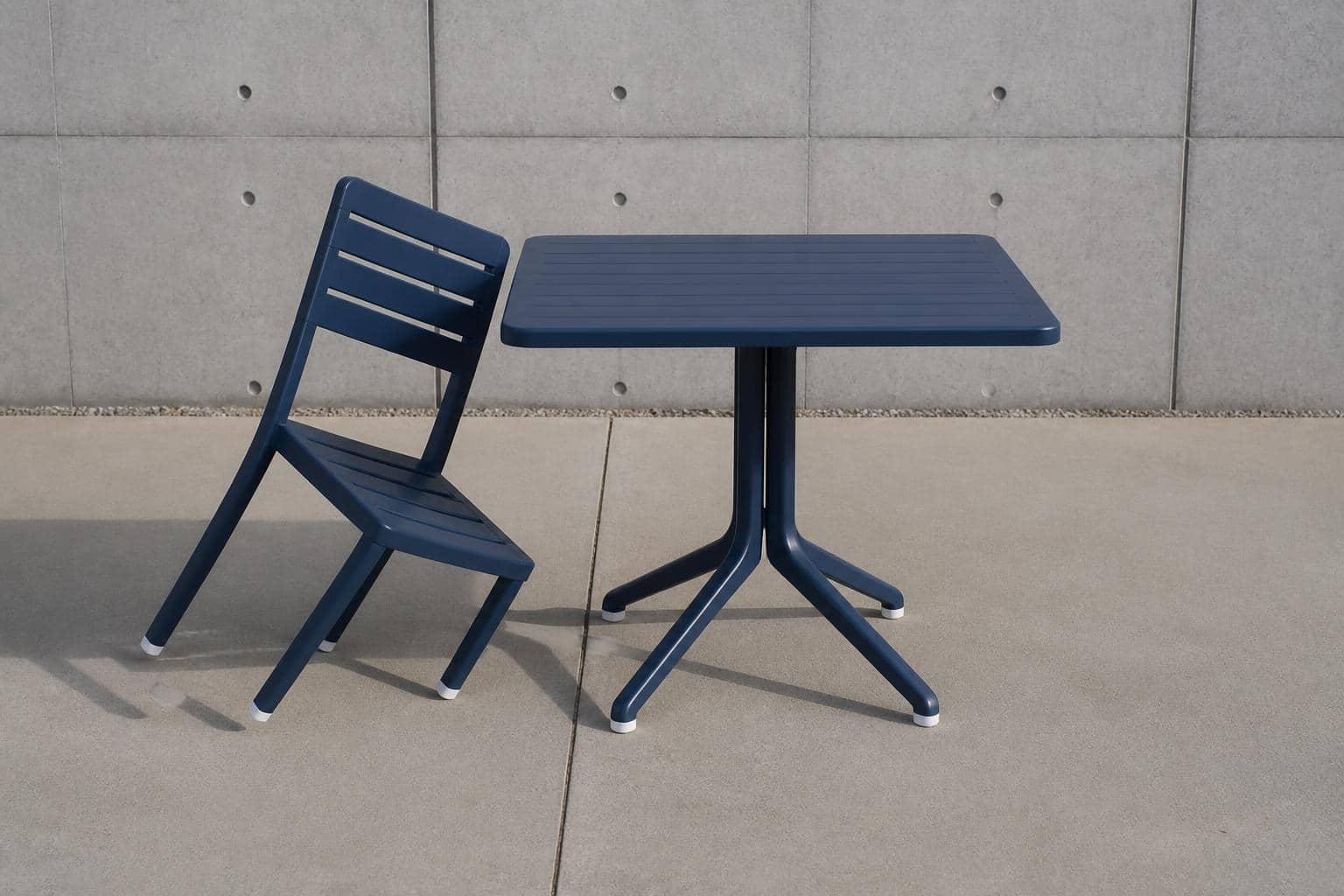
Many homeowners assume patio marks come from heavy furniture alone, but weight is only part of the story. In most cases, the mark happens because something abrasive or sticky gets between the furniture foot and the concrete surface.
Small grains of sand, bits of mulch, dried leaves, and general outdoor dust can collect under chair and table legs. Once that debris gets trapped, even a light shift can grind it across the slab. That creates the gray scuffs and short drag lines people often notice under seating and tables.
Moisture makes the problem worse. When wet leaves or fine dirt sit under a furniture foot, they can create dark rings or patches. If the furniture is moved later, the damp debris may smear and leave a stain-like mark. Some marks are not actual damage to the concrete at all. They are transferred residue from dirt, pollen, leaf tannins, or cleaner buildup.
Furniture design also plays a role. Narrow contact points can concentrate pressure, while mismatched glides or worn caps can create uneven movement. A stable chair that lifts cleanly tends to be easier on concrete than one that rocks slightly or gets pushed sideways often.
Dragging furniture is one of the biggest avoidable problems
Even well-made outdoor furniture can leave marks if it is dragged instead of lifted. This is especially true after a windy day, after landscaping work, or after kids have tracked grit across the patio.
Before moving anything, take a quick look underneath. If you see dirt packed around the feet, rinse or wipe it off first. That one step can prevent a surprising amount of scuffing. Then lift the piece rather than pushing or twisting it into place.
This is also where furniture weight becomes useful to understand. Heavier pieces can feel stable in daily use, but they should still be repositioned thoughtfully. For example, the Hampton Adirondack Chair weighs 52 pounds, while the Armless Cafe Chair weighs 27 pounds, the Counter Height Stool weighs 21 pounds, and Hampton round and square end tables weigh 15 pounds each. None of those pieces should be scraped across the slab when debris may be underneath.
If you refresh your layout seasonally, make it a routine: sweep first, inspect the feet, then lift and place. That habit is much easier than trying to remove concrete marks later.
Trapped grit under feet and glides creates hidden abrasion
One of the most common reasons furniture marks keep reappearing is that the patio gets cleaned, but the bottom of the furniture does not. You can sweep the slab thoroughly and still end up with fresh scuffs if grit remains stuck to the contact points.
Check chair legs, stool bases, and table feet regularly. Fine particles can cling to moisture, spider webs, pollen, and grime. If your patio sits near a driveway, garden bed, lawn edge, or paver border, expect more grit than you may realize.
The best approach is simple:
Remove loose debris with a soft brush or cloth. Rinse away caked-on dirt. Let the feet dry. Then place the piece back on a clean surface. If you use protective glides or caps, make sure they are intact and seated evenly.
Mismatched glides are a frequent issue. If one foot has a worn cap and the others do not, the furniture may shift unevenly and grind the exposed point across the concrete. If one glide is harder, rougher, or shaped differently than the rest, movement can become less smooth. Uniform contact matters more than many people think.
For homeowners shopping for durable outdoor pieces, it also helps to choose materials that are easy to clean and maintain. Marine Grade Polymer furniture is popular for outdoor use because it is built for weather exposure and routine upkeep without the constant refinishing some materials require.
Wet debris can leave dark patches that look worse than they are
Not every mark on concrete is a scratch. Sometimes the patio simply has organic residue pressed into one spot for too long. Wet leaves, grass clippings, flower petals, and mulch dust can all create temporary discoloration, especially under furniture that does not get moved often.
This is common around side tables, dining chairs, and lounge seating where debris blows underneath and stays shaded. Water from sprinklers, rain, or plant watering can keep that material damp long enough to transfer color or create a dirty outline.
To cut down on this problem, move and clean around furniture on a regular schedule. You do not need to make it complicated. A quick weekly sweep and an occasional full reset of the seating area can do a lot. After storms or yard work, check for piles of wet debris collecting at table feet and chair legs.
If you spot a dark mark, start with the gentlest option first: rinse the area, use mild soap if needed, and brush lightly. Avoid assuming it needs harsh treatment right away. Many concrete marks fade once the residue is removed and the slab dries fully.
For general household product safety guidance, the EPA Safer Choice program offers a helpful reference for selecting cleaning products: EPA Safer Choice.
Cleaning products can create buildup that attracts more dirt
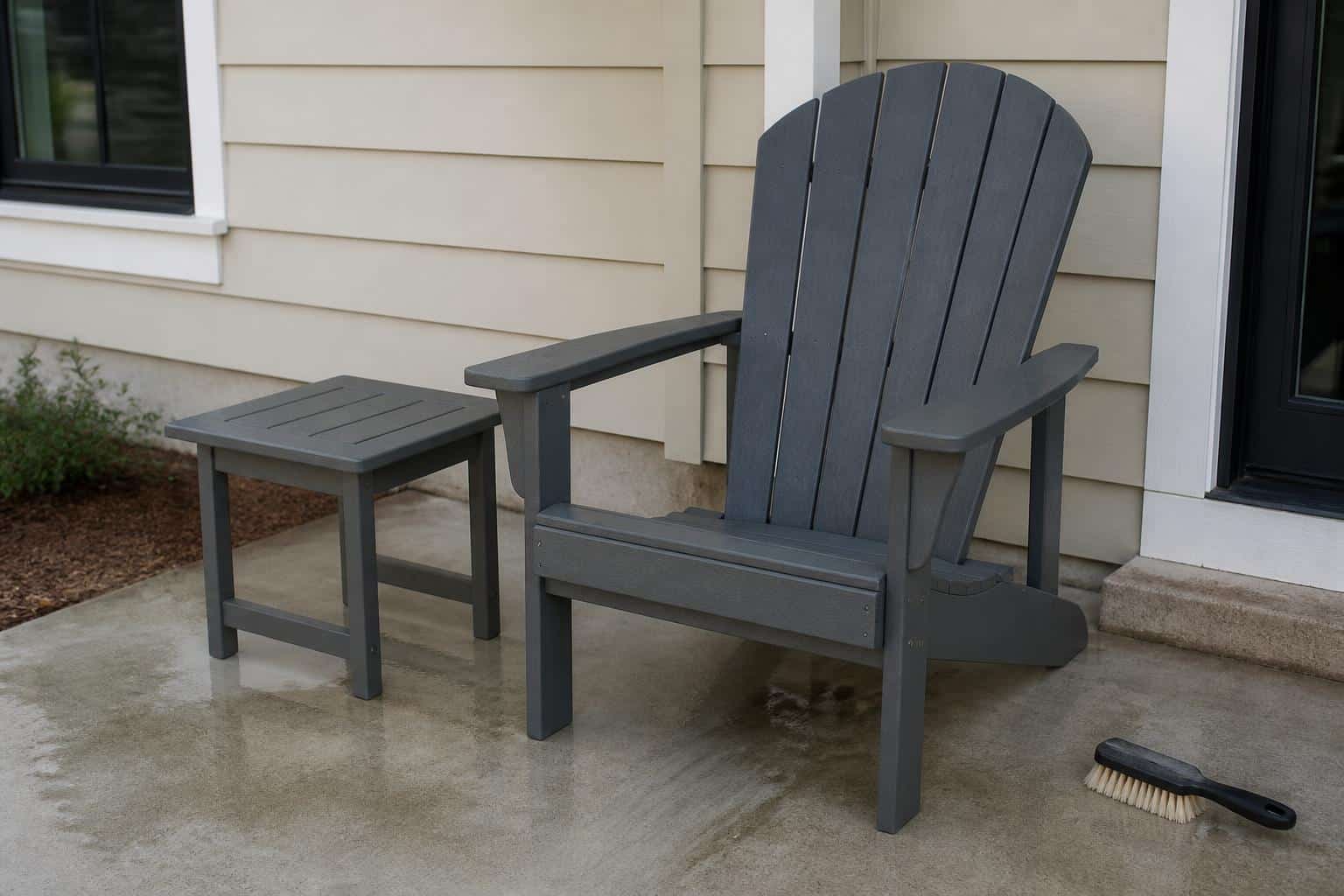
It is easy to focus on the furniture and forget that the wrong cleaner can make concrete look worse over time. Some products leave a film that catches dust and turns foot traffic areas patchy. Others can react poorly with a sealed surface or make residue smear under furniture feet.
If you are trying to keep a patio looking clean, use products sparingly and rinse thoroughly. More soap does not mean a better result. In fact, leftover cleaner can act like a dirt magnet. That sticky layer then transfers to the bottoms of chairs and tables, where it combines with outdoor grit and creates fresh marks.
A practical maintenance routine looks like this:
Sweep first. Rinse next. Use a mild cleaner only where needed. Scrub with a brush suited for concrete. Rinse well. Let the slab dry before putting furniture back in place.
Also pay attention to the furniture itself. Wipe down the bottoms of feet after cleaning the patio. Otherwise, old residue can end up right back on the freshly washed slab.
American Made outdoor furniture built with 3/16-inch stainless steel hardware is designed for long-term exterior use, but any furniture will benefit from a clean contact surface. Keeping both the patio and the furniture feet free of residue is what reduces marking.
Better layout habits can reduce repeated scuffs in the same spots
Some patio marks happen because furniture follows the same path over and over. A dining chair that gets pushed back at a slight angle every day may leave a recurring crescent of scuffs. A stool near an outdoor kitchen may pivot on one point repeatedly. End tables may get nudged a few inches every time the patio is cleaned.
Look for patterns in how the space is used. If marks always appear in the same place, the issue may be movement rather than material. Small changes in placement can help.
Try giving chairs a little more clearance so they can be lifted straight back instead of twisted. Keep table groupings far enough from planters and lawn edges that dirt does not constantly get tracked underneath. If one area stays wet longer than the rest, avoid leaving debris-trapping furniture there for extended periods without checking it.
You may also want to rotate pieces occasionally. That spreads normal wear and makes one section of patio less likely to show concentrated scuffing. This is especially useful in seating zones that stay arranged the same way for months.
Choosing outdoor furniture that supports easier patio care
Furniture alone does not determine whether concrete gets marked, but thoughtful construction and easy maintenance can make prevention much simpler. Pieces that are stable, weather-ready, and easy to clean tend to fit better into a low-hassle patio routine.
Plastic Furniture To Go offers American Made outdoor furniture with free nationwide shipping, a 7-year structural warranty, and a 5-year fade warranty. For homeowners creating a long-lasting patio setup, that combination can be appealing when compared with options that demand more frequent replacement or upkeep.
If you are comparing styles for a concrete patio, think beyond color and silhouette. Consider how often the furniture will be moved, whether the seating area collects grit, and how simple it is to inspect and clean the contact points. Those practical details have a direct effect on how the slab looks after a season of real use.
Marine Grade Polymer furniture is often chosen for outdoor spaces because it suits exposed settings and everyday maintenance. The key is pairing durable furniture with good patio habits: clean surfaces, even feet, and lifting instead of dragging.
A simple routine that keeps concrete looking better
You do not need an elaborate schedule to reduce patio marks. The goal is just to interrupt the cycle of debris, moisture, and friction before it becomes visible.
A realistic routine might include sweeping once or twice a week during heavy pollen or leaf season, checking underneath furniture after storms, and washing the patio as needed with a mild cleaner that rinses clean. Whenever you rearrange furniture, inspect the bottoms first.
It also helps to give extra attention to high-movement pieces. Cafe chairs, stools, and side tables tend to shift more often than larger seating. That means they have more opportunities to pick up grit and make contact in a rough way. A few seconds of preventive cleaning can save much more effort later.
Over time, these small habits do more than reduce marks. They help the whole patio feel more cared for, make seasonal resets easier, and preserve the cleaner look most homeowners want from a finished outdoor space.
Frequently Asked Questions
Can heavy patio furniture damage concrete?
Weight alone does not usually cause visible marks on sound concrete. Most scuffs come from dragging furniture or from grit trapped under the feet. Even with heavier pieces, lifting instead of sliding is the best way to protect the surface.
What is the safest way to move patio furniture on concrete?
Sweep the area first, clean the bottoms of the feet, and lift the furniture into place. Avoid twisting, rocking, or pushing it sideways across dusty or wet concrete.
Do dark marks always mean the concrete is scratched?
No. Many dark marks are transferred residue from wet leaves, dirt, mulch dust, pollen, or cleaner film. Start with a gentle wash before assuming the slab is permanently damaged.
How often should I clean under outdoor furniture?
For most patios, a quick weekly check is enough, with extra attention after storms, yard work, or heavy leaf drop. Areas under chairs and small tables usually need the most frequent cleaning.
Shop outdoor pieces designed for long-term exterior use at /shop/, or contact us online if you want help narrowing down a patio layout that is easier to maintain on concrete.