It is easier to read outdoor furniture dimensions online when you know what each measurement actually controls in your layout. A product page can tell you a lot, but only if you translate width, depth, height, and clearance into the way people will really sit, walk, and move around a patio.
This guide breaks down the terms buyers see most often so you can compare pieces with confidence, avoid crowding, and choose furniture that fits both your space and the way you plan to use it.
Start with the difference between furniture size and usable space
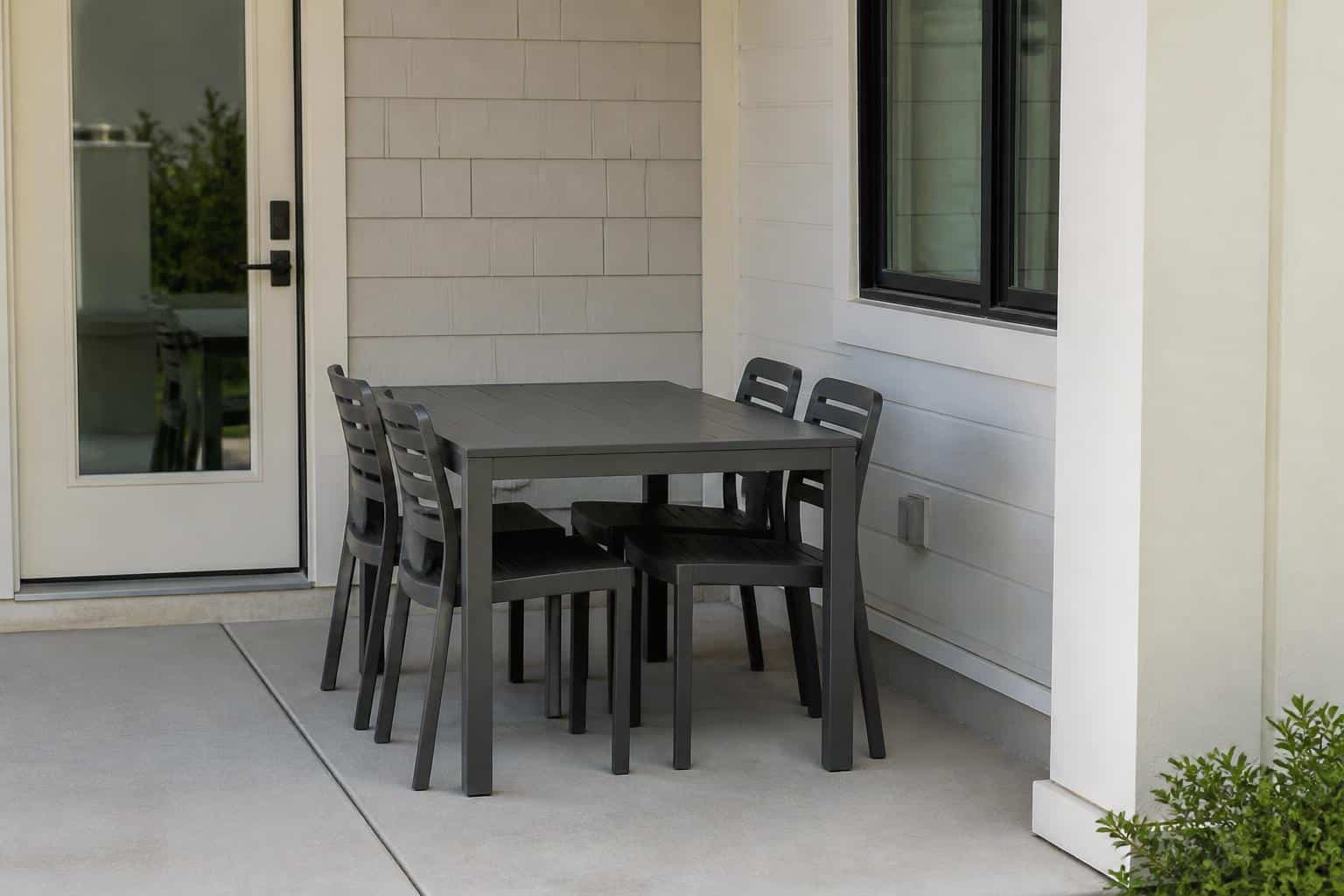
One of the most common buying mistakes is treating listed dimensions as if they describe only the seat or tabletop. In most cases, the numbers on a product page describe the furniture’s overall size, not just the usable sitting area. That means the widest or deepest point of the piece may include arms, a back angle, or the outer edge of the frame.
For patio planning, separate each item into two ideas:
Overall dimensions are the full outside measurements of the piece.
Usable space is the portion your body or accessories actually occupy, like the seat between the arms or the open surface on a table.
If a chair has broad arms, for example, the overall width may be much larger than the seat width. That matters when placing several chairs side by side. A piece can look compact in a photo but still need more room than expected once you account for the full footprint.
When browsing outdoor furniture online, read every dimension as part of a layout plan, not just a product spec.
Overall width tells you how many pieces really fit
Overall width is usually the first number to check when you are arranging seating along one side of a patio, balcony edge, or dining table. This dimension measures the item from the farthest left point to the farthest right point.
Width matters in two ways. First, it determines how many chairs can physically fit in a row. Second, it affects comfort between seats. Even if two chairs technically fit, guests may feel cramped if armrests nearly touch.
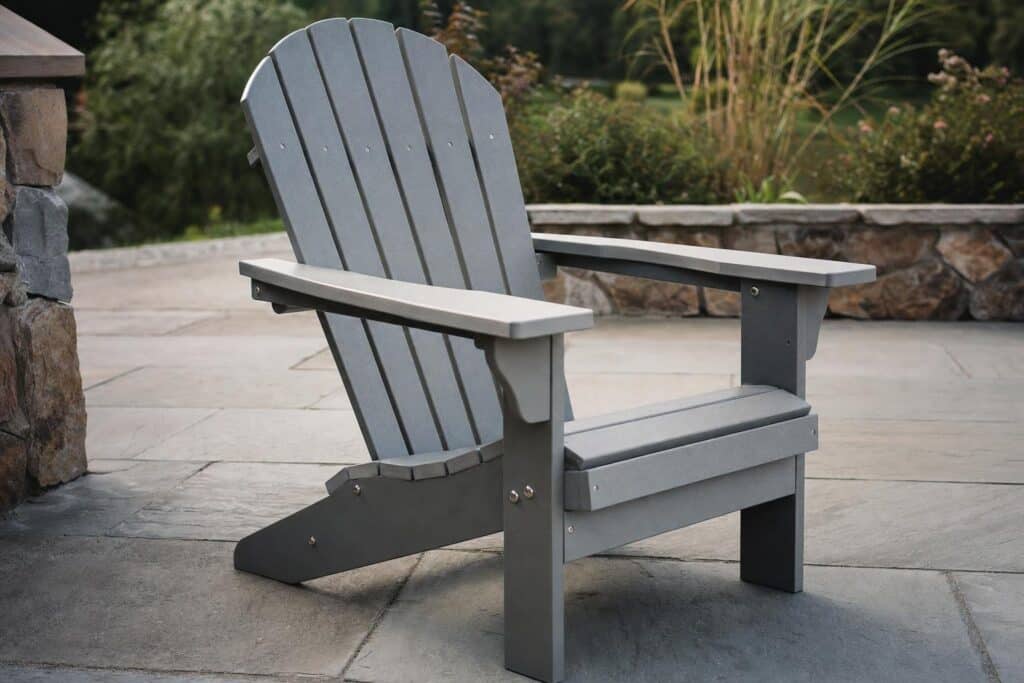
Here is a practical example. The Hampton Adirondack Chair is a substantial 52-pound chair, which tells you it is a grounded, full-size seating piece rather than a lightweight occasional seat. That kind of chair deserves enough side-to-side room so the wide, relaxed profile can work the way it is intended to work.
If you are comparing that with the Armless Cafe Chair, the planning logic changes. At 27 pounds and without arms, that style is usually easier to place more tightly around a dining or conversation setup. The lesson is simple: width is not just a number on a page. It shapes density, comfort, and traffic flow.
As you review a chair width online, ask yourself:
Will arms increase the total space needed?
How many inches do I need between chairs for comfort?
Will the chair sit beside a table, wall, railing, or planter?
Those questions make width meaningful before the furniture ever arrives.
Seat height affects comfort more than most shoppers expect
Seat height is the distance from the ground to the top of the seat. It influences how easy a chair is to get into and out of, whether your knees feel comfortable, and how well the chair pairs with a table.
For dining setups, seat height has to work with table height. For lounge seating, it has to match the type of posture you want. Lower seats usually feel more relaxed and laid back. Higher seats often feel easier for everyday sitting and standing.
This is where shoppers can get tripped up by product photography. A deep lounge chair may look upright in one image and lower in another depending on styling and camera angle. The listed seat height tells the real story.
Seat height also matters for accessibility and route planning. If you are organizing furniture around walkways or transition areas, it helps to think beyond the item itself and look at circulation space too. For a useful reference on clear access paths, review the Accessible Routes guidance.
Even if you are not building a formal accessible layout, this way of thinking helps keep patios functional and easier to move through.
Arm height changes how a chair works at a table
Arm height is often overlooked, but it can decide whether a chair tucks under a table or sits too high to pull in comfortably. This is especially important if you want a clean, space-saving dining arrangement.
A chair can have a seat height that seems perfect, yet still feel awkward if the arms hit the apron or underside of the table. On a product page, arm height gives you a clue about that relationship. If you already know your table clearance, you can compare it directly.
Arm height also affects comfort when you are reading, eating, or sitting for longer stretches. Taller arms may feel more supportive in a lounge chair. Lower or absent arms can make a chair more flexible in tighter footprints.
That is one reason armless seating remains useful in compact outdoor dining areas. Without side extensions, the practical space per chair may shrink even if the seat itself still feels generous. For buyers trying to fit more guests around a table, arm height and arm presence are worth checking before style details.
Depth tells you how far furniture projects into the patio
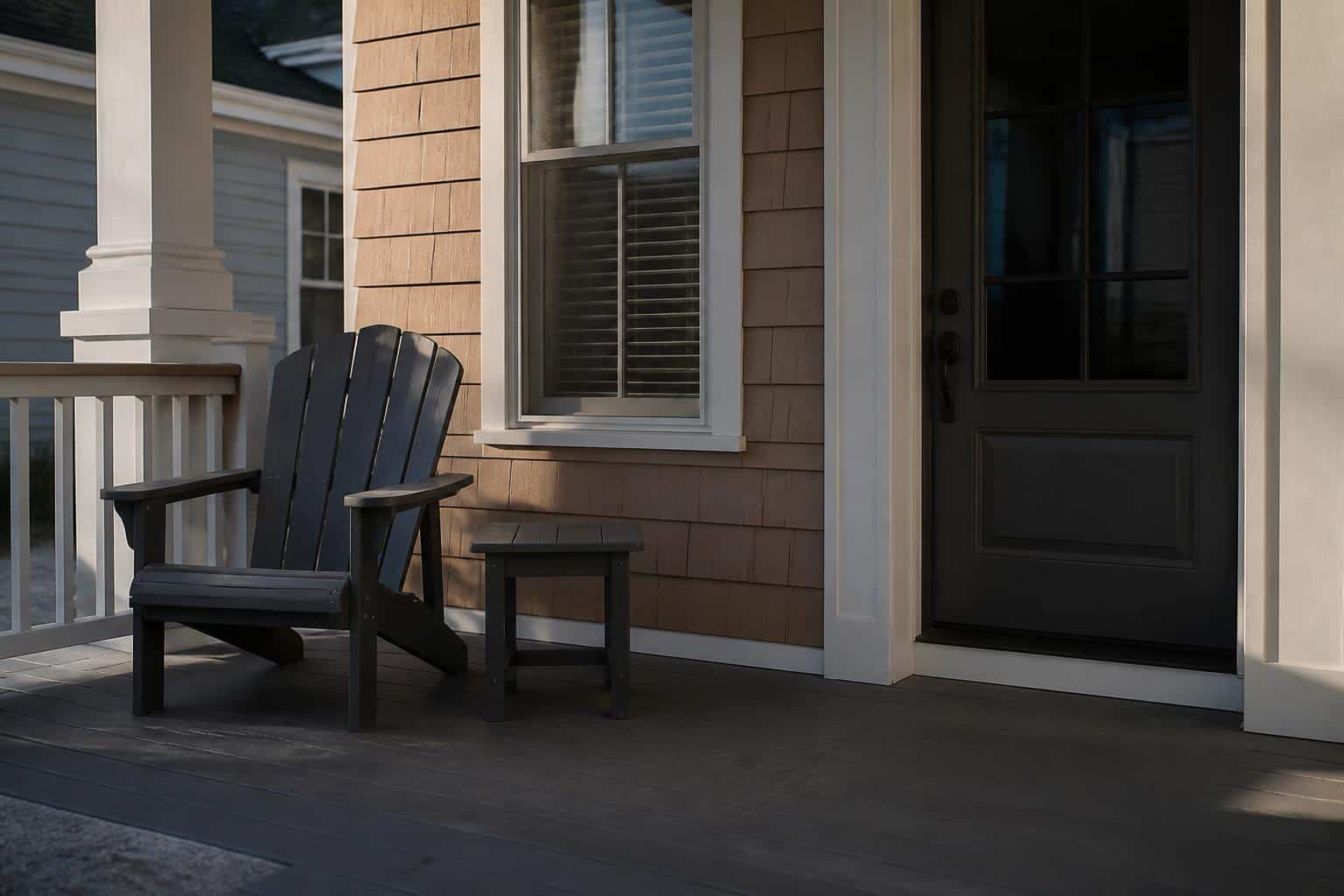
Depth is the front-to-back measurement of a piece at its deepest point. This is the dimension that most often causes layouts to feel crowded, because people usually plan for width first and forget how far each chair extends into the room.
A deep Adirondack-style chair can create a relaxed look, but it also projects farther into the patio than a simpler upright dining chair. That affects walking paths, door swings, and how close you can place an ottoman, fire pit, or coffee table.
Depth also has a comfort side. Deeper seats can feel more lounge oriented, while shallower seats may feel more upright and dining friendly. Neither is better on its own. The key is matching depth to the use of the space.
When you read depth online, think about three zones:
The furniture zone: the actual footprint of the piece.
The body zone: room for knees, feet, and a natural seated posture.
The movement zone: the space people need to walk past without turning sideways.
If your patio is narrow, depth may matter more than width. A setup with slimmer projection can preserve a much better traffic pattern, even if each seat is not dramatically smaller overall.
Footprint and clearance are not the same thing
Footprint is the amount of floor area a furniture piece occupies. Clearance is the extra open space around it that makes the layout usable. Buyers often plan for footprint and forget clearance, which leads to chairs that fit on paper but feel inconvenient in real life.
For example, a side table may have a small footprint, but if it blocks the natural path between seating and a doorway, the arrangement still fails. The same goes for chairs that need room behind them to slide, pivot, or simply allow someone to pass by.
Try this simple planning sequence:
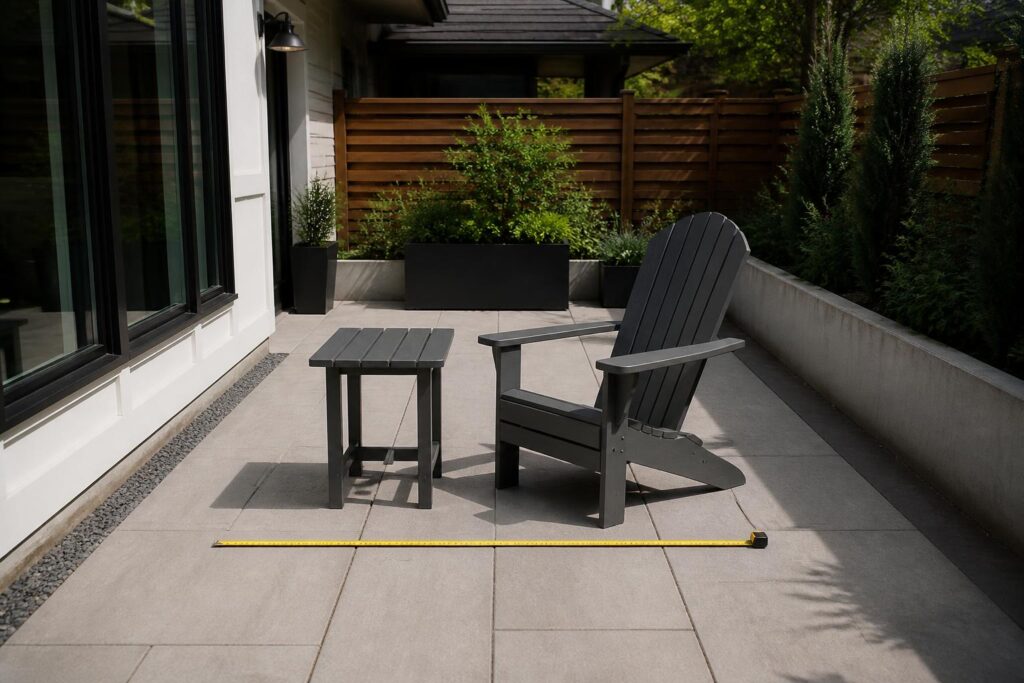
Measure the total patio area.
Sketch the fixed obstacles such as doors, posts, grills, or railings.
Add the full footprint of each furniture piece.
Then add clearance around seating edges and travel paths.
This final clearance step is where layouts become realistic. It also helps explain why two sets with similar style can behave very differently in the same space.
Weight can support your expectations here too. A 21-pound Counter Height Stool or a 15-pound Hampton round or square end table may be easier to shift during casual entertaining, while a 52-pound lounge chair is likely to anchor a seating area more permanently. The point is not to guess dimensions from weight, but to remember that use patterns and movement matter when you assign each piece a location.
Use a simple mock layout before you buy
You do not need design software to test whether outdoor furniture dimensions work. A basic mock layout can prevent expensive sizing mistakes and takes only a few minutes.
Start with painter’s tape, string, or cut paper rectangles. Mark the outside width and depth of each item on the ground. Then walk through the space as if the furniture were already there. Pull out an imaginary chair. Stand beside it. Pretend to carry a tray or open a door.
This exercise quickly reveals whether a setup only fits mathematically or truly functions well.
For shoppers buying online, this step is especially useful because product photos can compress space. A camera lens can make a furniture grouping appear airy even when the actual dimensions are more compact than expected. Your mock layout brings the numbers back to real life.
As you compare options, pay attention to material and construction details too. Plastic Furniture To Go offers American Made outdoor furniture built with Marine Grade Polymer, 3/16-inch stainless steel hardware, free nationwide shipping, a 7-year structural warranty, and a 5-year fade warranty. Those details help you evaluate long-term value once you know the size is right.
How to compare different chair styles on product pages
When several chairs seem similar, use a side-by-side checklist instead of relying on appearance alone. Focus on the measurements that directly affect your layout and comfort.
Check these in order:
Overall width: best for spacing chairs in a row or around a table.
Overall depth: best for preserving walkways and door clearance.
Seat height: best for table pairing and ease of sitting down.
Arm height: best for tuck-under compatibility and support.
Total profile: upright dining, casual cafe, or deep lounge.
This method helps you compare styles that serve different needs. An Armless Cafe Chair may support denser dining layouts, while a larger Adirondack profile may be a better fit for slower, comfort-first seating zones. Reading dimensions with the intended use in mind is what turns a product page into a planning tool.
If you are furnishing a mixed patio, it can also help to divide the area into functions first. Dining near the grill, lounging near the view, and flexible stools near a serving area each call for different dimensional priorities. Once the use is clear, the numbers are much easier to interpret.
Frequently Asked Questions
What is the most important outdoor furniture measurement to check first?
Start with overall width and overall depth. Together, those tell you the true footprint of the piece and whether it can fit your patio without crowding paths or neighboring furniture.
How much space should I leave around outdoor chairs?
The exact amount varies by layout, but you should always plan for more than the furniture footprint itself. Leave enough room for someone to sit down, stand up, and pass by comfortably without bumping into tables, walls, or other chairs.
Can I tell if a chair will work with my table from the product page?
Yes, if you compare seat height and arm height against your table’s available clearance. Seat height affects sitting comfort at the table, while arm height helps determine whether the chair can slide in neatly.
Does furniture weight help me choose the right piece?
Weight does not replace dimensions, but it does help you understand how a piece may behave in daily use. Heavier seating often feels more anchored, while lighter chairs, stools, and end tables may be easier to reposition.
Use the patio furniture fit calculator to see how overall widths, depths, gaps, and space in front combine in a simple seating row.
Shop the full collection to compare outdoor furniture dimensions, chair styles, and table options with free nationwide shipping.