
An outdoor furniture warranty is a written commitment with conditions. The headline number is useful, but it does not explain which parts are covered, which problems qualify, what evidence is needed, or how a claim is handled. Before comparing two warranty periods, read the terms for the exact products and intended use. This guide explains the questions to ask and where Plastic Furniture To Go’s structural, fading, and return policies fit.
Read what the warranty actually covers
Begin with the covered product and components. A policy may distinguish the frame, hardware, finish, cushions, or accessories. Check whether the coverage applies to the whole item or only specified parts. Do not assume that the product with the longest headline term offers the broadest protection for the issue you are concerned about.
Next, identify the covered problems. Structural defects, fading, delivery damage, and normal wear are not interchangeable categories. Read how the seller describes each one and which exclusions apply. A structural warranty should not be paraphrased as a promise that the chair cannot break or become damaged.
Check the start of the coverage period and any requirements tied to the purchaser, proof of purchase, or intended use. If you plan to use furniture at a rental property, business, or shared facility, ask whether the written policy covers that situation. Do not assume that all residential policies have the same exclusions.
Separate warranty duration from expected lifespan
A seven-year warranty is a seven-year coverage term under its conditions. It is not proof that a product will last seven years, fail immediately afterward, or outlast a competitor with a shorter policy. Exposure, use, care, construction, and individual condition all affect ownership. Avoid converting a written term into a guaranteed replacement interval.
The same distinction applies to fading coverage. A fading warranty describes a commitment and its conditions; it does not establish that a finish never changes outdoors. Read the complete language and ask how a potential claim is assessed if that is unclear.
The Federal Trade Commission’s consumer warranty guidance explains why reading the warranty before purchase and keeping records matter. Use the seller’s current written terms for product-specific questions. This buying checklist helps you compare those terms; it does not replace the policy or determine the outcome of a particular claim.
Check the practical steps for getting help
Find the seller’s stated contact method and claim process before ordering. Record the model, purchase date, order number, and any instructions about photographs or inspection. Save the order confirmation and the product information you relied on. Those records can make a future question easier to explain.
If a problem appears, photograph the affected area and the complete piece, note when you first observed it, and contact the seller for instructions. Stop using furniture that appears damaged or unstable until the issue has been resolved. Do not assume that a repair, replacement part, shipping arrangement, or reimbursement is approved before the seller confirms the applicable process.
Follow the product’s care and assembly instructions. A general cleaning article or another brand’s recommendations may not apply to the finish and hardware you own. Keep a record of relevant maintenance or replacement parts, particularly if you are asking about a recurring connection or surface problem.
Consider serviceability alongside the warranty. Ask whether instructions and replacement parts are available and how to identify the correct component. A clear answer to those practical questions can help with ownership even when a problem falls outside warranty coverage.
Compare PFTG’s warranty with its separate return policy
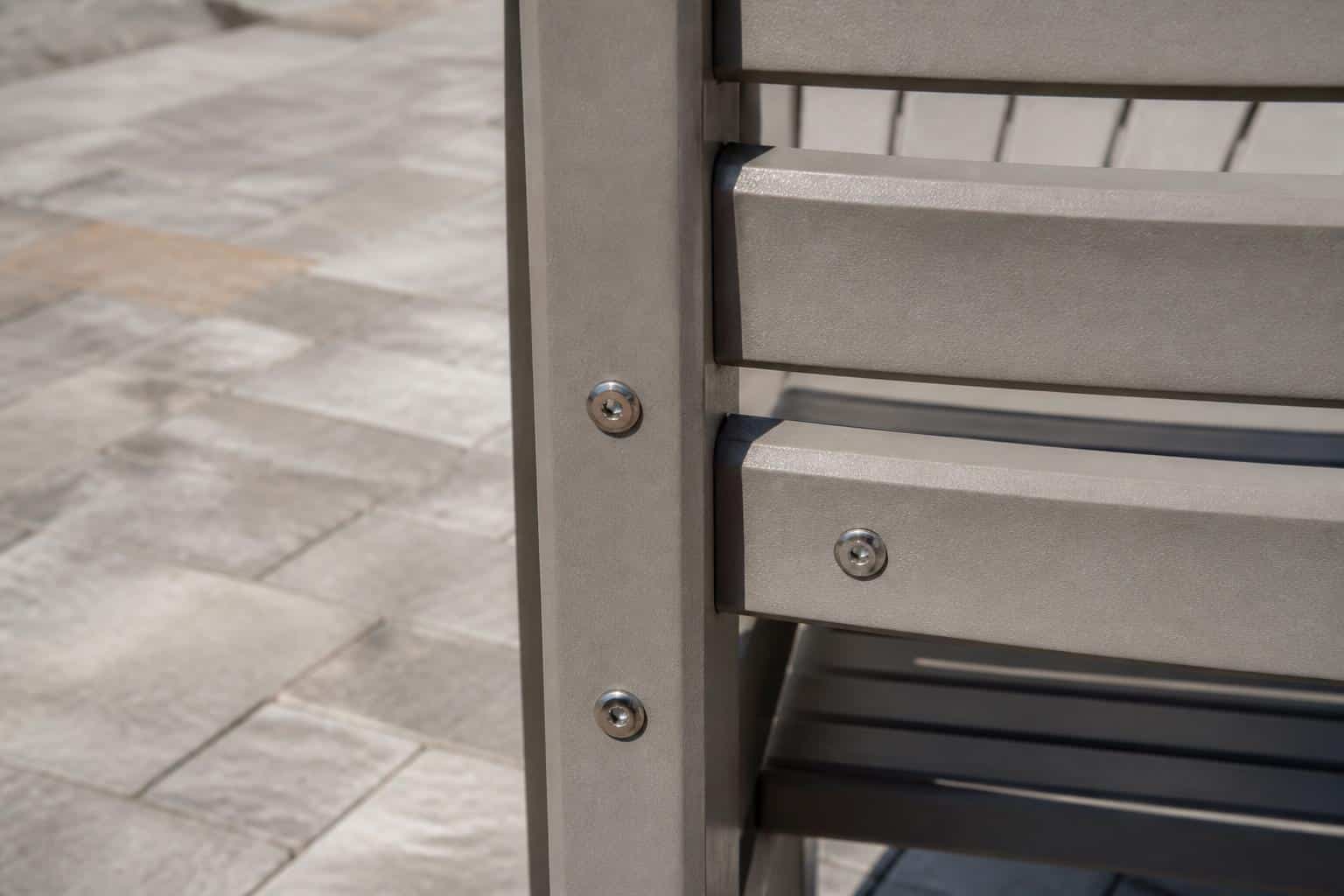
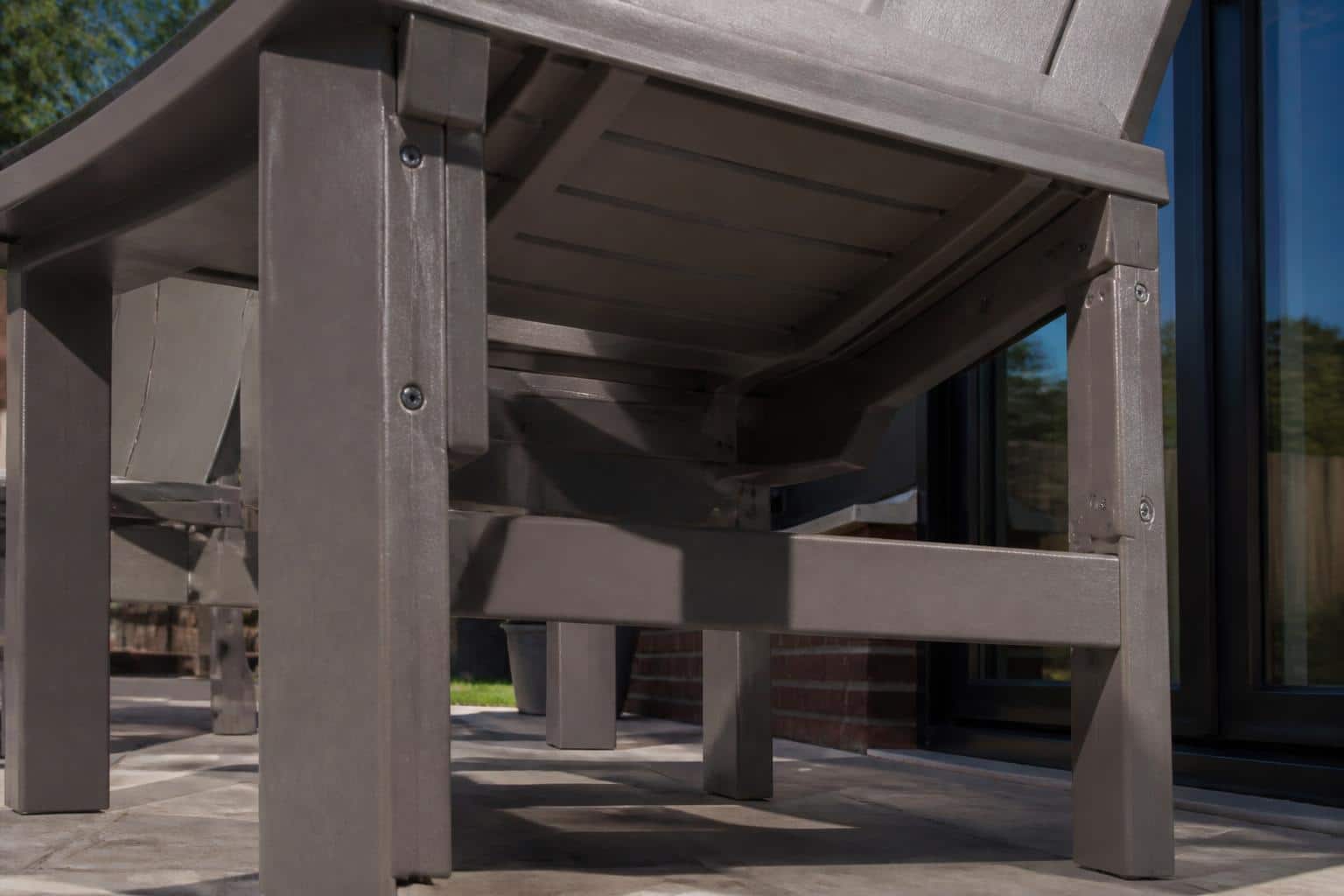
Plastic Furniture To Go provides a seven-year warranty covering structural defects in materials and workmanship and a five-year warranty against fading, subject to the written terms. The furniture is American Made and uses Marine Grade Polymer with 3/16-inch stainless steel hardware. These are separate product and policy facts; they should not be combined into a promise of universal durability.
The returns and warranty page contains the current terms. Read it before ordering and use the contact form if your intended use or a coverage question is not answered. PFTG communicates online; a public phone number is not part of the buying process.
Returns address whether and how an item can be sent back under the return policy. PFTG has a 30-day window from receipt for qualifying new, unused, unassembled items in original packaging with proof of purchase. Customers pay return packaging and freight except for seller-error returns. Refunds exclude original shipping.
Free shipping to the contiguous U.S. on the original order does not make return shipping free. Likewise, a warranty does not automatically extend the return window or remove the return conditions. Inspect the delivered items and keep the packaging while you confirm the order. Contact the seller promptly about damage or an incorrect item before taking further steps.
When comparing brands, put these terms in separate columns: structural coverage, fading or finish coverage, excluded uses, claim process, return window, eligible condition, and freight responsibility. That provides a clearer decision than ranking policies by the largest number alone.
Frequently asked questions
Does a longer warranty mean a chair will last longer?
Not necessarily. Warranty duration is a coverage term, not a tested lifespan. Compare the actual terms, product specifications, care requirements, and support arrangements.
Does a fading warranty mean the color never changes?
No. Read the policy’s definition of covered fading and its conditions. Do not treat the presence of a warranty as a guarantee against every visible change.
Is shipping damage handled like a change-of-mind return?
Report the issue promptly and follow the seller’s instructions. The applicable process and freight responsibility can differ, so document the cartons and item before discarding packaging or assembling it.
What records should I keep?
Keep the order confirmation, receipt, model information, relevant policy terms, and any care or assembly instructions. Save correspondence and photographs if you report a problem.
Review the policies alongside the current furniture collection so your choice accounts for fit, handling, assembly, and the written terms as well as appearance.
Related guides: Outdoor Furniture Return Policies, Buying Outdoor Furniture Online: A No-Showroom Checklist, and How Long Does Plastic Outdoor Furniture Really Last?.

