Good deck furniture ideas start with how you actually use the deck, not with a catalog of shapes. A deck is usually a raised, rectangular space with railings, stairs, a door to the house and often a grill. Those fixed features decide where furniture can go long before style does. This guide walks through zones, clearances, sun and traffic so your seating feels planned instead of squeezed in.
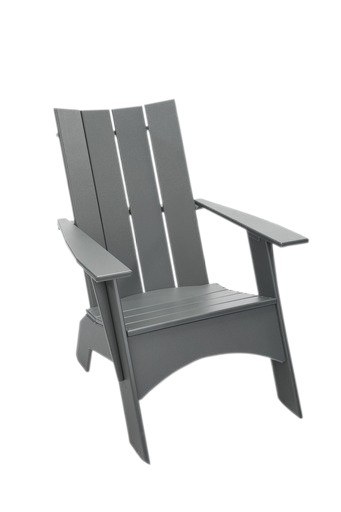
Plastic Furniture To Go sells a focused range for decks: the Hampton Adirondack Chair, the Armless Cafe Chair, the Counter Height Stool and the Hampton round and square end tables. The ideas below use only those pieces, and anything else you add, such as an umbrella or a dining table, would be a third-party item.
Think in Zones Before You Think in Pieces
Most decks do best when you divide them into two or three small zones instead of filling the surface evenly. A lounge zone holds relaxed seating and is where people linger. A dining or snack zone sits closer to the kitchen door. A drink perch, often along a railing, gives guests a place to stand and talk without crowding the main seating.
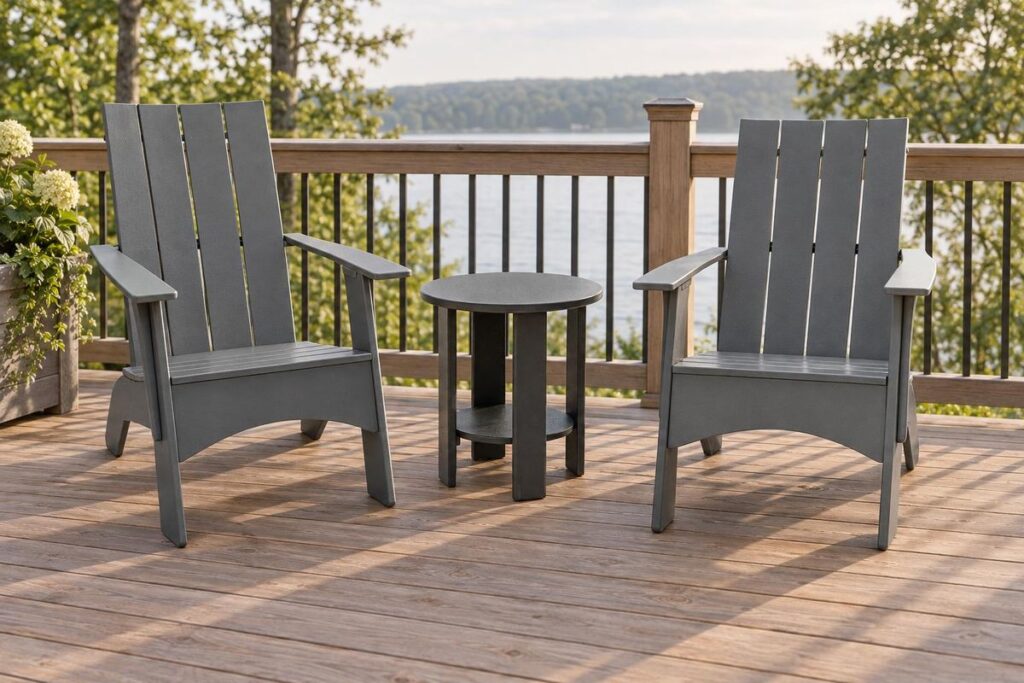
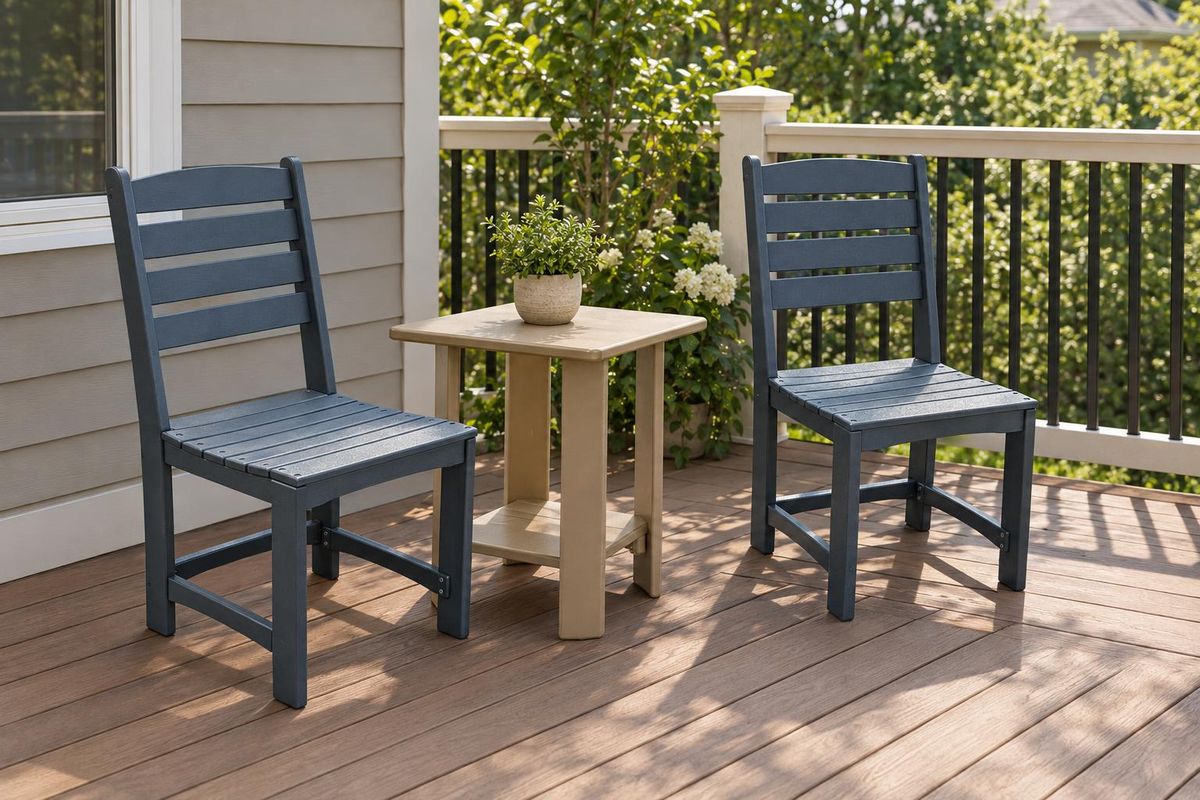
On a modest deck you may only have room for one and a half zones, and that is fine. Pick the one you will use most and give it breathing room. A pair of Adirondack chairs with a small table between them can be a complete lounge zone, as shown in the set of two with a table layout guide. If you want a place for quick meals, two cafe chairs and a small table in a corner can serve that purpose without taking over the deck.
Walk the deck and picture a normal Saturday. Where do you set down a plate? Where do guests stand while you cook? Furniture that follows these habits gets used. Furniture arranged only to look balanced from the lawn tends to end up pushed aside.
Keep the Door, Stairs and Railings Clear
The first rule of deck layout is to protect the paths. Leave a comfortable walking lane from the house door to the stairs, and a second one to wherever the grill or storage sits. If you have to turn sideways to pass a chair, the chair is in the wrong spot. The guide to spacing patio chairs covers how much room people need to stand up, pass behind a seat and carry a tray.
Stair openings deserve extra caution. Keep furniture back from the top step so nobody backs into the opening while pushing a chair out. Doors that swing outward need a clear arc, and gates in the railing should open fully without moving anything. If anyone in your household uses a walker or wheelchair, the accessible layout guide explains how to keep wider lanes.
Railings are useful but not universal. Seating placed right against a railing gives you a view and saves floor space, though it also blocks the rail for anyone who wants to lean on it. Many people find that a single chair or stool at the rail, with open floor behind it, feels better than a full row of seats facing out.
Let the Sun Help Decide the Layout
The direction your deck faces changes how it feels at different hours. A south-facing deck tends to get strong light for most of the day, so shaded corners are valuable and worth giving to the seating you use at noon. A west-facing deck can be pleasant in the morning and demanding in the late afternoon, so many owners place the main lounge toward the shadier end. An east-facing deck is often comfortable for coffee and cooler by evening. A north-facing deck may stay shaded and a little damp, which affects how often you wipe things down.
Plastic surfaces can feel warm after a long stretch in direct sun, so consider placing the seats you use most where the afternoon light is softer. Our guide to protecting outdoor furniture from the sun goes into this in more detail, and the full-sun chair color guide helps if your deck has little shade. Remember that the sun moves through the seasons, so a spot that is shady in summer may be bright in winter.
Choose the Right Seat for Each Spot
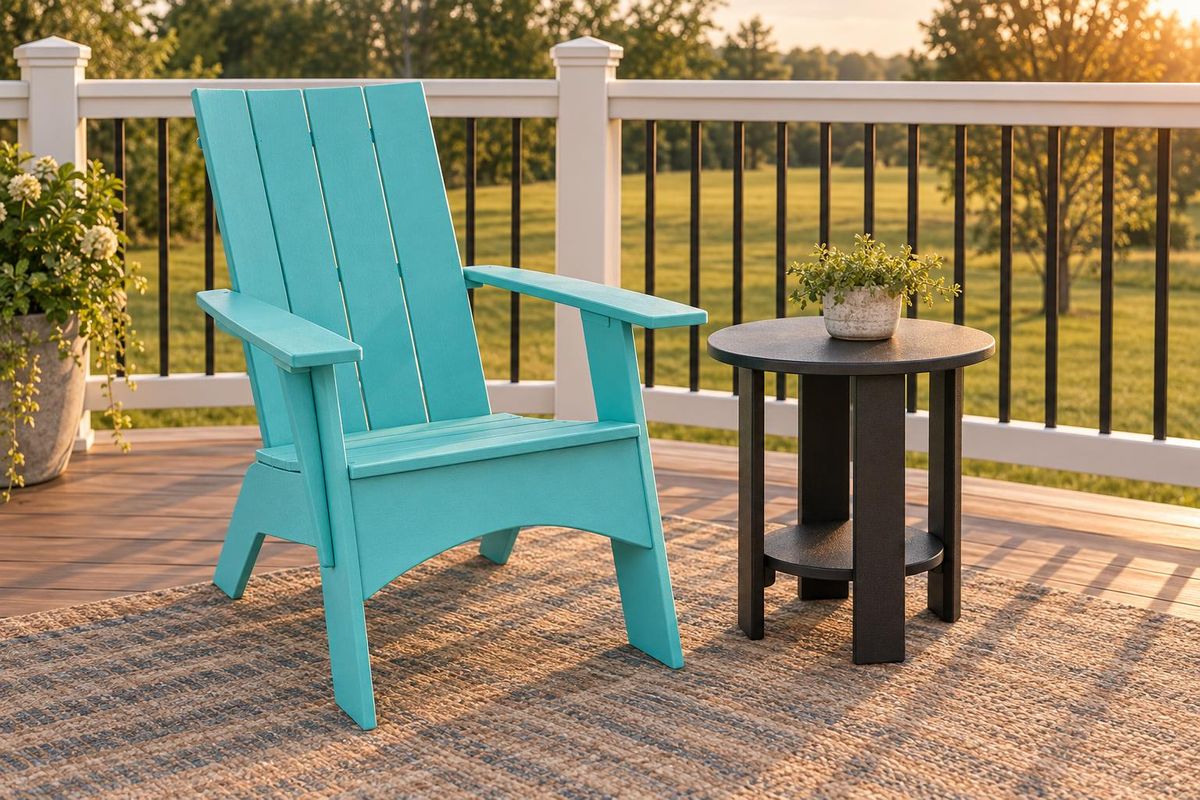
Different parts of the deck suit different seats. The Hampton Adirondack Chair has a seat height of sixteen inches and weighs fifty-two pounds, which makes it a settled, relaxed seat for the lounge zone. Because it is a heavier chair, it stays put better than a very light one, though you will want to plan its spot rather than rearrange it often. If you do plan to shift chairs seasonally, the moving and storing guide has practical tips.
The Armless Cafe Chair, at twenty-seven pounds with a seventeen-inch seat height, is easier to slide in and out and works well where space is tight or where people come and go. The Counter Height Stool has a twenty-five inch seat height and suits a railing perch or a raised counter. If you are weighing the first two, Adirondack chair versus cafe chair lays out the trade-offs, and stool seat height comfort helps with rail-height seating.
Add a Hampton end table beside each lounge chair or between two chairs. At fifteen pounds each, the round and square tables are easy to move when you need a clear path. The round versus square table guide can help you pick, and the page for each product lists its dimensions so you can check fit against your deck.
Grills, Heat and Fire Safety
Grills and fire features need generous space on a deck, and the manufacturer’s clearance instructions always come first. As a general planning habit, keep seating well away from any heat source and from the path you walk while carrying hot food. Plastic furniture should not sit near open flame or very hot surfaces, so give your cooking area its own corner and keep chairs outside that zone.
Think about smoke direction too. If the wind usually blows from the grill toward the lounge chairs, swap the two areas, or place the lounge on the upwind side. For a deck that has a fire pit nearby, see arranging Adirondack chairs around a fire pit, which covers spacing in more depth.
Material and Surface Considerations
The surface of your deck matters. Furniture feet can leave marks on some finishes and slide on others, and composite boards behave differently from wood. If your deck is composite, read about plastic patio furniture on a composite deck. Check boards for gaps and uneven spots before you settle on positions, since a chair that rocks slightly is a chair nobody trusts.
Wind is another deck reality, because raised decks catch more breeze than ground-level patios. The National Weather Service wind safety page is a good reminder to secure or store loose items before strong gusts, and our guide on how heavy patio furniture should be for wind covers the planning side.
A Simple Way to Test Your Plan
Before you buy, mark the footprint of each piece on the deck with painter’s tape or cardboard. Leave the marks down for a few days. Walk through them with a tray, sit in the spots at different times of day and see whether the plan still feels right. If you are unsure how the pieces will look together, the small patio layout ideas guide uses the same approach for tighter spaces.
Start with a pair of chairs and one table, then add pieces as you learn how your family uses the deck. A smaller, well-placed arrangement almost always beats a crowded one.
Entertaining and Seasonal Flexibility
A deck often does double duty. On quiet days it is a place for coffee, and on weekends it may host a dozen people. Plan for both by keeping your everyday arrangement small and having a way to add seats. Cafe chairs are easy to carry from another spot, and the extra seating for holiday gatherings guide offers more ideas for adding seats without permanent clutter.
Seasons change use too. In cooler months you may want seating closer to the house wall for shelter, while summer might push everything toward the shade. Our fall patio furniture checklist is a handy reminder when it is time to adjust the layout.
Frequently Asked Questions
How much furniture should a deck hold?
Aim to fill about half of the open floor and leave the rest for walking. If you feel like you are navigating around furniture, remove one piece.
Where should the seating go on a deck that gets hot afternoon sun?
Place the main lounge in the shadier end and keep the sunniest area for pass-through, plants or the grill. Plastic surfaces can feel warm in direct sun, so shade makes seating more comfortable.
Can I mix Adirondack chairs and cafe chairs?
Yes. Many owners use Adirondack chairs for lounging and cafe chairs near a table. Check the product pages for dimensions so you can plan the spacing between them.
What if my deck is very small?
Choose one zone, such as a pair of cafe chairs and a table, and keep paths open. Smaller decks often look best with fewer, well-spaced pieces.
Ready to plan your deck? Look at the Hampton Adirondack Chair, the Armless Cafe Chair and the Hampton Round End Table, then browse the full shop. If you want help matching pieces to your deck, contact us.